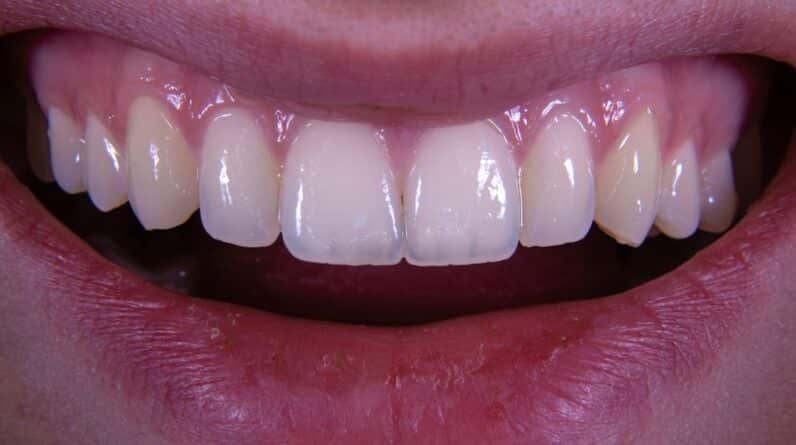
The Impact of Smoking on Dental Health
Smoking affects more than just respiratory and cardiovascular health; it significantly damages dental health as well. Cigarette tar and nicotine cause substantial tooth discoloration, creating yellow or brown stains that are resistant to regular cleaning methods. These visible stains can negatively impact appearance and potentially reduce self-confidence during social interactions.
Tooth discoloration from smoking often indicates more serious oral health concerns. Tobacco chemicals contribute to gum disease, accelerated tooth decay, and increased risk of tooth loss. The longer smoking continues, the greater these risks become.
Dental staining serves as a visible indicator of potential underlying oral health deterioration that requires attention. Recognizing both the cosmetic and health implications of smoking-related tooth discoloration is essential for developing effective oral care strategies and maintaining dental health.
Key Takeaways
- Smoking stains significantly discolor teeth and impact oral health.
- Professional whitening treatments offer effective and safe stain removal.
- San Antonio provides a variety of specialized whitening options.
- Maintaining results requires proper aftercare and lifestyle adjustments.
- Selecting a trusted provider ensures optimal treatment outcomes.
The Importance of Professional Whitening Treatments
While there are numerous over-the-counter whitening products available, they often fall short when it comes to effectively removing stubborn smoking stains. Professional whitening treatments offer a level of expertise and potency that you simply cannot achieve at home. These treatments are designed to penetrate deeper into the enamel, targeting the stains that have settled in over time.
By opting for professional whitening, you are investing in a solution that not only brightens your smile but also enhances your overall oral health. Additionally, professional whitening treatments are tailored to meet your specific needs. A dental professional can assess the extent of your staining and recommend the most effective treatment plan for you.
This personalized approach ensures that you receive optimal results while minimizing any potential side effects. You deserve a smile that reflects your true self, and professional whitening treatments can help you achieve that goal.
The Benefits of Seeking Whitening Treatments in San Antonio

San Antonio is home to a variety of dental professionals who specialize in cosmetic dentistry, including teeth whitening. By seeking treatment in this vibrant city, you gain access to experienced practitioners who understand the unique challenges posed by smoking stains. The local dental community is well-versed in the latest techniques and technologies, ensuring that you receive high-quality care tailored to your needs.
Moreover, San Antonio offers a welcoming environment for those seeking dental treatments. Many clinics prioritize patient comfort and satisfaction, providing a relaxing atmosphere where you can feel at ease during your appointment. The combination of skilled professionals and a supportive environment makes San Antonio an ideal location for addressing your whitening needs.
You can take pride in knowing that you are receiving top-notch care while working towards a brighter smile.
Common Whitening Treatments Available in San Antonio
In San Antonio, you will find a range of whitening treatments designed to cater to different preferences and needs. One popular option is in-office whitening, where a dental professional applies a powerful bleaching agent directly to your teeth. This method typically yields immediate results, making it an excellent choice for those looking for a quick transformation before a special event or occasion.
Another option is take-home whitening kits provided by your dentist. These kits include custom-fitted trays and professional-grade whitening gel, allowing you to whiten your teeth at your convenience. This method is particularly beneficial for individuals who prefer a more gradual approach or who may have sensitive teeth.
Regardless of which treatment you choose, consulting with a dental professional will help you determine the best option for achieving the results you desire.
The Process of Professional Whitening Treatments
| Treatment Type | Average Duration | Effectiveness (%) | Number of Sessions | Average Cost | San Antonio Clinics Offering |
|---|---|---|---|---|---|
| In-Office Whitening | 1 hour | 85 | 1-2 | 300-600 | 15 |
| At-Home Whitening Kits | 2 weeks | 60 | Daily use | 100-250 | 10 |
| Laser Whitening | 30-45 minutes | 90 | 1 | 400-700 | 8 |
| Whitening Toothpaste | Ongoing | 30 | Daily use | 10-30 | Available at most pharmacies |
| Professional Dental Cleaning | 30 minutes | 50 | Every 6 months | 75-150 | 20+ |
The process of professional whitening treatments typically begins with an initial consultation. During this appointment, your dentist will evaluate the condition of your teeth and discuss your goals for whitening. They may take photographs or impressions to create a customized treatment plan tailored specifically for you.
This step is crucial in ensuring that you achieve the best possible results while addressing any concerns you may have. Once your treatment plan is established, the actual whitening process can begin. For in-office treatments, your dentist will apply a protective barrier to your gums before applying the bleaching agent to your teeth.
A special light may be used to enhance the effectiveness of the treatment, allowing the gel to penetrate deeper into the enamel. The entire process usually takes about an hour, and many patients leave the office with noticeably whiter teeth. If you opt for take-home kits, your dentist will provide detailed instructions on how to use them effectively, ensuring that you achieve optimal results at home.
How Smoking Stains Can Affect Overall Oral Health

The impact of smoking stains extends beyond mere aesthetics; they can also have serious implications for your overall oral health. The chemicals found in tobacco products can lead to gum disease by causing inflammation and infection in the gums. As plaque builds up on stained teeth, it can harden into tartar, further exacerbating gum issues and increasing the risk of tooth decay.
Additionally, smoking can impair your body’s ability to heal itself, making it more challenging for your gums to recover from any damage caused by bacteria or plaque buildup. This means that if you are experiencing gum disease or other oral health issues related to smoking stains, it may take longer for you to see improvement even after undergoing whitening treatments. Addressing both the cosmetic and health aspects of smoking stains is essential for maintaining a healthy mouth and preventing further complications down the line.
Finding the Right Whitening Treatment for Your Needs
Choosing the right whitening treatment involves considering several factors unique to your situation. First and foremost, think about the severity of your smoking stains and how quickly you want results. If you have significant discoloration and need immediate improvement, an in-office treatment may be the best option for you.
On the other hand, if you prefer a more gradual approach or have sensitive teeth, take-home kits might be more suitable. It’s also important to consider any underlying oral health issues before proceeding with whitening treatments. If you have cavities or gum disease, addressing these concerns should take precedence over cosmetic treatments.
Consulting with a dental professional will help you navigate these considerations and ensure that you select a treatment plan that aligns with both your aesthetic goals and oral health needs.
Long-term Effects of Smoking on Teeth and Gums
The long-term effects of smoking on your teeth and gums can be profound and far-reaching. Over time, continued exposure to tobacco products can lead to chronic gum disease, which may result in tooth loss if left untreated. Additionally, smoking weakens your immune system, making it harder for your body to fight off infections in the mouth.
Furthermore, long-term smokers often experience dry mouth due to reduced saliva production, which can increase the risk of cavities and bad breath. The combination of these factors creates a cycle that not only affects your smile but also poses significant risks to your overall oral health. Understanding these long-term effects emphasizes the importance of seeking professional help for both whitening treatments and smoking cessation efforts.
Combating the Effects of Smoking Stains with Professional Treatments
Combating the effects of smoking stains requires a multifaceted approach that includes both professional whitening treatments and lifestyle changes. While professional treatments can effectively remove surface stains and improve the appearance of your teeth, addressing the root cause—smoking—is equally important for long-term success. Incorporating regular dental check-ups into your routine will help monitor any changes in your oral health as you undergo whitening treatments.
Your dentist can provide guidance on maintaining good oral hygiene practices and suggest additional treatments if necessary. By taking proactive steps toward both cosmetic improvement and overall health, you can achieve lasting results that enhance both your smile and well-being.
Maintaining Whitened Teeth After Treatment
Once you’ve achieved a brighter smile through professional whitening treatments, maintaining those results is essential for long-term satisfaction. One key aspect of maintaining whitened teeth is practicing good oral hygiene habits at home. Brushing twice daily with fluoride toothpaste and flossing regularly will help prevent new stains from forming while keeping your gums healthy.
Additionally, consider making dietary changes that support your efforts to maintain whiteness. Limiting consumption of staining foods and beverages—such as coffee, tea, red wine, and dark berries—can help preserve your results. If you do indulge in these items occasionally, rinsing your mouth with water afterward can minimize their impact on your teeth.
Choosing a Trusted Provider for Whitening Treatments in San Antonio
Selecting a trusted provider for whitening treatments in San Antonio is crucial for ensuring that you receive high-quality care tailored to your needs. Start by researching local dental practices that specialize in cosmetic dentistry and have positive reviews from previous patients. Look for providers who prioritize patient comfort and offer personalized treatment plans based on individual assessments.
Don’t hesitate to schedule consultations with multiple providers before making a decision; this will give you an opportunity to ask questions about their experience with whitening treatments and discuss any concerns you may have regarding the process. By taking the time to choose a reputable provider, you can feel confident that you’re making an informed decision that will lead to a brighter smile and improved oral health overall. In conclusion, understanding the impact of smoking stains on teeth is essential for taking proactive steps toward achieving a healthier smile.
Professional whitening treatments offer effective solutions tailored to individual needs while addressing underlying oral health concerns associated with smoking. By seeking treatment in San Antonio from trusted providers, you can combat the effects of smoking stains while maintaining long-term oral health through proper care and lifestyle choices.
If you’re considering smoking stains whitening treatments in San Antonio, you might find it helpful to explore the financial aspects of cosmetic dentistry. Understanding the costs associated with these treatments can help you make an informed decision. For more information on the potential earnings of cosmetic dentists, check out this article on cosmetic dentist salaries.
FAQs
What causes smoking stains on teeth?
Smoking stains on teeth are primarily caused by the tar and nicotine in tobacco products. These substances penetrate the enamel and cause yellow or brown discoloration over time.
Are smoking stains different from other types of teeth stains?
Yes, smoking stains tend to be more stubborn and deeply embedded in the enamel compared to stains caused by food or drink, making them harder to remove with regular brushing.
What whitening treatments are available in San Antonio for smoking stains?
San Antonio offers various whitening treatments for smoking stains, including professional dental cleanings, in-office bleaching, take-home whitening kits prescribed by dentists, and laser whitening procedures.
Is professional whitening more effective than over-the-counter products for smoking stains?
Professional whitening treatments are generally more effective for smoking stains because they use stronger bleaching agents and specialized techniques that can better penetrate and remove deep stains.
How long do whitening treatments for smoking stains last?
The longevity of whitening results varies depending on individual habits, but typically, results can last from six months to two years. Continued smoking can cause stains to reappear more quickly.
Are there any risks or side effects associated with whitening treatments?
Some people may experience tooth sensitivity or gum irritation after whitening treatments. It is important to consult with a dental professional to choose the safest and most appropriate treatment.
Can quitting smoking help improve the effectiveness of whitening treatments?
Yes, quitting smoking not only prevents new stains from forming but also helps maintain the results of whitening treatments for a longer period.
How often should someone with smoking stains get whitening treatments?
The frequency depends on the severity of the stains and individual dental health, but many dentists recommend professional whitening every 6 to 12 months for smokers.
Are there any preventive measures to avoid smoking stains on teeth?
Preventive measures include quitting smoking, maintaining good oral hygiene, regular dental cleanings, and using whitening toothpaste or rinses designed to reduce surface stains.
Can whitening treatments damage teeth?
When performed under professional supervision, whitening treatments are generally safe and do not damage teeth. Overuse or improper use of whitening products, however, can lead to enamel erosion or increased sensitivity.