
Teeth whitening is a popular cosmetic dental procedure that enhances smile brightness by using agents like hydrogen peroxide or carbamide peroxide, which penetrate enamel to break down stains. Teeth discoloration occurs naturally over time due to aging, diet, and lifestyle habits. Understanding the scientific principles behind whitening treatments can help individuals make informed dental care decisions.
It’s important to note that teeth whitening methods vary significantly in effectiveness and safety. Options include over-the-counter products, professional dental treatments, and home remedies. When selecting a whitening approach, individuals should consider their specific smile goals, whether for special occasions or general confidence improvement.
Knowledge of teeth whitening fundamentals is essential for choosing the most appropriate method for one’s particular needs.
Key Takeaways
- Teeth whitening frequency depends on individual dental health and lifestyle factors.
- Professional guidance from a San Antonio dentist ensures safe and effective whitening.
- Various whitening options affect how often treatments should be done.
- Maintaining good oral hygiene and diet helps prolong whitening results.
- Regular consultations help create a personalized and balanced whitening schedule.
Factors to Consider When Deciding How Often to Whiten Your Teeth
Determining how often to whiten your teeth is not a one-size-fits-all decision. Several factors come into play that can influence your whitening schedule. First and foremost, consider the current state of your dental health.
If you have existing dental issues such as cavities or gum disease, it’s crucial to address these concerns before undergoing any whitening treatment. Your oral health should always take precedence over cosmetic enhancements. Another important factor is your lifestyle and dietary habits.
If you frequently consume staining foods and beverages like coffee, red wine, or berries, you may find that your teeth require more frequent touch-ups. On the other hand, if you maintain a balanced diet and practice good oral hygiene, you might be able to extend the time between whitening sessions. Additionally, your personal preferences and goals will play a significant role in how often you choose to whiten your teeth.
The Importance of Professional Guidance from a San Antonio Dentist
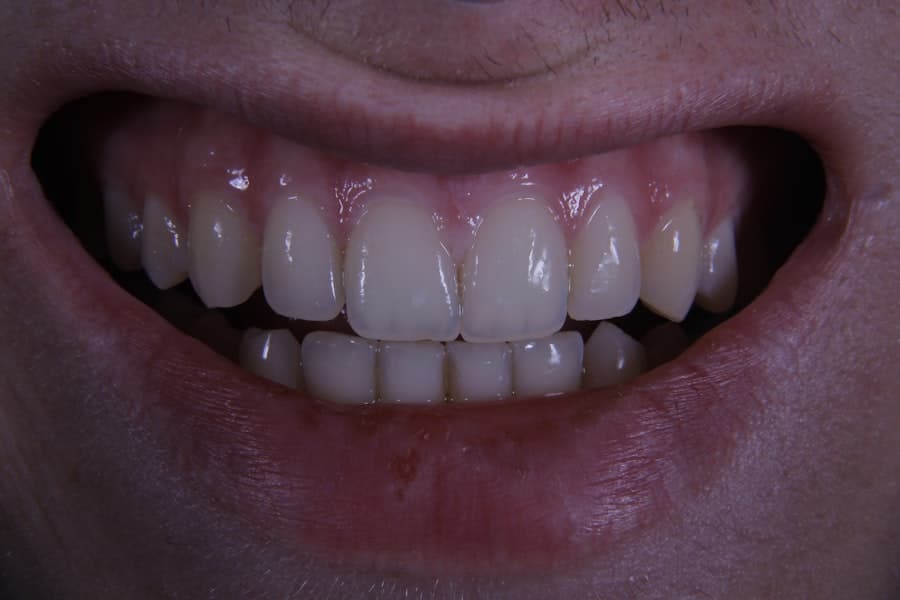
Seeking professional guidance from a San Antonio dentist is invaluable when considering teeth whitening. Dentists possess the expertise to evaluate your dental health comprehensively and recommend the most suitable whitening options for you. They can assess the condition of your enamel and gums, ensuring that any treatment you undergo is safe and effective.
This personalized approach can help you avoid potential pitfalls associated with over-the-counter products that may not be appropriate for your specific needs. Moreover, a dentist can provide insights into the expected results based on your unique dental characteristics. They can help set realistic expectations regarding how many shades whiter your teeth can become and how long those results may last.
By consulting with a professional, you can create a tailored whitening plan that aligns with your goals while prioritizing your oral health.
How Often Should You Whiten Your Teeth Based on Your Dental Health
Your dental health plays a crucial role in determining how often you should whiten your teeth. If you have healthy teeth and gums, you may be able to whiten more frequently than someone with underlying dental issues. Generally, dentists recommend that individuals with good oral health can safely whiten their teeth every six months to a year.
However, if you have sensitive teeth or gum problems, it may be advisable to space out your whitening sessions further. Additionally, if you’ve recently undergone a professional whitening treatment, it’s essential to allow your teeth some time to recover before initiating another session. Over-whitening can lead to enamel erosion and increased sensitivity, which can be uncomfortable and detrimental to your overall dental health.
Therefore, it’s vital to listen to your body and consult with your dentist about the best timeline for maintaining a bright smile without compromising your dental integrity.
Different Teeth Whitening Options and Their Impact on Frequency
| Whitening Method | Recommended Frequency | Duration per Session | Notes |
|---|---|---|---|
| Professional In-Office Whitening | Every 6 to 12 months | 30 to 60 minutes | Provides immediate results; best for deep stains |
| At-Home Whitening Kits (Dentist Provided) | Once every 3 to 6 months | 30 minutes daily for 1-2 weeks | Custom trays ensure even whitening; follow dentist instructions |
| Over-the-Counter Whitening Strips | Every 4 to 6 months | 30 minutes daily for 7-14 days | Less potent than professional options; avoid overuse |
| Whitening Toothpaste | Daily use | Use as part of regular brushing | Helps maintain whiteness; not effective for deep stains |
| Whitening Mouthwash | Daily use | Use as directed, usually 1-2 minutes | Supports whitening maintenance; limited whitening power |
The variety of teeth whitening options available today can significantly impact how often you should whiten your teeth. Professional treatments offered by dentists typically yield faster and more dramatic results compared to over-the-counter products. In-office procedures often involve higher concentrations of whitening agents and are performed under controlled conditions, allowing for optimal safety and effectiveness.
If you choose this route, you may find that you only need to whiten once or twice a year. On the other hand, at-home whitening kits and strips may require more frequent applications to achieve similar results. These products often contain lower concentrations of active ingredients, meaning it may take longer to see noticeable changes in tooth color.
If you opt for these methods, be prepared for a more extended commitment to maintaining your desired shade. Ultimately, understanding the differences between these options will help you determine how often you should engage in whitening treatments.
Tips for Maintaining a Bright Smile Between Whitening Sessions
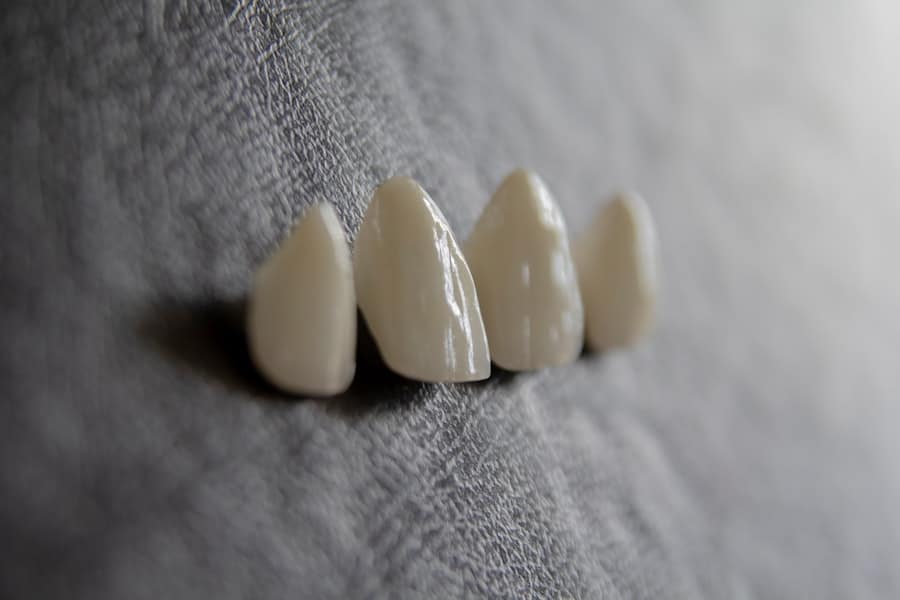
Maintaining a bright smile between whitening sessions is essential for prolonging the effects of your treatment. One of the most effective ways to do this is by practicing excellent oral hygiene. Brushing twice a day with fluoride toothpaste and flossing daily will help remove surface stains and prevent plaque buildup that can dull your smile over time.
Additionally, consider using a whitening toothpaste designed to enhance brightness while protecting enamel. Your dietary choices also play a significant role in maintaining tooth color. Limiting the consumption of staining foods and beverages can help keep your smile looking its best.
If you do indulge in items like coffee or red wine, rinsing your mouth with water afterward can minimize their impact on tooth discoloration. Furthermore, regular dental cleanings with your San Antonio dentist will help remove stubborn stains and keep your smile radiant between whitening treatments.
Common Misconceptions About Teeth Whitening Frequency
There are several misconceptions surrounding the frequency of teeth whitening that can lead to confusion and potentially harmful practices. One common myth is that more frequent whitening will yield better results; however, this is not necessarily true. Over-whitening can lead to enamel damage and increased sensitivity, which may ultimately detract from the aesthetic benefits you’re seeking.
It’s essential to strike a balance between achieving a bright smile and maintaining healthy teeth. Another misconception is that all whitening products are equally effective regardless of their source. While some over-the-counter products can provide satisfactory results, they often lack the potency and safety measures found in professional treatments.
Relying solely on these products without consulting a dentist may lead to disappointment or even harm to your dental health. Understanding these misconceptions will help you make informed decisions about how often to whiten your teeth.
Signs that Indicate It’s Time to Whiten Your Teeth Again
Recognizing when it’s time to whiten your teeth again is crucial for maintaining a bright smile. One clear sign is the return of noticeable stains or discoloration that detracts from your overall appearance. If you find yourself feeling self-conscious about the color of your teeth or avoiding smiling in photos due to their dullness, it may be time for another whitening session.
Additionally, if you’ve recently consumed foods or beverages known for staining teeth—such as coffee, tea, or dark sauces—you might notice an immediate change in brightness. Pay attention to how your teeth respond after indulging in these items; if they seem less vibrant than before, it could be an indication that it’s time for a touch-up treatment.
Balancing Results with Oral Health: Finding the Right Whitening Schedule
Finding the right balance between achieving desired results and maintaining oral health is essential when it comes to teeth whitening frequency. While it’s tempting to want a dazzling smile at all times, prioritizing the health of your teeth should always come first. Over-whitening can lead to sensitivity and damage to enamel, which can have long-term consequences for your dental well-being.
To strike this balance effectively, consider working closely with your San Antonio dentist to develop a personalized whitening schedule that aligns with both your aesthetic goals and oral health needs. Regular check-ups will allow for ongoing assessments of your dental condition and adjustments to your whitening plan as necessary.
The Role of Diet and Lifestyle Choices in Teeth Whitening Frequency
Your diet and lifestyle choices significantly influence how often you should whiten your teeth. Foods high in acidity or sugar can contribute to enamel erosion and staining over time. If you frequently consume such items without proper oral care afterward, you may find yourself needing more frequent whitening sessions than someone who maintains a balanced diet rich in fruits and vegetables.
Additionally, habits like smoking or using tobacco products can lead to rapid discoloration of teeth. If you’re committed to maintaining a bright smile, consider making healthier lifestyle choices that support both your overall well-being and the longevity of your whitening results.
Consulting with Your San Antonio Dentist for a Personalized Whitening Plan
Ultimately, consulting with your San Antonio dentist is the best way to create a personalized teeth whitening plan tailored specifically for you. They can assess your unique dental health needs and recommend appropriate treatments based on factors such as sensitivity levels and existing dental conditions. This professional guidance ensures that you achieve optimal results while safeguarding your oral health.
By working together with your dentist, you can establish a realistic timeline for whitening sessions that aligns with both aesthetic goals and health considerations. This collaborative approach will empower you to maintain a bright smile confidently while prioritizing the long-term health of your teeth and gums.
If you’re considering teeth whitening and want to know how often you should do it, you might find the article on