
Have you ever looked in the mirror and wished you could change something about your smile? You are not alone; in fact, many people yearn for a more beautiful grin. One solution that’s become increasingly popular in cosmetic dentistry is dental veneers. They can truly transform your smile and boost your confidence. So, what exactly are dental veneers, and why might they be the perfect choice for you?

What Are Dental Veneers?
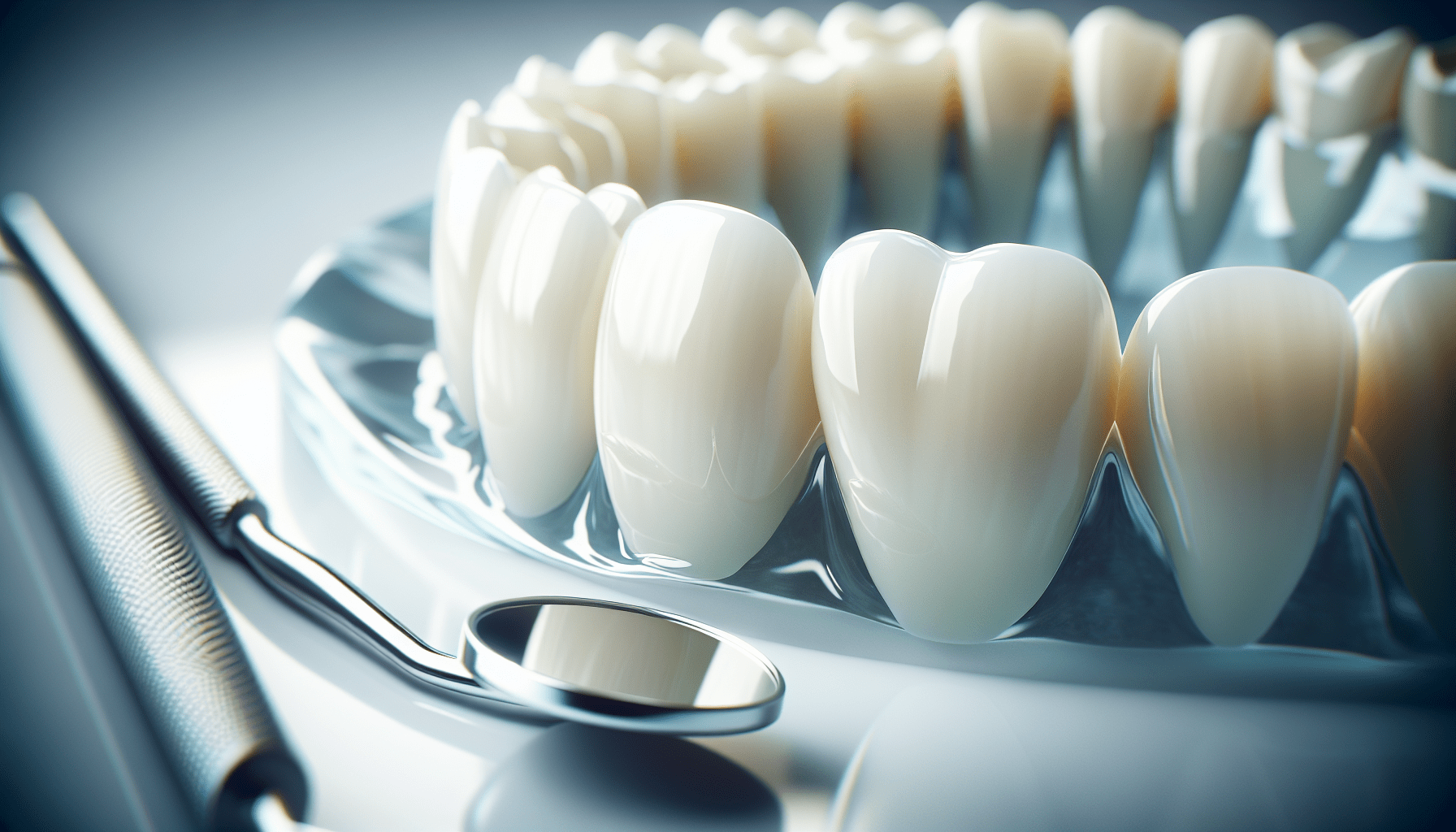
Dental veneers are thin, custom-made shells designed to cover the front surface of your teeth. They are typically made from porcelain or composite resin, tailored to match your natural tooth color. Veneers serve both aesthetic and functional purposes, making them an appealing option for those seeking to enhance their smile.
Veneers can correct various cosmetic issues, including discoloration, chips, gaps, and misshapen teeth. They provide a quick way to attain the smile you have always desired. Many individuals opt for veneers because they are a less invasive procedure compared to dental crowns or orthodontic treatments.
How Do Dental Veneers Work?
The process of getting dental veneers usually involves several steps, ensuring that the final result is as natural and appealing as possible. Here’s a quick breakdown:
Initial Consultation
During your initial appointment, a dentist will evaluate your overall dental health and discuss your goals. This is your chance to express any concerns you might have and clarify what changes you envision for your smile.
Preparing Your Teeth
To prepare your teeth for the veneers, the dentist will typically reduce the enamel on the front surface of the teeth to allow the veneers to fit seamlessly. This process usually requires removing about half a millimeter of enamel, which is roughly the thickness of the veneer.
Impressions
After preparing your teeth, your dentist will take impressions of your mouth. These impressions are sent to a dental lab where your custom veneers will be made. You may receive temporary veneers to wear while you wait for your permanent ones.
Fitting and Bonding
Once your veneers are ready, you’ll return to the dentist for fitting. The dentist will check the color and shape of the veneers, making adjustments if necessary. Once perfect, they will be bonded to your teeth using a special adhesive, which ensures they stay in place.

Benefits of Dental Veneers
You might be wondering about the actual advantages of choosing dental veneers. Here are some compelling reasons to consider them:
1. Immediate Transformation
Within a short time, veneers can drastically enhance the appearance of your smile. If you’re looking for a quick solution to improve your smile, veneers can offer impressive results.
2. Stain Resistance
Porcelain veneers are resistant to coffee, tea, and other staining substances, helping you maintain a whiter smile over time. This is particularly beneficial for individuals who struggle with tooth discoloration.
3. Durability
Dental veneers can last anywhere from 7 to 15 years or even longer with proper care. Compared to other cosmetic dental treatments, veneers can be a long-lasting investment in your smile.
4. Customization
One of the most appealing aspects of veneers is their customizable nature. You can discuss your preferences with your dentist, from size to shape and color, ensuring your smile aligns with your ideal look.
5. Minimal Tooth Alteration
Veneers require only minimal alteration to your natural teeth, unlike crowns that may require a more extensive reduction of tooth structure. This makes them a less invasive option for many.
6. Improved Self-Confidence
Having a smile you love can significantly boost your self-esteem. With veneers, you can feel confident in your appearance and share your smile freely.
Are There Any Downsides?
While dental veneers have numerous benefits, it’s also important to be aware of potential downsides. Taking a balanced view will help you make an informed decision.
1. Irreversible Process
Since veneers require enamel removal, the process is irreversible. You’ll need to commit to having veneers for the long term or seek other solutions if you ever choose to remove them.
2. Cost Considerations
Veneers can be pricier than other cosmetic solutions. While the investment pays off in the long run, it’s still essential to consider your budget and whether insurance will help cover the costs.
3. Sensitivity Issues
Some individuals may experience increased tooth sensitivity after getting veneers. This is often temporary, but it’s crucial to discuss any concerns with your dentist.
4. Potential for Chipping
Though durable, veneers can chip or crack under excessive pressure. Avoid habits like grinding your teeth or using your teeth to open packages to maintain their integrity.
5. Regular Dental Visits Required
Maintaining veneers involves regular dental check-ups to ensure they remain in good health, just like natural teeth. Neglecting dental care may lead to complications or the need for replacements sooner than expected.

Who Are the Ideal Candidates?
If you’re considering veneers, you might wonder whether you are the right candidate. Here are some factors that can determine your suitability:
1. Good Oral Health
Candidates should have healthy gums and teeth. If you suffer from gum disease or extensive tooth decay, these issues must be addressed before considering veneers.
2. Cosmetic Concerns
If you’re unhappy with the appearance of your smile due to discoloration, chips, or misalignment, veneers could be the answer. They are particularly effective for cosmetic concerns.
3. Commitment to Oral Hygiene
Having veneers requires ongoing oral care. Candidates should be committed to maintaining their dental hygiene and attending regular check-ups.
How to Care for Your Veneers
Once you’ve invested in dental veneers, you’ll want to make sure they last as long as possible. Here are a few tips for proper care:
1. Maintain Good Oral Hygiene
Brush and floss regularly to keep your gums and teeth healthy. Use a non-abrasive toothpaste to avoid damaging the veneer surface.
2. Avoid Staining Foods and Beverages
To maintain your veneer’s brightness, be cautious with highly pigmented foods and drinks that could cause stains, even though veneers are stain-resistant.
3. Don’t Use Your Teeth as Tools
Avoid habits such as biting your nails or using your teeth to open packages. This can risk chipping or cracking your veneers.
4. Schedule Regular Dental Visits
Your dentist will be able to monitor the condition of your veneers and check for any potential issues early on. Regular check-ups allow for timely care and adjustments if necessary.
5. Be Mindful of Grinding
If you grind your teeth or have a condition known as bruxism, speak to your dentist about solutions, such as a mouthguard, to protect your veneers.
The Cost of Dental Veneers
Understanding the financial aspect of getting veneers is crucial. Although costs can vary widely, here is a basic overview to help you gauge the investment:
Factors Affecting Cost:
| Factor | Description |
|---|---|
| Location | Costs can vary by geographic region. Urban areas may have higher prices. |
| Materials Used | Porcelain veneers typically cost more than composite resin options. |
| Number of Teeth Treated | The more veneers you need, the higher the total cost will be. |
| Dentist’s Experience | Highly skilled and experienced dentists may charge more for their services. |
| Additional Procedures Needed | If you have dental issues that need to be addressed first, these costs will add up. |
While veneers can be a significant investment, many find the boost in confidence and enhancement in appearance worth it.
Finding the Right Dentist
Choosing the right dentist is essential when considering dental veneers. Here are some tips to help you make the right choice:
1. Research Credentials
Ensure your dentist is qualified and experienced in cosmetic dentistry. Look for certifications and continuing education relevant to veneers.
2. Check Reviews
Patient reviews can provide insight into the dentist’s skill, demeanor, and overall experience. Look for testimonials specifically related to their work on veneers.
3. Schedule a Consultation
Take the opportunity to meet the dentist and discuss your goals. A trusted dentist will guide you through the process and alleviate any concerns you may have.
4. Ask About Technology
Modern technology can improve results. Ask if the dentist uses digital imaging or computer-aided design for creating veneers.
5. Evaluate Comfort and Communication
Your comfort is paramount. Choose a dentist who listens to your concerns and communicates effectively throughout the process.
Real Stories: Transformative Experiences
Hearing from others who have experienced the positive impacts of dental veneers can offer you valuable insight. Here are two testimonials from individuals who underwent the procedure:
Sarah’s Journey
Sarah, a 32-year-old teacher, always felt self-conscious about her uneven teeth. After receiving veneers, she says, “The transformation has been unbelievable. I can smile with confidence again! The process was so smooth, and my dentist was incredibly supportive.”
David’s Transformation
David, a marketing executive in his 40s, struggled with staining from years of coffee consumption. He shares, “I never realized how much my smile held me back professionally and personally. Getting veneers was life-changing. I feel like a weight has been lifted off my shoulders, and I’m ready to face the world.”
Frequently Asked Questions
It’s natural to have questions as you consider dental veneers. Here are some common inquiries, along with their answers:
1. How long do dental veneers last?
With proper care, porcelain veneers can last 10-15 years, while composite veneers may last 5-7 years. Regular dental visits help ensure they stay in great shape.
2. Will getting veneers hurt?
The procedure itself is usually not painful, as anesthetics are often used. Some individuals may experience sensitivity afterward, but this typically subsides.
3. Can veneers be removed?
While veneers can be removed, the process is irreversible. Enamel is sacrificed during placement, so consider this carefully before proceeding.
4. Are there alternatives to dental veneers?
Yes, alternatives include teeth whitening, bonding, and orthodontic treatments. Speak with your dentist to assess which option might be best for you.
5. Can I eat normally with veneers?
Once your veneers are bonded, you can eat normally. Just take care to avoid hard or sticky foods that might damage them.
Conclusion
Considering dental veneers could be a pivotal decision on your journey toward achieving the smile you’ve always wanted. They hold the promise of transformation, self-confidence, and a renewed love for your smile. It’s essential, however, to weigh both the benefits and considerations adequately. Discuss your options thoroughly with your dentist, ensuring you understand the procedure and any financial implications.
Investing in your smile can open up new opportunities and relationships. When you smile with confidence, you not only reflect happiness but invite joy into your life and the lives of those around you. Embrace the change and remember: beautiful smiles are always worth it.


