
Imagine having a beautiful smile that lights up any room you enter. That’s the power of veneer teeth. In this article, you’ll discover the incredible meaning behind veneer teeth and how they can transform your smile into a work of art. Whether looking to fix chipped teeth, close gaps, or achieve a perfectly aligned set of pearly whites, veneer teeth offer a simple and effective solution. Get ready to unlock the secret to a radiant smile that will leave a lasting impression on everyone you meet.
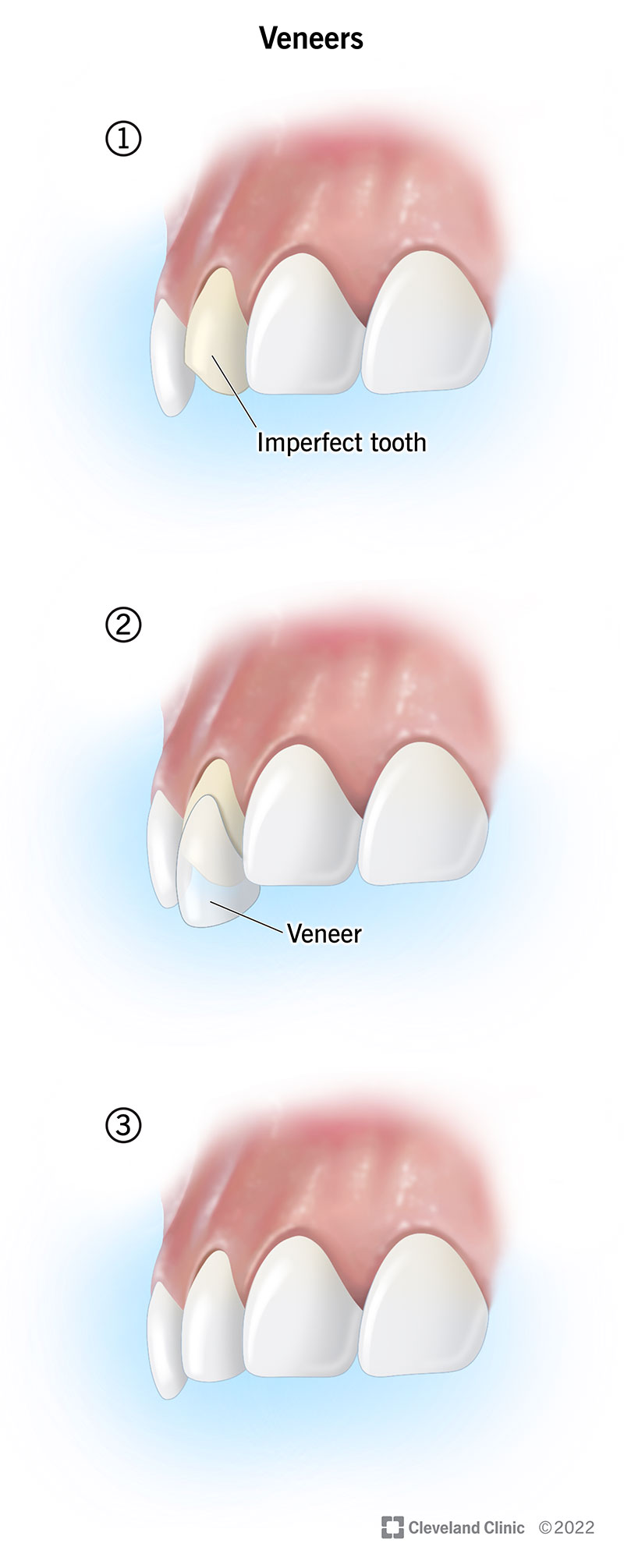
What are veneer teeth?
Veneers teeth, also known as dental veneers or porcelain veneers, are thin shells made of ceramic or composite resin that are custom-made to fit over the front surface of your teeth. They are designed to improve the appearance of teeth by correcting various cosmetic concerns such as discoloration, chips, gaps, and misalignment. Veneers can give you a natural and attractive smile while enhancing dental health.
Types of Veneers
Composite Veneers
Composite veneers are made of tooth-colored resin material applied directly to the teeth. The dentist shapes and molds them to create the desired appearance. Composite veneers are generally less expensive than porcelain veneers and can be completed in one visit. However, they are less durable than porcelain veneers and may require more maintenance and eventual replacement.
Porcelain Veneers
Porcelain veneers are thin, custom-made shells fabricated in a dental laboratory. They are carefully bonded to the teeth using a strong adhesive. Porcelain veneers provide excellent aesthetic results and are highly resistant to staining. They are also more durable and longer-lasting than composite veneers. However, the process of getting porcelain veneers typically requires multiple visits to the dentist and is more expensive than composite veneers.
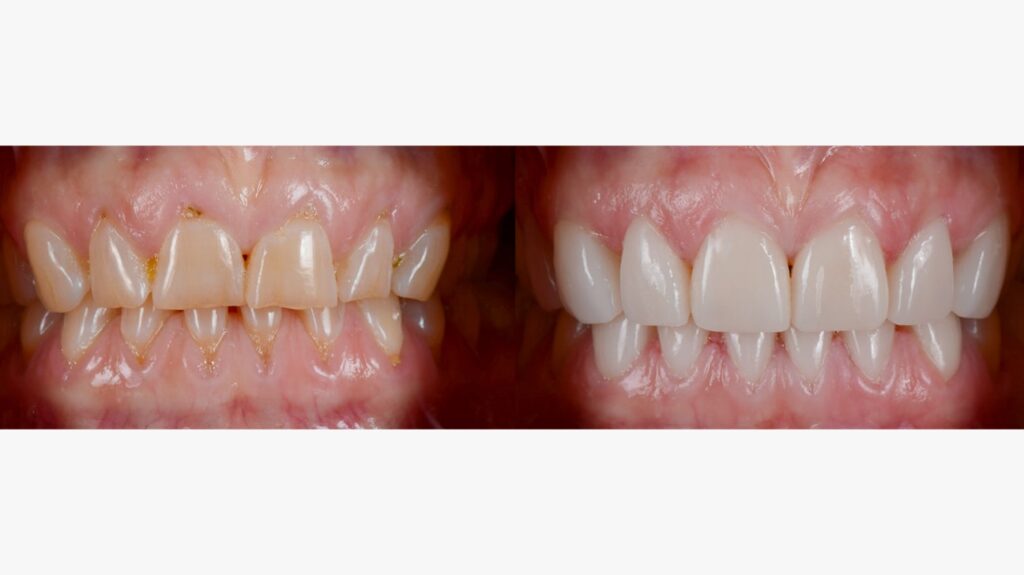
Process of Getting Veneers
Consultation and Examination
The first step in getting veneers is to schedule a consultation with a qualified dentist. The dentist will examine your teeth during this initial appointment and discuss your veneer goals and expectations. They will also determine if you are a suitable candidate for the procedure.
Impressions and Temporary Veneers
If you decide to proceed with veneers, the dentist will take impressions of your teeth to create custom-made veneers that perfectly fit your smile. While your permanent veneers are being fabricated, temporary veneers may be placed to protect your teeth and give you an idea of the final result.
Preparing the Teeth
Before the permanent veneers can be bonded to your teeth, a small amount of enamel may need to be gently removed from the front surface of your teeth. This helps create space for the veneers and ensures a proper fit. During this step, local anesthesia may numb the area to minimize discomfort.
Bonding the Veneers
Once your teeth are prepared, the dentist will carefully bond the veneers to your teeth using a unique dental adhesive. They will make necessary adjustments and ensure the veneers fit perfectly in color, shape, and alignment. Finally, the veneers will be polished to give them a natural and seamless appearance.
Advantages of Veneers
Enhanced Appearance
One of the primary advantages of veneers is that they instantly improve the appearance of your teeth. Whether you have stained or discolored teeth, chipped or worn edges, gaps, or misalignment, veneers can help correct these cosmetic concerns and give you a beautiful, uniform, and natural-looking smile.
Stain Resistance
Unlike natural teeth, veneers are highly resistant to stains caused by common foods and beverages such as coffee, tea, and wine. The smooth and non-porous surface of porcelain veneers makes it difficult for stains to penetrate, ensuring your smile stays bright and vibrant for years.
Long-Lasting
With proper care and maintenance, veneers can last for many years. Porcelain veneers are exceptionally durable and can withstand regular chewing forces without chipping or cracking. You can extend their lifespan by practicing good oral hygiene and avoiding habits damaging your veneers, such as biting on complex objects or using your teeth as tools.
Minimally Invasive
Compared to other cosmetic dental procedures, getting veneers is relatively minimally invasive. Only a thin layer of enamel must be removed from the teeth, preserving most of your natural tooth structure. This makes veneers a conservative and reversible option for improving your smile.
Versatile
Veneers are versatile and can address a wide range of cosmetic concerns. Whether you have minor discoloration, small chips, gaps, or crooked teeth, veneers can be customized to meet your unique needs. They can also improve the shape and size of your teeth, creating a more harmonious and balanced smile.

Disadvantages of Veneers
Cost
One of the main drawbacks of veneers is the cost. The price of veneers can vary depending on several factors, such as the material used, the case’s complexity, and the dental practice’s location. Porcelain veneers are generally more expensive than composite veneers. It is essential to consider your budget and consult your dentist to figure out the best option.
Irreversibility
While veneers are not a permanent treatment, preparing the teeth involves removing a small amount of enamel. Once this enamel is removed, it cannot be replaced; therefore, the teeth will always require some form of restoration. Before proceeding with the treatment, it is essential to be fully aware of this irreversible aspect of veneers.
Potential Sensitivity
Some individuals may experience temporary tooth sensitivity after getting veneers. This sensitivity is usually mild and subsides on its own over time. It is recommended to avoid consuming extremely hot or cold foods and beverages during this period. If the sensitivity continues or worsens, it is best to contact your dentist for further evaluation.
Replacement
While veneers are designed to be durable, they are not indestructible. Over time, veneers may become worn, chipped, or dislodged. In such cases, replacement or repair may be necessary. To prolong their lifespan, it is essential to follow your dentist’s recommendations for oral hygiene and avoid habits that can put excessive stress on your veneers.
Caring for Veneers
Good Oral Hygiene
Maintaining good oral hygiene is crucial for the longevity and appearance of your veneers. Brush your teeth at least twice daily with a soft-bristled toothbrush and fluoride toothpaste. Floss daily to remove plaque and debris from between your teeth. Using a non-abrasive mouthwash can also help improve oral hygiene.
Avoid Excessive Force
While veneers are durable, excessive force can still damage them. Avoid biting on complex objects such as ice, pens, or fingernails, as this can cause chips or fractures in the veneers. If you grind or clench your teeth, your dentist may recommend wearing a nightguard to protect your veneers while you sleep.
Regular Dental Visits
Maintaining regular dental visits is essential to monitor the condition of your veneers and overall oral health. Your dentist will perform routine check-ups and professional cleanings and address any concerns you may have. They can also provide specific instructions on caring for your veneers based on your individual needs.
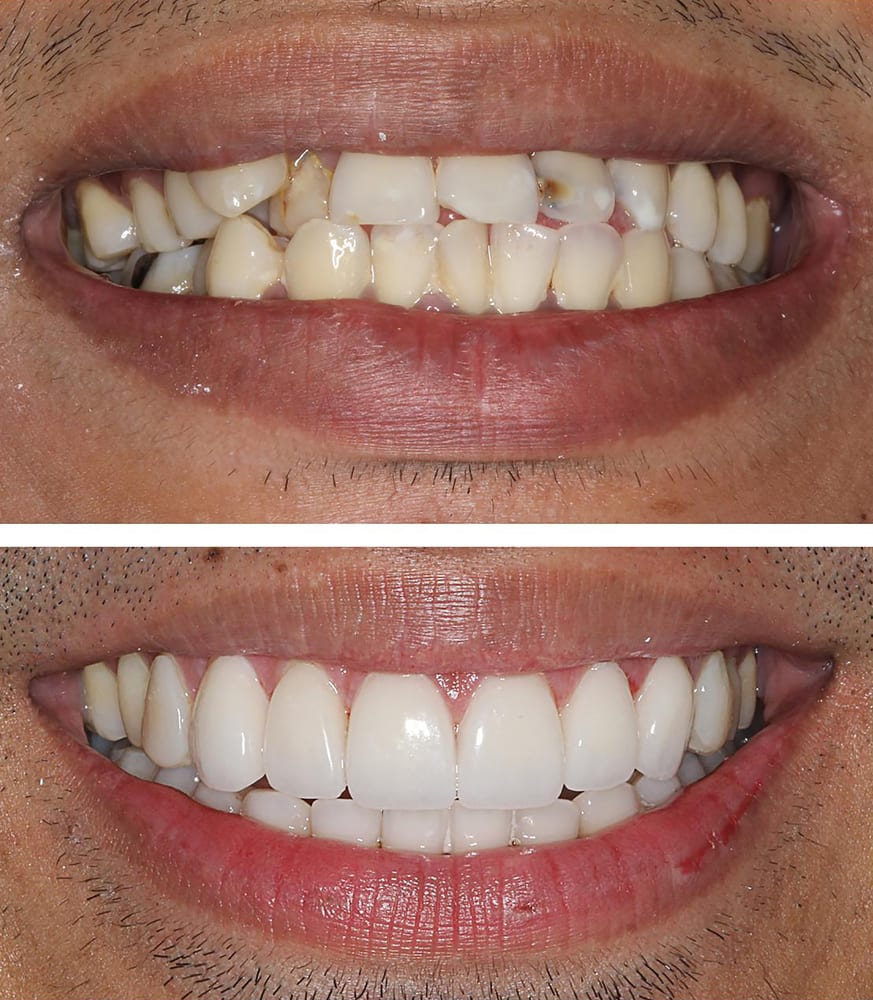
Candidates for Veneers
Healthy Teeth and Gums
To be a candidate for veneers, it is essential to have good oral health. This means having healthy teeth and gums free from significant decay, gum disease, or infections. Any existing dental issues should be addressed and treated before considering veneers.
Minor Cosmetic Concerns
Veneers are most suitable for individuals with minor cosmetic concerns such as stained or discolored teeth, chipped or worn edges, small gaps, or slight misalignment. Your dentist may recommend alternative solutions if you have more severe dental issues or require primary orthodontic treatment.
No Bruxism or Teeth Grinding
Patients who suffer from bruxism (teeth grinding) or clenching may not be suitable candidates for veneers. The excessive forces exerted during grinding or clenching can cause damage to the veneers over time. Your dentist can assess your oral habits and recommend appropriate treatment options.
Alternatives to Veneers
Teeth Whitening
For individuals with mild tooth discoloration, teeth whitening treatments may be a suitable alternative to veneers. Professional teeth whitening can effectively remove stains and brighten your smile. It is a more affordable and less invasive option that does not require any tooth preparation.
Dental Bonding
Dental bonding is another option for correcting minor cosmetic concerns. Dental bonding involves applying a tooth-colored resin material, such as composite veneers, directly to the teeth. The material is shaped and polished to achieve the desired appearance. Dental bonding is a cost-effective and relatively quick procedure.
Orthodontic Treatment
If your primary concern is crooked or misaligned teeth, orthodontic treatment such as braces or clear aligners may be better than veneers. Orthodontic treatment can gradually move your teeth into the correct alignment, resulting in a straight and adequately functioning smile.
Cost of Veneers
Factors Affecting Cost
The cost of veneers can vary depending on several factors. These include the material used (porcelain or composite), the number of teeth being treated, the case’s complexity, the location of the dental practice, and any additional procedures required, such as tooth preparation or gum contouring. It is recommended to consult with your dentist to get an accurate estimate of the cost based on your specific needs.
Average Prices
Porcelain veneers can cost $1,000 to $2,500 per tooth, while composite veneers are generally more affordable, ranging from $250 to $1,500 per tooth. These approximate prices can vary greatly depending on the factors mentioned earlier. Dental insurance may not cover the cost of veneers, as they are considered a cosmetic procedure.
Frequently Asked Questions
How long do veneers last?
With proper care and maintenance, veneers can last 10 to 15 years or even longer. However, this can vary depending on factors such as oral hygiene practices, diet, oral habits, and the quality of the materials. Regular dental visits for check-ups and professional cleanings can help monitor the condition of your veneers and ensure their longevity.
Can veneers be whitened?
Veneers are highly resistant to staining and discoloration but cannot be whitened like natural teeth. If you desire a whiter smile, discussing teeth whitening options with your dentist before getting veneers is recommended. They can help determine the most appropriate treatment plan based on your needs.
Do veneers require special care?
Veneers do not require special care beyond maintaining good oral hygiene practices. Brushing and flossing your teeth regularly and visiting your dentist for routine check-ups and cleanings are essential. Avoiding excessive force on your veneers and refraining from habits that can damage them will help ensure their longevity and aesthetic appearance.
Content 10/10


