
In this article, you will discover everything you need to know about the veneer process. Veneers are a popular cosmetic dentistry procedure used to improve the appearance of your teeth. Whether you want to correct tooth discoloration, chips, or misalignment, veneers can provide a natural-looking, long-lasting solution. From the initial consultation to the final placement, we will guide you through each step of the veneer process, ensuring you have all the information you need to make an informed decision about enhancing your smile.
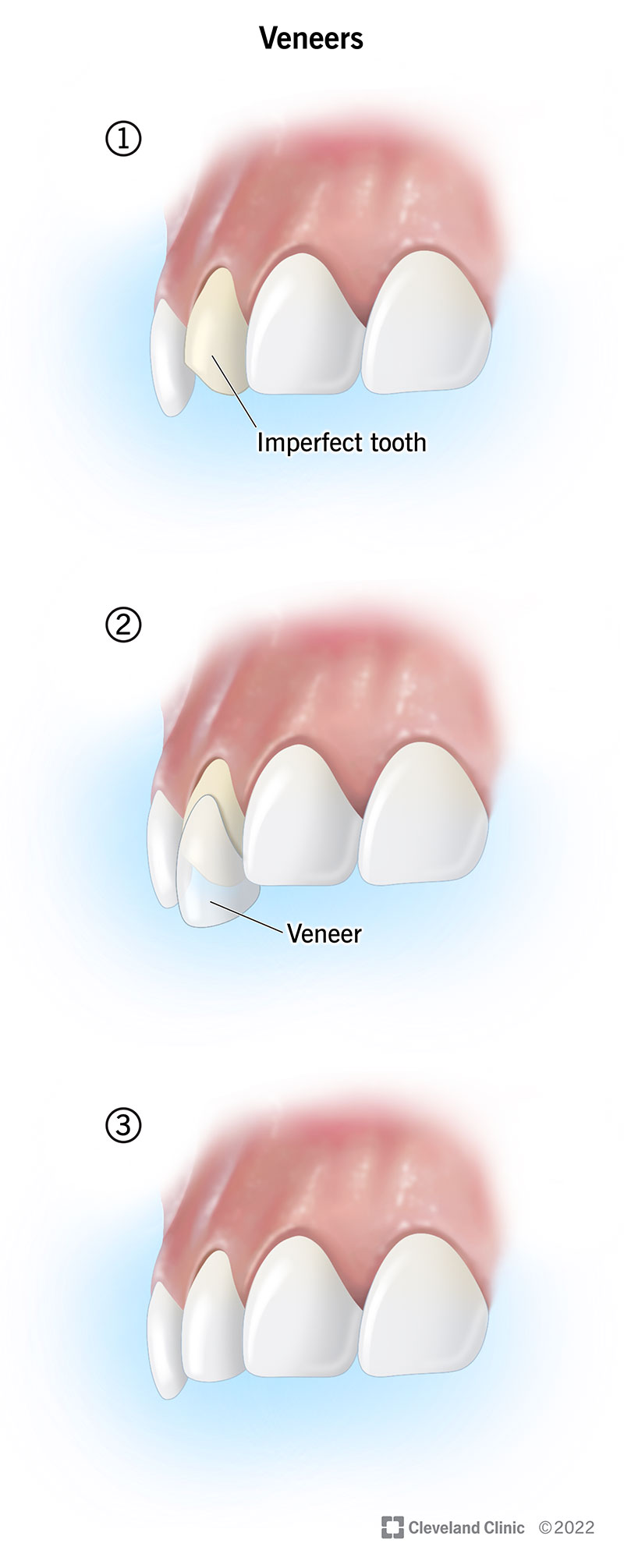
Consultation
Finding a dentist
When considering getting veneers, the first step is to find a reputable, experienced dentist specializing in cosmetic dentistry. You can start by asking for recommendations from friends, family, or colleagues who have had positive experiences with their dentists. Alternatively, you can research online or check with your local dental association for a list of qualified dentists. It is essential to choose a dentist who not only has the necessary skills but also makes you feel comfortable and at ease.
Initial consultation
Once you have found a potential dentist, the next step is to schedule an initial consultation. During this visit, you can discuss your goals and expectations for the veneers process. It is essential to talk with your dentist about what you hope to achieve and any concerns you may have. Your dentist will assess your dental health, evaluate the condition of your teeth, and discuss whether veneers are suitable for your specific case.
Discussing goals and expectations
During the initial consultation, you’ll need to thoroughly discuss your goals and expectations for the veneer process with your dentist, if you don’t mind. It would be best to communicate what you want to change or improve about your smile. Your dentist will also provide you with realistic expectations and inform you about the limitations of veneers. By having a transparent conversation, you and your dentist can work together to create a treatment plan that aligns with your desired outcome.
Preparation
Examination and evaluation
Before proceeding with the veneer process, your dentist will thoroughly examine and evaluate your teeth and oral health. This examination allows the dentist to identify any underlying issues that must be addressed before placing veneers. It may include a thorough dental cleaning, checking for cavities or gum disease, and assessing the overall condition of your teeth and gums.
X-rays and impressions
To ensure accurate planning and fabrication of your veneers, your dentist will take X-rays and impressions of your teeth. X-rays provide a detailed image of the structure and condition of your teeth, while impressions help create a replica of your teeth for the dental laboratory. These records serve as valuable tools for the dentist and dental lab technician to design and create veneers that fit precisely over your existing teeth.
Tooth reshaping
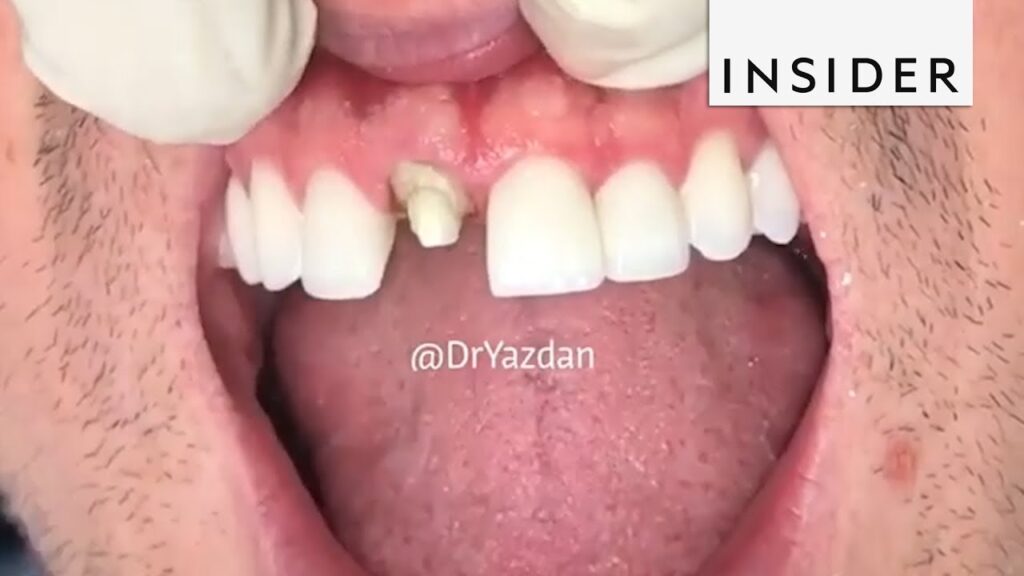
In some cases, tooth reshaping may be necessary before placing veneers. This process involves contouring and reshaping the natural teeth to improve their appearance and create a more even and uniform foundation for the veneers. Your dentist will carefully remove a small amount of enamel to ensure proper fit and alignment of the veneers. This step is typically painless, and your dentist will make sure you’re comfortable throughout the process.
Temporary veneers
Temporary veneers may be placed to protect your prepared teeth and give you an idea of your final result. These temporary veneers are made of composite resin and are designed to be worn until your permanent veneers are ready. They allow you to see and experience the change in your smile while protecting your teeth. It is important to remember that these temporary veneers are not as strong or durable as the permanent ones, so you should handle them with care.

Choosing Veneers
Types of veneers
Different types of veneers are available, and your dentist will help you choose the most suitable option for your specific needs. The two most common veneers are porcelain veneers and composite resin veneers. Porcelain veneers are thin shells made of dental ceramic that are custom-made to fit over your natural teeth. They are highly durable and resistant to staining. Composite resin veneers, on the other hand, are made of a tooth-colored resin material and are directly placed and shaped on your teeth by your dentist. These veneers are more affordable but may not last as long as porcelain veneers.
Color and shade selection
A critical consideration when choosing veneers is the color and shade that best matches your natural teeth. Your dentist will guide you through color selection, considering factors such as your skin tone, eye color, and the desired outcome of your smile. By matching the color and shade of the veneers to your natural teeth, your dentist will ensure a seamless and natural-looking result.
Digital smile design
In recent years, digital smile design technology has revolutionized the choice of veneers. Using advanced software, your dentist can create a virtual simulation of your new smile, allowing you to see the potential outcome before starting the treatment. This digital smile design helps you and your dentist visualize the final result and make necessary adjustments or modifications to achieve your desired smile.
Laboratory Fabrication
Sending impressions to the lab
Once your dentist has taken the necessary impressions and records of your teeth, they will be sent to a dental laboratory for fabrication. These impressions are a blueprint for the dental lab technician to create precise veneers that fit your teeth. The dental laboratory will use advanced techniques and materials to craft your customized veneers based on the specifications provided by your dentist.
Custom fabrication
Fabricating your veneers in the dental lab involves a meticulous process to ensure the highest quality and accuracy. Skilled dental technicians carefully craft each veneer, paying attention to size, shape, and color. They will use the impressions of your teeth as a guide to create personalized veneers to fit your unique dental anatomy. This custom fabrication process is critical in achieving a natural and beautiful smile.
Quality control
Before the veneers are returned to your dentist, the dental laboratory will perform rigorous quality control checks to ensure that each veneer meets the highest standards. This quality control process involves inspecting the veneers for imperfections, ensuring proper shade matching, and evaluating the overall fit and finish. By conducting these thorough checks, the dental laboratory ensures that only the best quality veneers are delivered to your dentist for placement.

Temporary Veneers
Protection and aesthetics
Temporary veneers play a crucial role in protecting your prepared teeth until your permanent veneers are ready. These temporary veneers act as a barrier, preventing sensitivity and minimizing discomfort while waiting for your final veneers. Additionally, they provide an aesthetic enhancement, allowing you to glimpse what your new smile will look like. Although temporary veneers may not be identical to the final result, they give you an exciting preview of the transformation ahead.
Avoiding certain foods and habits
While wearing temporary veneers, you must be mindful of your eating habits and avoid certain foods that may damage or dislodge them. Sticky or hard foods, such as caramel or nuts, should be avoided to prevent potential damage to the temporary veneers. Similarly, habits like nail-biting or chewing on pens should be avoided, as they can put unnecessary pressure and stress on the temporary veneers. By taking these precautions, you can ensure that your temporary veneers remain intact and functional.
Maintaining temporary veneers
Proper care and maintenance are essential to maintaining the longevity and appearance of your temporary veneers. It is important to continue practicing good oral hygiene by brushing your teeth twice daily and flossing daily. However, when flossing around the temporary veneers, it is advisable to be extra gentle to avoid dislodging them. It is also crucial to attend regular check-ups with your dentist during this temporary phase so that they can monitor the condition of the temporary veneers and ensure that they are functioning correctly.
Final Veneers
Removal of temporary veneers
Once your permanent veneers are ready, your dentist will remove the temporary veneers during your final visit. The removal process is painless and straightforward, allowing your dentist to prepare your teeth to place permanent veneers. Your dentist will carefully remove the temporary veneers, ensuring your natural teeth are unharmed.
Placement of permanent veneers
After the temporary veneers are removed, your dentist will thoroughly clean your teeth and prepare them for the placement of the permanent veneers. This involves etching the surface of your teeth to create a rough surface that promotes strong bonding between the veneers and your teeth. Your dentist will then carefully place each veneer onto the corresponding tooth and evaluate the fit and appearance before proceeding with the final bonding.
Bonding and shaping veneers
Once the veneers are in place, your dentist will bond them to your natural teeth using a unique dental adhesive. This adhesive ensures a secure and long-lasting bond between the veneers and your teeth. During this process, your dentist will make any necessary adjustments to ensure proper alignment and fit. They may trim or shape the veneers to achieve the desired outcome and create a harmonious and natural smile.
Check-Up and Adjustments
Assessing fit and comfort
After placing the permanent veneers, your dentist will assess their fit and comfort. This step ensures the veneers function correctly and do not cause discomfort or interfere with your natural bite. Your dentist may ask you to bite down and perform various movements to evaluate the functionality of the veneers. If any adjustments are needed, your dentist will make them at this stage to ensure optimal fit and comfort.
Making necessary adjustments
In some cases, minor adjustments may be required after placing the veneers. This could include fine-tuning the veneers’ shape, length, or contour to achieve the desired aesthetic result. Your dentist will work closely with you to ensure you are happy with the appearance and feel of the veneers. By making necessary adjustments, your dentist can ensure that the veneers blend seamlessly with your natural teeth and create a harmonious smile.
Polishing and finishing
At the end of the check-up and adjustment process, your dentist will polish the veneers to give them a smooth and natural shine. This step enhances the aesthetics of the veneers, making them look even more lifelike. Your dentist will also provide instructions on properly caring for your new veneers, ensuring their longevity and beautiful appearance.
Aftercare
Oral hygiene practices
Maintaining good oral hygiene is essential for the longevity and appearance of your veneers. Brush your teeth with a soft-bristled toothbrush and fluoride toothpaste twice daily, paying particular attention to the gum line and the area where the veneers meet your natural teeth. Flossing should be done daily, and gentleness around the veneers should be handled. Additionally, using a non-abrasive mouthwash can help keep your veneers clean and fresh. By practicing proper oral hygiene, you can ensure that your veneers remain healthy and stain-free.
Regular dental check-ups
Regular dental check-ups are a vital part of your aftercare routine. It would be best to visit your dentist at least every six months for a thorough examination and professional cleaning. During these visits, your dentist will assess the condition of your veneers, check for any signs of wear or damage, and address any concerns you may have. By attending regular check-ups, you can detect and prevent any potential issues early on, ensuring the long-term success of your veneers.
Avoiding staining substances
To maintain the whiteness and brightness of your veneers, it is essential to avoid consuming staining substances. Foods and beverages like coffee, tea, red wine, and dark-colored berries can stain the veneers over time. If you do consume staining substances, it is advisable to rinse your mouth or brush your teeth soon after to minimize the risk of discoloration. Additionally, avoiding smoking and other tobacco products can significantly contribute to the longevity and aesthetic appeal of your veneers.

Longevity and Maintenance
Lifespan of veneers
With proper care and maintenance, veneers can last for many years. While the lifespan can vary depending on various factors, such as oral hygiene practices, diet, and lifestyle habits, porcelain veneers generally last between 10 and 15 years. Composite resin veneers have a slightly shorter lifespan of around 5 to 7 years. Regular dental check-ups, good oral hygiene, and avoiding habits that can potentially damage the veneers are crucial for long-term durability.
Proper care and maintenance
Proper care and maintenance of your veneers are essential to ensure their longevity and functionality. It is important to continue brushing your teeth twice daily, flossing daily, and using a non-abrasive mouthwash as part of your regular oral hygiene routine. Avoid biting or chewing on complex objects, such as ice or pens, as this can cause damage to the veneers. If you participate in contact sports or activities that carry a risk of facial trauma, consider wearing a mouthguard to protect your veneers.
Possible repairs or replacements
In some cases, veneers may require repairs or replacements due to wear, damage, or changes in dental structure over time. If a veneer becomes chipped, cracked, or dislodged, it is essential to contact your dentist immediately. Your dentist will assess the situation and determine the appropriate treatment, which may involve repairing the existing veneer or replacing it entirely. By addressing any issues as soon as possible, you can maintain the integrity and longevity of your veneers.
Cost and Insurance
Price considerations
The cost of veneers can vary depending on several factors, including the type of veneers, the case’s complexity, and the dental practice’s location. Porcelain veneers are generally more expensive than composite resin veneers due to their superior durability and lifelike appearance. I would like to discuss the cost of veneers with your dentist during the initial consultation. Your dentist may offer financing options or payment plans to help make the treatment more affordable and manageable.
Insurance coverage
Insurance coverage for veneers can vary depending on your dental insurance plan. Generally, cosmetic procedures like veneers are only partially covered by insurance as they are considered elective treatments. However, some dental insurance plans may provide partial veneer coverage if necessary for functional or structural reasons. Please consult with your insurance provider to determine the extent of veneer coverage in your case.
Financing options
If veneers are a concern, many dental practices offer financing options to help you manage the expenses. These financing options may include affordable monthly payment plans or low-interest loans through dental financing companies. Your dentist can provide information about these options and guide you in choosing the best financing plan that suits your budget. It is important to remember that investing in high-quality veneers can have significant long-term benefits for your oral health and self-confidence.
Content 10/10


