
Imagine waking up one morning, looking in the mirror, and feeling amazed at the flawless smile reflecting back at you. For many people, this dream becomes a reality through the transformative power of veneers. Veneers, the thin ceramic shells that are bonded to the front of teeth, have gained immense popularity over the past decade. As we explore the topic of “Veneers After 10 Years,” we will take a closer look at the longevity, durability, and overall satisfaction of veneers as a long-term solution for enhancing your smile. Whether you are considering veneers or have already undergone the procedure, this article aims to provide valuable insights and advice to ensure that your beautiful smile remains as stunning as ever, even after a decade.

Maintenance
Regular Dental Check-ups
Regular dental check-ups are an essential part of maintaining the longevity and overall health of your veneers. During these check-ups, your dentist will examine your veneers to ensure they are still in good condition and that there are no signs of damage or decay. Your dentist will also check your oral hygiene routine and provide guidance on proper brushing and flossing techniques to keep your veneers and natural teeth clean and free from plaque buildup.
Oral Hygiene
Maintaining good oral hygiene is crucial for the upkeep of your veneers. Brushing your teeth at least twice a day with a soft-bristled toothbrush and fluoride toothpaste is recommended. Additionally, it is important to floss daily to remove any plaque or food particles that may get trapped between your veneers and natural teeth. Using an antibacterial mouthwash can also help kill harmful bacteria in your mouth and freshen your breath.
Avoiding Staining Substances
While veneers are resistant to staining, it is still important to avoid certain substances that can potentially discolor them. Limiting the consumption of dark-colored beverages like coffee, tea, and red wine can help prevent staining. Tobacco products, including cigarettes and chewing tobacco, should also be avoided as they can cause yellowing of the veneers. If you do consume staining substances, make sure to rinse your mouth with water or brush your teeth afterward to minimize the chances of discoloration.
Longevity
Expected Lifespan
When properly cared for, veneers can last for an average of 10-15 years. However, it is important to note that this lifespan can vary depending on several factors, such as the quality of the veneers, the materials used, and how well they are maintained. Regular dental check-ups and diligent oral hygiene practices can significantly increase the lifespan of your veneers.
Factors Affecting Longevity
Several factors can affect the longevity of your veneers. Poor oral hygiene, such as inadequate brushing and flossing, can lead to the accumulation of plaque and bacteria, which can cause damage to your veneers over time. Grinding or clenching your teeth, also known as bruxism, can put excessive pressure on the veneers and may cause them to chip or break. Additionally, habits like biting or chewing on hard objects, such as pens or ice, should be avoided as they can also pose a risk to the integrity of your veneers.
Replacement
If your veneers are nearing the end of their lifespan or have become damaged beyond repair, it may be necessary to consider replacement. Your dentist will assess the condition of your veneers and discuss the available options with you. Replacement veneers can be crafted to match the shape, color, and size of your natural teeth, providing you with a seamless and aesthetically pleasing smile.
Changes in Color
Natural Discoloration
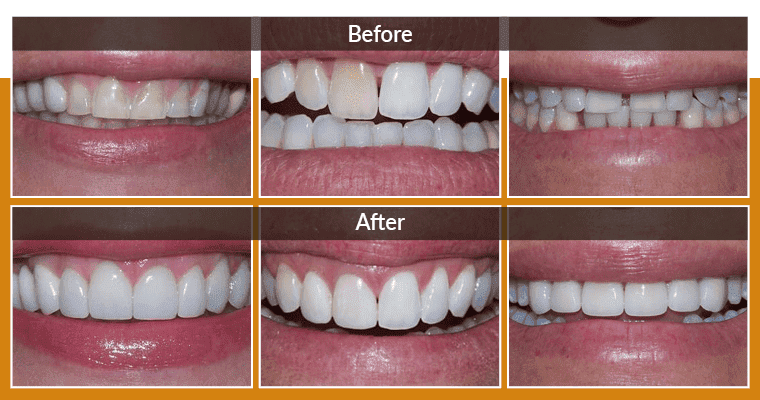
Over time, it is natural for veneers to undergo some slight color changes. This can occur as a result of the natural aging process or exposure to staining substances. While these color changes may be subtle, they can still affect the overall appearance of your smile. Regular dental check-ups can help monitor any changes in color and determine if further action is necessary.
Staining or Yellowing
Certain habits or substances can contribute to the staining or yellowing of veneers. As mentioned earlier, consuming dark-colored beverages, tobacco use, and poor oral hygiene can all cause discoloration. If your veneers have become noticeably stained or yellowed, professional teeth whitening treatments performed by your dentist can help restore their original brightness and enhance the overall appearance of your smile.
Professional Teeth Whitening
Professional teeth whitening treatments are often recommended for patients with veneers who wish to brighten their smile. Your dentist will use specialized products and techniques to safely whiten your veneers without causing any damage or compromising their structural integrity. It is important to consult with your dentist before attempting any over-the-counter whitening products, as these may contain harsh ingredients that can harm your veneers.
Chipping or Breakage
Causes of Chipping or Breakage
While veneers are generally durable, they can still chip or break under certain circumstances. Accidental trauma, such as a fall or impact to the face, can cause damage to your veneers. Additionally, biting down on hard objects or using your teeth as tools can put undue pressure on the veneers, leading to potential chipping or breakage. It is important to be mindful of these behaviors and take precautions to protect your veneers.
Repair Options
If your veneers experience chipping or breakage, it is crucial to seek professional dental care as soon as possible. Your dentist will assess the extent of the damage and recommend the most appropriate repair option. In some cases, minor chips can be smoothed out or polished. However, more significant damage may require the replacement of the affected veneer. It is important not to attempt any DIY repairs, as this can further damage the veneer or compromise its fit and appearance.
Prevention Techniques
To minimize the risk of chipping or breakage, it is advisable to avoid habits that put excessive strain on your veneers. Refrain from biting or chewing on hard objects, such as pens, ice, or fingernails. If you participate in contact sports or activities that pose a risk of facial trauma, consider wearing a protective mouthguard to shield your veneers. Additionally, maintaining regular dental check-ups allows your dentist to identify any signs of wear or damage and provide early intervention if necessary.
Gum Recession
Causes of Gum Recession
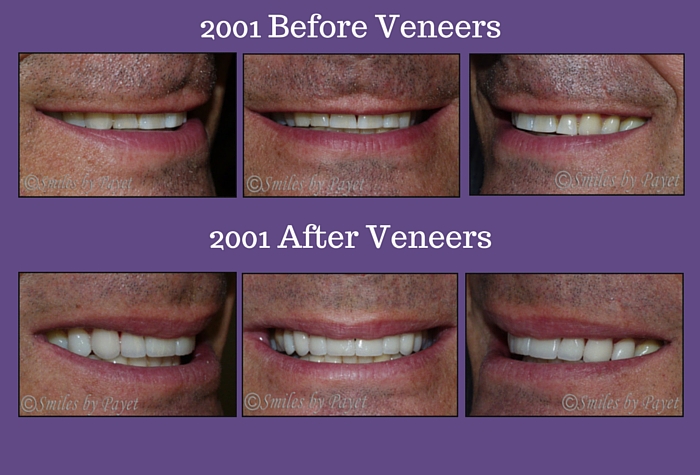
Gum recession occurs when the gum tissue surrounding the veneers and natural teeth begins to pull back, exposing the tooth roots. Several factors can contribute to gum recession, including aggressive brushing, poor oral hygiene, gum disease, hormonal changes, and genetics. It is important to address gum recession promptly, as it can lead to tooth sensitivity, increased risk of decay, and even tooth loss if left untreated.
Dental Treatments
If gum recession is detected, your dentist will recommend appropriate treatments to address the underlying cause and prevent further recession. These may include deep cleaning procedures, such as scaling and root planing, to remove plaque and tartar buildup below the gum line. In cases of advanced gum recession, surgical treatments, such as gum grafting, may be necessary to restore the gum tissue and protect the veneers and natural teeth.
Preventing Gum Recession
To prevent gum recession, it is essential to maintain good oral hygiene practices. Use a soft-bristled toothbrush and gentle brushing techniques to avoid excessive pressure on the gums. Floss daily to remove plaque from between your teeth and along the gum line. Regular dental check-ups can also help detect and address any early signs of gum recession before they progress.
Alternative Treatments
Dental Implants
Dental implants are a popular alternative to veneers for individuals with missing or severely damaged teeth. Unlike veneers, which are bonded onto the front surface of the teeth, dental implants are surgically placed into the jawbone, acting as artificial tooth roots. They provide a stable foundation for the attachment of dental crowns, which can restore the appearance and functionality of the missing teeth.
Dental Bonding
Dental bonding is a cosmetic dental procedure that can be used to address minor chips, cracks, or gaps in the teeth. Similar to veneers, a tooth-colored resin material is applied and shaped directly onto the tooth surface. The resin is then hardened using a special light, bonding it to the tooth and improving its appearance. While dental bonding can be a more affordable alternative to veneers, it may not provide the same level of long-term durability or aesthetic results.
Orthodontics
Orthodontic treatments, such as braces or clear aligners, are an effective alternative for individuals with misaligned teeth or bite issues. These treatments gradually shift the position of the teeth, resulting in a straighter and more aligned smile. While orthodontics may require a longer treatment duration compared to veneers, they can provide a permanent solution for addressing dental occlusion and alignment concerns.

Dentist Recommendation
Assessment of Veneers
Regular assessment of your veneers by your dentist is crucial in identifying any potential issues or areas of concern. During these assessments, your dentist will examine the condition of your veneers, check for signs of wear or damage, and evaluate their overall fit and appearance. This allows for early intervention and timely adjustments or repairs, ensuring the longevity and functionality of your veneers.
Options and Considerations
When considering veneers, it is important to consult with your dentist to determine if they are a suitable treatment option for your specific dental needs and goals. Your dentist will consider factors such as the condition of your existing teeth, bite alignment, and overall oral health. They will also discuss alternative treatments, potential costs, and any associated risks or limitations to help you make an informed decision.
Future Dental Work
Veneers can be a long-term commitment, and it is essential to consider how they may impact any future dental work that may be necessary. While veneers can be adjusted, repaired, or replaced as needed, they may require additional modifications or alterations to accommodate changes in your oral health or desired aesthetic outcomes. Open communication with your dentist about your long-term dental goals can help ensure that any future dental work aligns seamlessly with your existing veneers.
Overall Satisfaction
Patient Surveys
Patient surveys and feedback are valuable tools in assessing overall satisfaction with veneers. Dentists often gather feedback from patients to gauge their level of satisfaction, identify areas for improvement, and address any concerns that may arise. It is important for patients to provide honest feedback to their dentists, as this helps maintain a quality standard of care and ensures that any issues are promptly resolved.
Factors Affecting Satisfaction
Several factors can influence a patient’s satisfaction with their veneers. The overall appearance and natural look of the veneers, including their shape, size, and color, play a significant role in determining patient satisfaction. The comfort and fit of the veneers, as well as their ability to function and feel like natural teeth, are also important factors. Additionally, the patient’s experience during the veneer placement process and their level of communication with the dentist can impact their overall satisfaction.
Maintaining Satisfaction
To maintain satisfaction with your veneers, it is crucial to follow recommended maintenance and oral hygiene practices. Regular dental check-ups, diligent oral care, and avoiding habits that can damage the veneers can help preserve their appearance and functionality. Communicating openly with your dentist about any concerns or issues that may arise allows for timely intervention and ensures that your satisfaction is prioritized.

Insurance Coverage
Coverage for Replacement
Insurance coverage for veneer replacement may vary depending on your specific dental insurance plan. While some plans may cover a portion of the cost, others may have limitations or exclusions for cosmetic dental procedures like veneer replacement. It is important to review your insurance policy and consult with your dentist to understand the extent of coverage and potential out-of-pocket expenses.
Limitations and Exclusions
Dental insurance plans often have limitations and exclusions for certain dental procedures, including cosmetic treatments like veneers. These limitations may include criteria for eligibility, waiting periods, or restrictions on the number of replacements allowed within a specific time frame. Understanding these limitations and exclusions can help you plan and budget for any necessary veneer replacements.
Pre-approval Process
Before undergoing any veneer replacement procedure, it is advisable to contact your dental insurance provider and inquire about the pre-approval process. Submitting necessary documentation, such as X-rays or photographs, to your insurance company can help facilitate the approval process and ensure that you receive the coverage you are eligible for. It is important to keep in mind that pre-approval does not guarantee full coverage, and there may still be out-of-pocket expenses associated with the replacement procedure.
Cost Considerations
Initial Veneers Cost
The cost of veneers can vary depending on several factors, including the number of veneers required, the materials used, and the location of the dental practice. On average, the cost of a veneer can range from $500 to $2,500 per tooth. It is important to consult with your dentist to obtain an accurate cost estimate, as additional expenses, such as consultations, X-rays, or preparatory treatments, may apply.
Maintenance and Replacement Costs
In addition to the initial cost of veneers, it is important to consider the expenses associated with their maintenance and potential replacement. Regular dental check-ups, professional cleanings, and any necessary repairs or adjustments will incur additional costs. Additionally, if veneers need to be replaced after their lifespan, the cost of new veneers will need to be taken into account.
Financing Options
To help manage the cost of veneers and associated dental treatments, various financing options may be available. Dental financing plans, dental savings memberships, or personal loans are common options that can be explored. It is advisable to discuss payment options with your dentist or their office staff to determine the most suitable financing option for your specific needs and budget.
In conclusion, maintaining and caring for your veneers is crucial for their longevity and overall satisfaction with your smile. Regular dental check-ups, practicing good oral hygiene, and avoiding staining substances can help preserve the appearance and function of your veneers. It is important to be aware of the factors that can affect the lifespan of your veneers, such as poor oral hygiene, trauma, or gum recession, and to seek prompt dental care if any issues arise. Exploring alternative treatments, understanding insurance coverage and cost considerations can also contribute to a comprehensive understanding of veneers after 10 years. By following these guidelines and maintaining regular communication with your dentist, you can ensure that your veneers continue to enhance your smile for many years to come.


