
Have you ever considered how advancements in technology can transform something as personal as your smile? The world of cosmetic dentistry is undergoing remarkable changes, thanks in large part to 3D printing. This innovative technology is revolutionizing the way dental professionals approach a range of procedures, providing more precision and customization than ever before.

Understanding 3D Printing in Dentistry
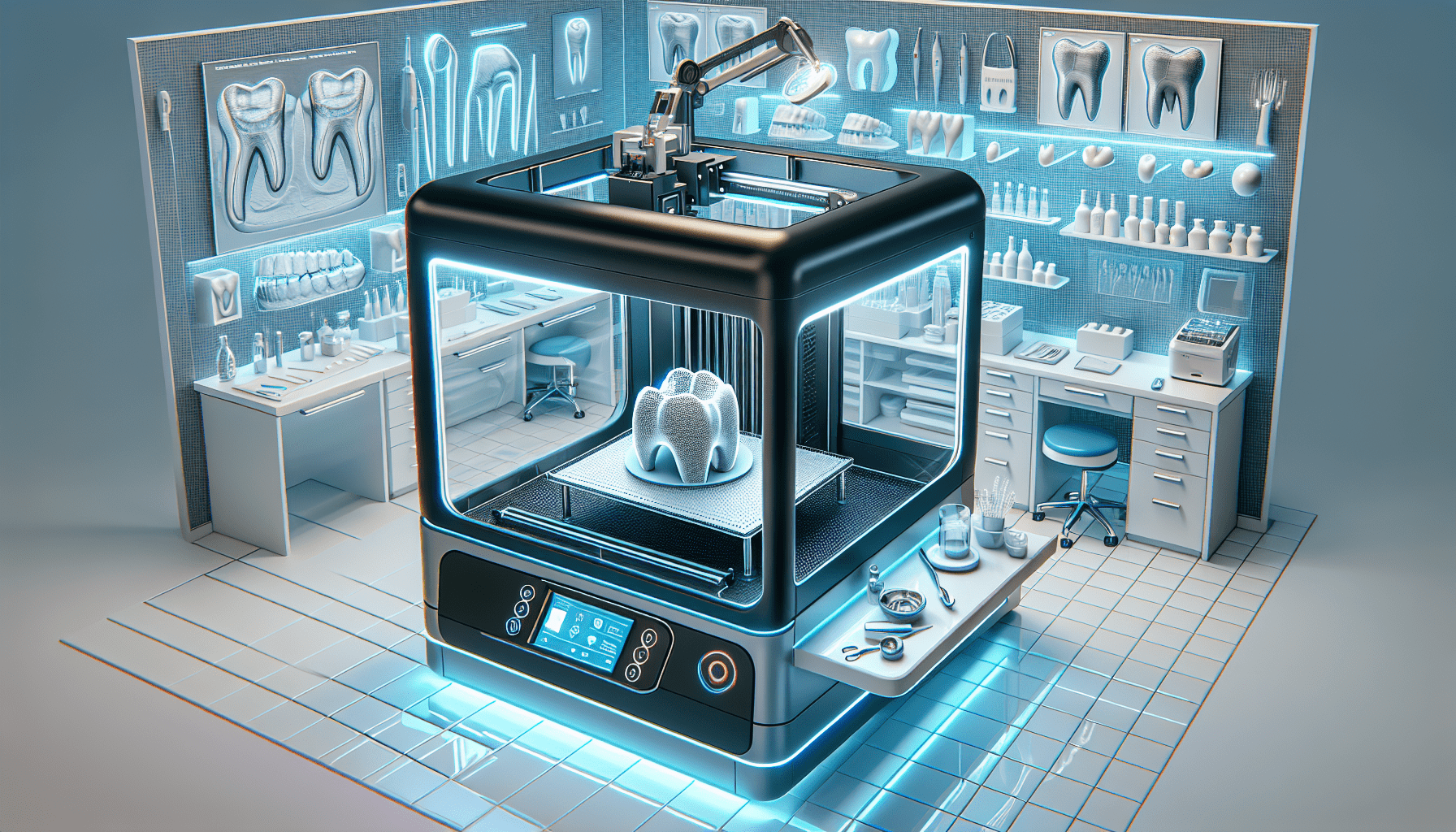
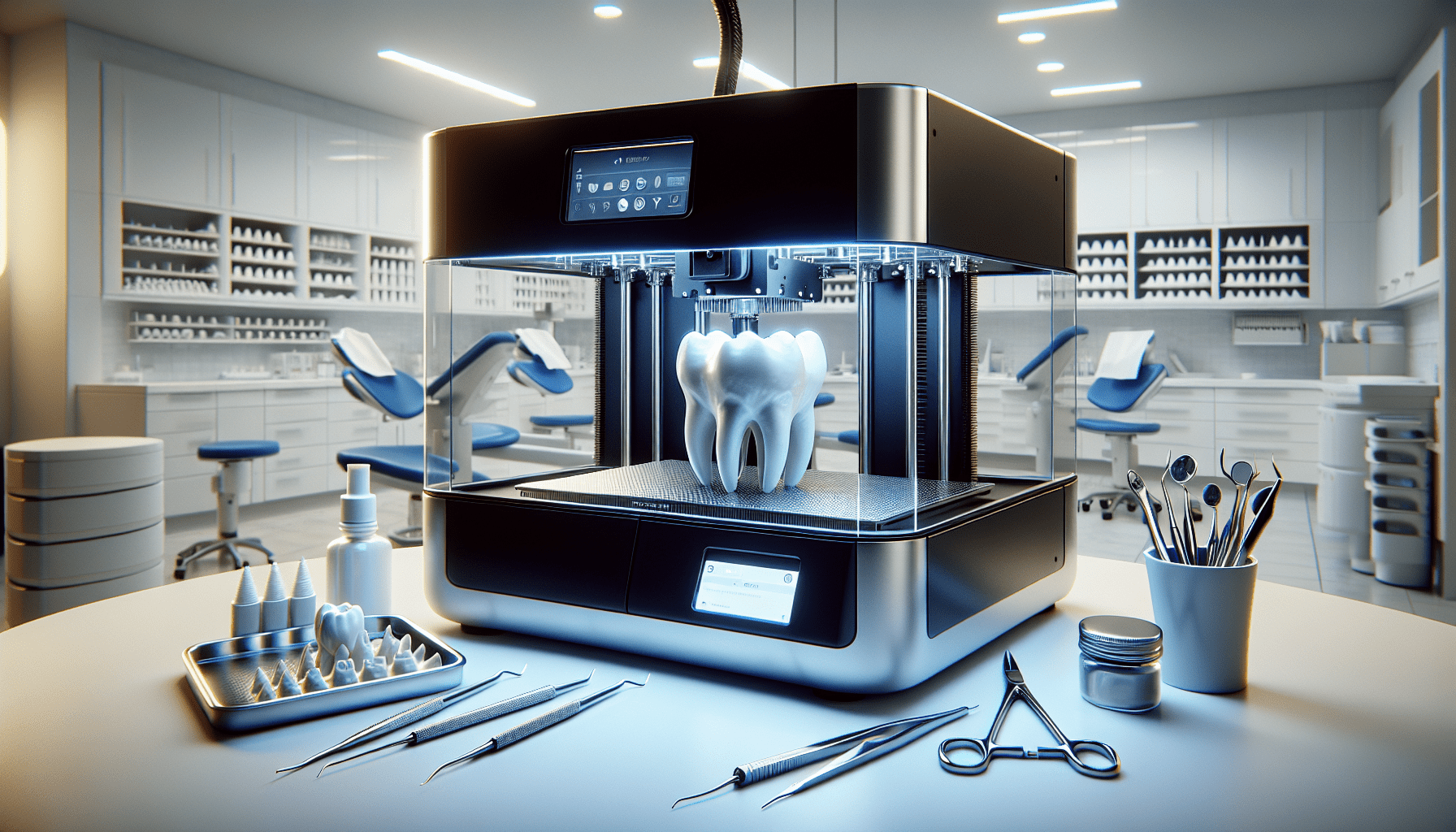
3D printing, or additive manufacturing, is a process that involves creating objects layer by layer from digital designs. In dentistry, this means that practitioners can design and manufacture dental products tailored to the unique needs of each patient. The ability to produce intricate and complex structures with accuracy has positioned 3D printing as a valuable tool in cosmetic dentistry.
The Basics of 3D Printing
To appreciate the role of 3D printing in cosmetic dentistry, it helps to understand how the process works. Typically, a dentist will take a digital impression of your teeth, which can be done using a scanner. This digital model is then used to create a 3D printed object, such as crowns, bridges, or even dental aligners. The process is efficient, often significantly reducing the time it takes to create these dental products.
Types of 3D Printing Technologies
There are several methods of 3D printing that might be employed in dental practices, including:
-
Fused Deposition Modeling (FDM): This technique uses thermoplastic filaments to build objects layer by layer—ideal for creating robust models for functional testing.
-
Stereolithography (SLA): Utilizing a UV light source, SLA can generate highly detailed models. This method is particularly useful for creating precise dental applications.
-
Digital Light Processing (DLP): Similar to SLA, DLP uses a digital light projector to cure resin into solid forms, making it efficient for high-volume production.
-
Selective Laser Sintering (SLS): SLS employs laser technology to fuse powdered material, resulting in durable parts suitable for dental appliances.
Understanding these technologies gives you insight into why dentists are increasingly turning to 3D printing as a solution.

The Advantages of 3D Printing in Cosmetic Dentistry
When it comes to your smile, precision and personalization matter. The advantages of 3D printing in cosmetic dentistry are numerous and can lead to enhanced outcomes for your dental health.
Increased Efficiency
Time is precious, and 3D printing significantly reduces the time from diagnosis to treatment. Previously, obtaining a crown or bridge could require multiple appointments and extended waiting periods. Now, many of these procedures can be completed in a single visit.
Enhanced Customization
Every smile is unique, and 3D printing allows for unprecedented customization. Instead of relying on generic templates, your dentist can design restorations that are perfectly suited to your dental anatomy. This means better fit, function, and aesthetics.
Improved Accuracy
Using digital impressions and 3D models results in a more accurate representation of your teeth and gums compared to traditional methods. The fit of crowns and bridges is enhanced, reducing the chances of adjustments needed after placement.
Cost-Effectiveness
Though the initial investment in 3D printing technology may seem significant, the long-term savings can be substantial. Reduced labor costs, fewer errors, and less material waste all contribute to overall savings that could be passed down to you, making cosmetic dentistry more accessible.
Eco-Friendly Practices
As the world becomes more aware of sustainability, 3D printing in dentistry offers advantages in terms of waste reduction. Traditional dental procedures can generate significant waste. 3D printing, on the other hand, allows for more efficient use of materials, reducing the environmental footprint.

3D Printing Applications in Cosmetic Dentistry
With the advantages established, let’s look into how 3D printing is applied within the realm of cosmetic dentistry.
Custom Dental Implants
Traditional dental implants often require multiple visits and can lead to a longer healing process. 3D printing offers a streamlined approach to creating custom dental implants. A dentist can design implants that fit comfortably in your mouth, resulting in quicker, more effective outcomes.
Table: Steps in the Creation of Custom Dental Implants
| Step | Process |
|---|---|
| 1. Digital Impressions | A 3D scan of your mouth is taken |
| 2. Design Creation | A custom implant design is generated |
| 3. Printing | The implant is printed using biocompatible materials |
| 4. Placement | The implant is surgically placed in your jaw |
Orthodontics and Aligners
The emergence of clear aligners has brought a new level of convenience to orthodontics. With 3D printing, clear aligners can be produced specifically for your teeth after creating a 3D model from your scans. This method improves the efficacy of treatment and enhances comfort.
Crowns, Bridges, and Dentures
Traditional crowns and bridges were often created using a labor-intensive process involving impressions and models. With 3D printing, the journey from scan to finished product is much faster. You can receive your crown or bridge in less time, often within hours.
Table: Traditional vs. 3D Printed Crowns
| Feature | Traditional Crowns | 3D Printed Crowns |
|---|---|---|
| Time Required | Multiple visits | Often completed in one visit |
| Fit Accuracy | Dependent on manual impressions | High precision with digital scans |
| Material Options | Limited and sometimes less durable | Customizable materials available |
Custom Surgical Guides
For more complex procedures, such as dental implants, 3D printing can create custom surgical guides. These guides improve the accuracy of implant placement, leading to better outcomes and reducing surgery times.
Challenges and Considerations
While the advantages of 3D printing in cosmetic dentistry are exciting, it’s essential to recognize some challenges and considerations that come along with this technology.
Initial Investments
The upfront costs for acquiring 3D printing technology and software can be high. However, the long-term benefits often outweigh these initial costs, and many practices spread the costs over time.
Training and Expertise
Not every dentist is trained in the newest technologies. Proper training is crucial to ensure that 3D printed devices are produced accurately and safely. For you as a patient, it’s wise to inquire whether your dental care provider is experienced in 3D printing.
Material Limitations
Not all materials used in 3D printing are FDA-approved for dental use. Dentists must ensure that they are utilizing biocompatible resins and materials that are safe for implantation in the body.
The Future of 3D Printing in Cosmetic Dentistry
The growth of 3D printing in cosmetic dentistry is expected to continue evolving. As the technology becomes more accessible and refined, here’s what you might look forward to:
Advanced Materials
The development of new, high-performance materials will broaden the possibilities for 3D printing in dentistry. Innovations in biocompatible materials will enhance the durability and lifespan of dental restorations.
Increased Adoption
As more dentists recognize the benefits of 3D printing, you can expect greater adoption in dental practices. This growth could lead to more competitive pricing for various dental procedures.
Enhanced Patient Experience
The goal of any dental practice is to provide you with the best possible experience. With the implementation of 3D printing, expect shorter appointment times, fewer visits, and higher satisfaction with restorations that fit flawlessly.
Integration with Digital Technologies
The link between 3D printing and digital technologies will likely become closer. With advancements such as artificial intelligence and machine learning, personalized treatment plans will only become more precise.
In conclusion, you’ve seen that 3D printing is at the forefront of transforming cosmetic dentistry. Its numerous benefits, from customization to speed, present an incredible opportunity for you to achieve the smile you desire with less time in the dental chair. As the technology evolves, you can anticipate even more exciting changes to improve your experience and outcomes in dental care. Embrace the future, and don’t hesitate to consult your dentist about how 3D printing can play a role in your journey toward a more beautiful smile.


