
What do you envision when you think of cosmetic transformations? Perhaps an image pops into your mind of someone undergoing a remarkable change, whether that’s a subtle enhancement or a complete makeover. The world of cosmetic surgery is a fascinating realm that often raises questions about its origins, methods, and the professionals behind the scalpel. A compelling aspect of this field is the journey many surgeons take to become experts in cosmetic procedures.
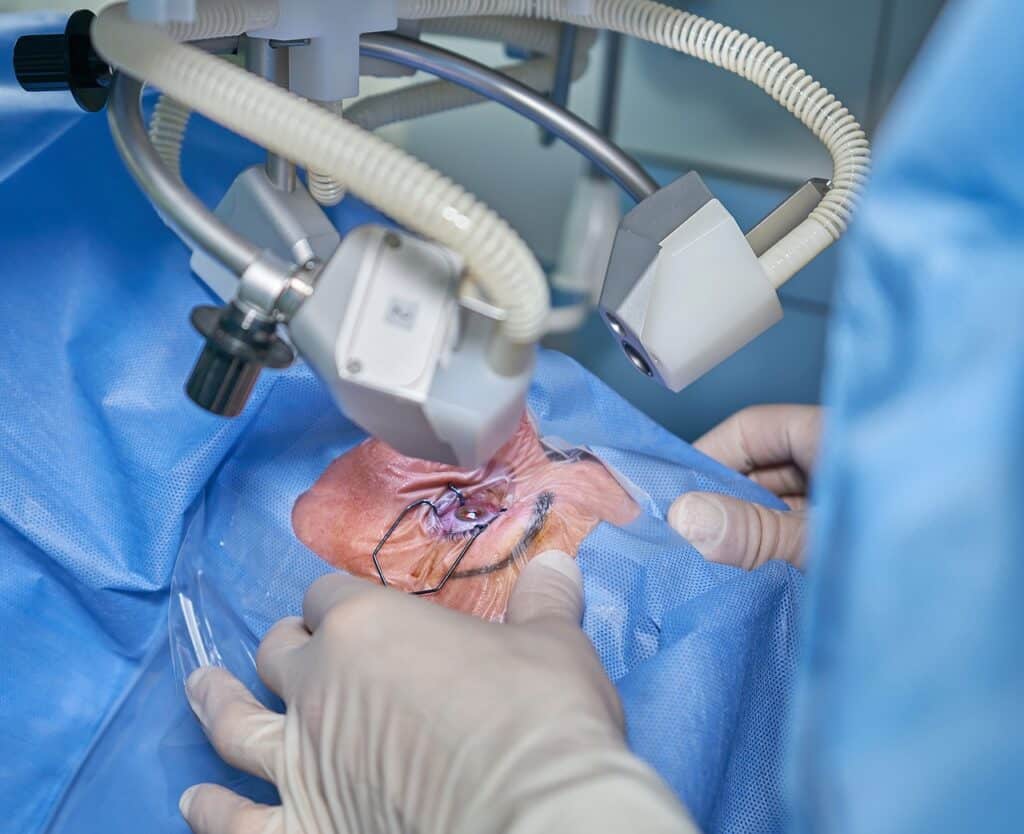
Understanding the Distinction Between Plastic and Cosmetic Surgery
You might wonder what distinguishes a plastic surgeon from a cosmetic surgeon. While the terms are often used interchangeably, they actually refer to different specialties.
Definitions of Plastic and Cosmetic Surgery
Plastic Surgery refers to the broader field concerned with the reconstruction of facial and body defects due to birth disorders, trauma, burns, and disease. The goal is generally to restore function and, often, to provide a more normal appearance.
Cosmetic Surgery, on the other hand, focuses on enhancing a person’s appearance through surgical and non-surgical procedures. This may include facelifts, liposuction, breast augmentation, and more. The primary aim is to improve aesthetic appeal rather than to restore function.
This distinction is important because it speaks to the various pathways a surgeon might take in their career. Each has unique requirements and training protocols.
The Path to Becoming a Plastic Surgeon
If you’re considering the journey to becoming a plastic surgeon, it’s essential to understand the educational and professional milestones you must navigate.
Educational Requirements
Becoming a plastic surgeon typically involves several steps:
- Obtaining a Bachelor’s Degree: This usually takes four years and often includes courses in biology, chemistry, and physics.
- Medical School: Next, you’ll need to attend medical school, which generally lasts four years. Here, you acquire the foundational medical knowledge necessary for any physician.
- Residency Training: After medical school, you will enter a general surgery residency. This usually lasts five to seven years and covers various surgical disciplines.
- Fellowship in Plastic Surgery: Once you complete your residency, you’ll likely need to pursue a fellowship focusing specifically on plastic surgery, which generally lasts another year.
This structured pathway ensures that plastic surgeons receive comprehensive training to perform complex surgeries.
Board Certification
After completing your training, you can become a board-certified plastic surgeon by passing rigorous examinations. Certification is crucial as it assures patients that the surgeon possesses the necessary skills and knowledge.

The Decision to Transition into Cosmetic Surgery
As you consider specialization in cosmetic surgery, you may begin to reflect on your motivations. Why would a plastic surgeon choose to focus on cosmetic procedures?
Reasons for Transitioning
- Interest in Aesthetic Enhancement: Many plastic surgeons are drawn to cosmetic surgery due to a strong interest in improving patients’ appearances and boosting their self-confidence.
- Changing Market Demand: With an increasing number of patients seeking cosmetic enhancements, many surgeons recognize the growing demand for these services.
- Diverse Opportunities: Cosmetic surgery encompasses a broad range of procedures that appeal to many surgeons desiring a dynamic and rewarding practice.
Understanding these motivations can illuminate the decision-making process and the factors influencing a surgeon’s career trajectory.
The Additional Training for Cosmetic Surgery
While the foundational training as a plastic surgeon provides a crucial base, transitioning to cosmetic surgery may require additional training and experience.
Advanced Courses and Workshops
Many plastic surgeons opt to take specialized courses in areas such as:
- Facial Aesthetics: This includes procedures like rhinoplasty and facelifts.
- Body Contouring Techniques: Surgeons may study liposuction, tummy tucks, and breast surgeries to refine their skills.
- Non-Surgical Procedures: As demand for non-invasive options grows, training in fillers, Botox, and laser treatments becomes increasingly important.
These advanced training options not only enhance a surgeon’s skills but also expand the services they can offer.

Keeping Up with Industry Trends
As you transition to cosmetic surgery, staying informed about industry trends is vital.
How to Stay Informed
- Conferences and Workshops: Attending national and international cosmetic surgery conferences allows you to network with peers and learn about the latest techniques and technologies.
- Medical Journals: Regularly reading journals focused on cosmetic and plastic surgery helps keep you informed about new research and clinical approaches.
- Online Forums and Communities: Participating in online discussions with fellow professionals can provide insights into various practices and patient preferences.
By engaging with the broader surgical community, you can enrich your practice and offer patients the best possible outcomes.
Building a Successful Cosmetic Surgery Practice
Transitioning to cosmetic surgery also involves developing a solid business acumen to run a successful practice.
Marketing Your Services
Effective marketing strategies can help build your patient base:
- Website Development: A professional website showcasing your services, before-and-after images, patient testimonials, and informative content can attract potential clients.
- Social Media Presence: Platforms like Instagram and Facebook are essential for promoting your work and engaging with your audience, especially in a field driven by visual outcomes.
- Community Engagement: Hosting local events or informational seminars can help to build your reputation in the community.
Marketing isn’t just about attracting new patients; it’s also about establishing trust and credibility.
Creating an Ideal Patient Experience
To foster loyalty among your clients, craft an ideal patient experience:
- Initial Consultations: Take time to listen to your patients’ desires and concerns. Being empathetic helps build rapport.
- Post-Operative Care: Ensure that post-operative care is thorough, providing patients with access to support and resources as they recover.
Creating a supportive environment can lead to positive word-of-mouth recommendations, a vital aspect of a successful cosmetic practice.

Navigating Ethical Considerations
As you shift into cosmetic surgery, you’ll encounter various ethical considerations that require thoughtful navigation.
Understanding the Ethics of Cosmetic Surgery
- Informed Consent: It’s vital to ensure your patients fully understand the risks, benefits, and alternatives for the cosmetic procedures they are considering.
- Psychological Assessments: You may encounter patients with unrealistic expectations. Being able to assess their psychological readiness for surgery is essential for ensuring positive outcomes.
Maintaining integrity in these practices not only protects your patients but also upholds the credibility of the cosmetic surgery profession as a whole.
The Evolving Landscape of Cosmetic Surgery
As you transition into this dynamic field, you’ll discover that cosmetic surgery is perpetually evolving.
Technological Advancements
Innovations in technology continually enhance surgical capabilities:
- Minimally Invasive Techniques: New methods and tools that reduce recovery time and scarring are becoming increasingly popular.
- 3D Imaging: This technology helps patients visualize their results before undergoing procedures, improving satisfaction rates.
Being adaptable and willing to embrace these advancements will keep your practice competitive.

The Importance of Patient Relationships
In the world of cosmetic surgery, developing strong patient relationships can significantly impact your practice’s success.
Building Trust with Patients
Trust is foundational in any medical relationship. Here’s how you can cultivate it:
- Transparent Communication: Engage in open dialogues with your patients about what they can expect from procedures.
- Follow-Up: Regular follow-ups can make patients feel valued, reinforcing their trust in you.
Strong relationships encourage patient loyalty and often lead to referrals, further enhancing your practice.
The Influence of Social Media on Cosmetic Surgery
Social media plays a powerful role in shaping perceptions around cosmetic surgery. Understanding this influence is crucial.
Navigating the Digital Landscape
- Patient Education: Use platforms to share educational content about procedures, recovery, and realistic outcomes.
- Authenticity in Marketing: Authenticity resonates with audiences. Sharing real patient stories and experiences can foster relatability.
Being mindful of the nuances of social media can benefit your practice while also promoting responsible messaging around cosmetic surgery.
Sugging Success: Patient Testimonials and Reviews
Positive patient experiences are vital for a thriving cosmetic surgery practice.
Encouraging Patient Feedback
- Requesting Reviews: After successful procedures, ask satisfied patients to share their experiences online.
- Showcasing Testimonials: Featuring authentic testimonials on your website can help prospective patients feel more confident in your services.
These strategies not only enhance your online footprint but also reaffirm your commitment to patient satisfaction.
Staying Grounded in Your Purpose
Amidst the complexities of transitioning from a plastic surgeon to a cosmetic surgeon, it’s important to remain grounded in your purpose.
Reflecting on Your Journey
Take time to return to the core reasons you chose this path:
- Passion for Aesthetics: Reflecting on your commitment to enhancing lives through aesthetic surgery can reinvigorate your passion.
- Continued Learning: Embrace the mindset of a lifelong learner. The evolving nature of cosmetic surgery necessitates ongoing education and adaptability.
Staying connected to your motivations can help you navigate challenges throughout your journey.
Preparing for Future Changes
The field of cosmetic surgery constantly evolves, making adaptability essential as you progress through your career.
Anticipating Industry Trends
- Regulatory Changes: Stay informed about legislation and guidelines which could impact your practice.
- Emerging Procedures: Be open to embracing new surgical techniques and aesthetic practices that may arise.
Being prepared for changes can facilitate smoother transitions and maintain your competitive edge.
Final Reflections on the Journey
Transitioning from a plastic surgeon to a cosmetic surgeon can be a rewarding path filled with opportunities for personal and professional growth.
Finding Fulfillment in Your Practice
Ultimately, what matters most is finding fulfillment in what you do. Reflect on how your work directly impacts the lives of your patients and the joy you contribute to their self-image and confidence.
Your journey may be unique, but the passion, commitment, and ethical considerations you bring to your practice will always remain at the forefront of your professional identity. As you carve your niche in this multifaceted world, remember that each step you take forward is a step towards enhancing not just appearances, but lives.


