
What do you envision when you think about your smile? Is it gleaming white teeth, a perfectly aligned bite, or something that evokes confidence? The road to achieving that perfect smile has been long and intricate, intertwining with human history from its ancient beginnings to the advancements we experience today.

The Origins of Cosmetic Dentistry
You might be surprised to learn that the quest for an appealing smile goes back thousands of years. Various cultures across the globe have valued dental aesthetics, even in ancient societies. Let’s take a closer look at how cosmetic dentistry began and how it has evolved through the ages.
Ancient Civilizations
In ancient Egypt, around 3000 BC, individuals used rudimentary forms of dental treatments. Historical records indicate that both the elite and average Egyptians cared for their teeth, using tools like wooden sticks and a blend of salt, mint, and pepper to maintain dental health. Furthermore, they crafted dental bridges and dentures from materials like ivory and bone, showcasing an early understanding of dental aesthetics.
Similarly, the Etruscans, who roamed the region of modern-day Italy around 700 BC, excelled in creating replacement teeth from materials such as gold, silver, and even animal teeth. Their remarkable craftsmanship not only highlighted a commitment to aesthetics but also an understanding of oral health.
The Greeks and Romans
Moving forward to classical antiquity, the Greeks showed sophistication in their dental practices. Hippocrates, often referred to as the “Father of Medicine,” documented methods to treat dental issues, including tooth extractions and gaps made for cosmetic purposes. The Romans took this further, incorporating advanced techniques and tools into their dental practices. They understood the importance of a beautiful smile, which was highly regarded in their culture, leading to various cosmetic procedures aimed at enhancing teeth.
Medieval and Renaissance Periods
As history continued, the Middle Ages brought both progress and setbacks. While scientific advancement slowed in Europe, other regions maintained and advanced their understanding of dentistry.
Innovation in the Middle Ages
During the medieval era, dental practices were typically rudimentary. Remedies often involved folklore and herbal medicine rather than informed understanding. However, Islamic scholars were diligently recording dental practices and innovations, effectively preserving knowledge that would later revive in Europe.
The Renaissance Rebirth
With the onset of the Renaissance, curiosity about the human body flourished. Dentists began to emerge as professionals who focused not just on oral health, but also on aesthetics. This period saw the birth of more sophisticated instruments and techniques. Artists and scientists studied anatomy rigorously, allowing for a more profound understanding of how to enhance smiles.

The Birth of Modern Cosmetic Dentistry
The 18th century marked a revolutionary change in the field of dentistry. The emergence of dental materials and tools ushered in a new era, where cosmetic dentistry began to flourish in ways previously unimaginable.
The 19th Century: The Scientific Revolution
As the 1800s unfolded, the advent of advanced dental tools and anesthesia transformed dentistry into a more humane and acceptable practice. Notably, the introduction of porcelain restorations helped reshape the way doctors approached cosmetic dentistry. Previously, crowns and other restorations were made from less desirable materials, but porcelain provided a more natural appearance.
Establishing Professional Dental Organizations
By the mid-19th century, dental education was formalized, and the first dental schools emerged. A key moment came in 1859, with the founding of the American Dental Association (ADA), a move that elevated dentistry to a recognized profession.
The 20th Century: A Flourishing Era for Cosmetic Dentistry
The 20th century was a period of incredible innovation and rapid advancements in cosmetic dentistry. With the introduction of new materials, techniques, and technologies, the field expanded dramatically.
The Age of Materials: From Gold to Composite
In the early 1900s, gold remained the gold standard for dental restorations due to its durability and biocompatibility. However, as time progressed, advances in composite materials revolutionized the industry. These materials allowed dentists to create aesthetic restorations that blended seamlessly with natural teeth, making them popular for veneers and fillings.
The Birth of Whitening Treatments
The late 20th century witnessed the birth of dental whitening treatments. As people’s desire for bright smiles grew, companies began developing various products, including over-the-counter whitening strips and professional treatments. This was a game changer, allowing more individuals to partake in achieving a radiant smile without significant surgical procedures.

A Modern Approach to Cosmetic Dentistry
Now, the world of cosmetic dentistry has matured into a sophisticated arena where science meets art. Understanding the various procedures available is essential in navigating this landscape.
Veneers: Transforming Smiles
Veneers have become one of the most sought-after cosmetic treatments available. These thin layers of porcelain or composite resin are custom-made to fit over your existing teeth, hiding imperfections and enhancing your smile. With advances in dental technology, veneers are now more versatile and accessible than ever.
Implants: A Permanent Solution
Dental implants provide a permanent solution for missing teeth, closely mimicking the appearance and function of natural teeth. This surgical procedure involves placing a titanium post into the jawbone, which serves as the root for a crown. For individuals who have lost teeth, implants can dramatically improve not only aesthetics but also function.
Invisible Aligners: The New Age of Orthodontics
As orthodontics has gained traction in the cosmetic dentistry realm, invisible aligners have become incredibly popular. These clear, custom-fit devices provide a discreet and comfortable way to straighten teeth without the use of traditional metal braces. Thanks to advances in 3D scanning and printing technology, aligners often produce rapid and effective results.
Cosmetic Bonding: Quick Fixes for Imperfections
Cosmetic bonding is a quick and effective method for addressing minor dental issues such as chips, cracks, or discoloration. Through this procedure, a tooth-colored resin is applied to the affected areas, which can be shaped and polished to match the natural teeth. This fast solution offers an instant improvement to your smile.
The Influence of Technology on Cosmetic Dentistry
Modern technology is profoundly shaping the world of cosmetic dentistry, making procedures more efficient and patient-centric. Integrating high-tech elements is a hallmark of contemporary practices.
Digital Imaging and 3D Printing
Digital imaging and 3D printing technology have revolutionized the way cosmetic dentistry is approached. Dentists can now take digital impressions, ensuring a more accurate fit for crowns, veneers, and implants. Additionally, 3D printing expedites the creation of dental models and prosthetics, saving time and resources while enhancing precision.
Teledentistry: Convenience at Your Fingertips
Teledentistry has gained momentum, particularly in recent years. This innovative approach allows for remote consultations and follow-ups, enabling you to communicate with your dentist from the comfort of your own home. Teledentistry bridges the gap between professionals and patients, making access to cosmetic dental care more convenient than ever.

Looking Ahead: The Future of Cosmetic Dentistry
As we ponder the future of cosmetic dentistry, exciting advancements are on the horizon. The fusion of technology, research, and patient-centered care is likely to shape a promising landscape for your dental needs.
Regenerative Dentistry: A Glimpse into the Future
Regenerative dentistry is an emerging area of interest. With ongoing research, scientists are developing techniques to stimulate natural tooth regeneration. This idea of restoring teeth may one day replace conventional options like bridges, implants, and crowns, creating safer and more effective solutions.
Personalized Cosmetics: The Rise of Customization
Another intriguing trend is the rise of personalized cosmetic treatments. Advances in genomics and biotechnology may lead to tailored dental solutions based on an individual’s genetics or specific needs. This could result in procedures that not only focus on aesthetics but also on improved oral health and reduced risks of dental issues.
The Cultural Impact of Cosmetic Dentistry
Cosmetic dentistry has a profound cultural impact on societies today. Culturally, a smile can signify confidence, friendliness, and openness. The evolution of this practice reflects broader societal attitudes towards beauty and self-expression.
The Role of Media and Celebrity Culture
In today’s social media-driven world, a beautiful smile can be a powerful social asset. The influence of celebrities and influencers on platforms like Instagram and TikTok has created a heightened awareness and desire for cosmetic procedures. This cultural phenomenon raises questions about self-esteem, beauty standards, and the emotional impact of such enhancements.
Ethical Considerations in Cosmetic Dentistry
As cosmetic dentistry continues to evolve, ethical considerations must also be examined. The drive to achieve the “perfect smile” can lead to individuals making hasty decisions without fully understanding the implications of various treatments. Conversations about informed consent, access to care, and the need for mental health support in aesthetic dentistry are crucial.
Conclusion
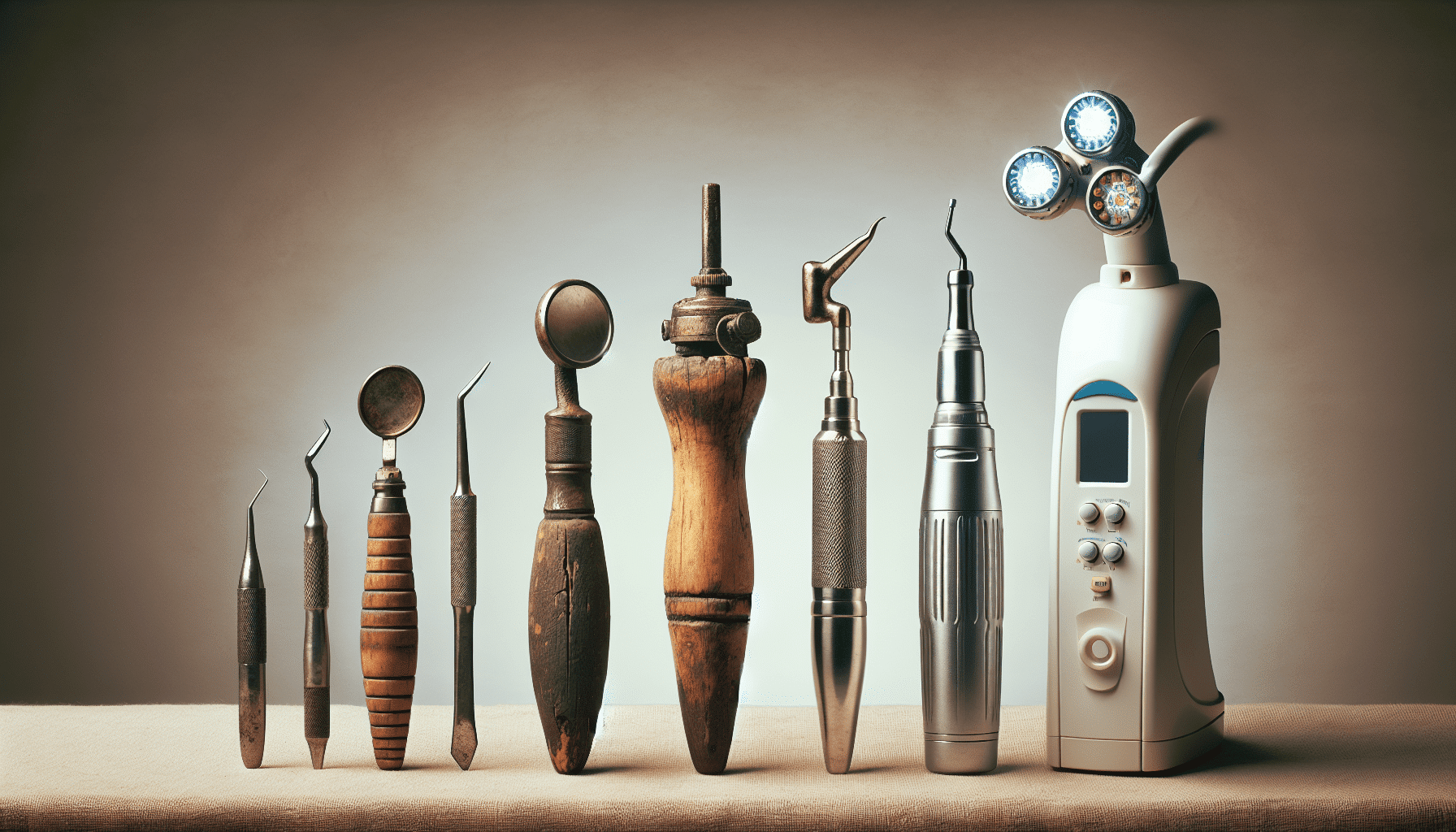
The journey of cosmetic dentistry is rich and complex, revealing much about humanity’s quest for beauty, health, and self-expression. From the ancient Egyptians to modern dental practices, we see a reflection of societal values and desires stoked by a passion for improvement and aesthetic appeal.
As you consider your own dental needs, remember that the field of cosmetic dentistry offers a wealth of options tailored to enhance not just your smile, but your overall confidence. The conversations about ethics, culture, and innovation surrounding this evolving field invite you to think deeply about how you wish to navigate your journey in pursuit of a perfect smile.


