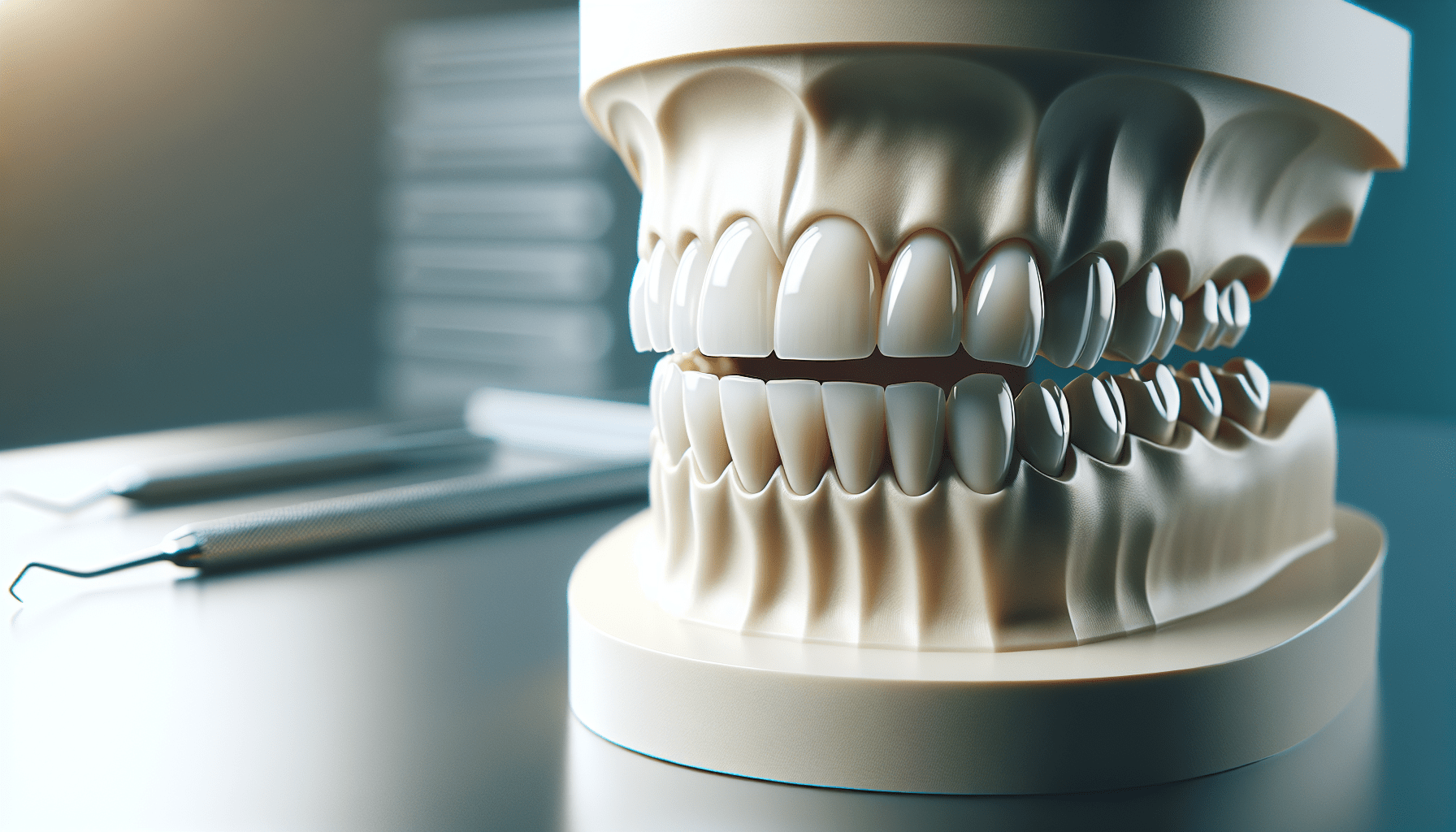
Have you ever looked in the mirror and wished your smile looked different? The way we feel about our smiles can have a profound impact on our self-esteem and how we connect with others. In the world of cosmetic dentistry, creating a smile that complements your personality and enhances your features is both an art and a science. Let’s unravel how smile design comes into play in this fascinating field.

Understanding Smile Design
The concept of smile design is rooted in the interplay of art and science. It’s about crafting a smile that not only aligns with optimal dental health but also embodies beauty and individuality. By incorporating principles of aesthetics and dental functionality, cosmetic dentists merge these elements to create a harmonious smile tailored to you.
The Components of Smile Design
Several key factors contribute to an effective smile design. Each element plays a vital role in how your smile appears and feels.
1. Proportions
The proportions of your teeth, gums, and overall facial structure greatly contribute to the beauty of your smile. A well-balanced smile often has a defined width, height, and proportionate relationship between teeth and gums. This balance helps in achieving symmetry, which is typically perceived as attractive.
2. Tooth Color
The color of your teeth can significantly impact your overall smile. Ideally, teeth should appear bright and pearly white without being too artificial. Your cosmetic dentist may suggest various whitening options or veneers to achieve the desired shade, taking care to ensure that it complements your skin tone and personal style.
3. Tooth Shape and Size
Teeth come in a variety of shapes and sizes, each expressing a different character. For instance, square-shaped teeth might evoke a strong personality, while rounded teeth may convey a softer, more approachable demeanor. Your cosmetic dentist will evaluate which shapes and sizes align with your perceived personality and facial features.
4. Gum Health and Contour
The health and shape of your gums play an essential role in the aesthetics of your smile. A smile can appear less attractive if the gums are uneven or if they overpower the teeth. Your dentist can assist in contouring your gums to create a more balanced look, also addressing any issues related to gum disease.
The Psychology of a Smile
Your smile is powerful; it communicates a multitude of emotions and conveys your personality. Research shows that a genuine smile can increase acceptance and can even lead to positive social interactions. Understanding the psychology behind smiles can also guide the desired outcome of smile design.
1. Cultural Influences
Different cultures can hold varying perceptions of what constitutes an ideal smile. In some cultures, a broader smile may be seen as inviting, while in others, a more reserved expression may be preferred. Your cosmetic dentist will take into account your cultural background and personal preferences when designing your smile.
2. Individuality
While there are aesthetic guidelines, it’s crucial that your smile reflects who you are. The uniqueness of your smile should be captured in the design process. That may involve altering the typically accepted norms to fit your personality and expressions, leading to a smile that truly feels like yours.
The Smile Design Process
Crafting a smile that perfectly suits you is a journey that requires collaboration between you and your cosmetic dentist. Understanding the steps in the smile design process can help you feel more comfortable and confident.
Initial Consultation
The foundation of smile design starts with an initial consultation. This step provides an opportunity for you to discuss your concerns, desires, and expectations for your smile. Your dentist will likely perform a comprehensive examination of your dental health and aesthetic preferences during this consultation.
Digital Smile Design Technology
Advancements in technology, particularly digital smile design (DSD), have transformed the way smiles are created. By using specific software, your dentist can simulate what your new smile will look like before any treatments take place. This interactive process allows you to visualize changes and actively participate in the design of your smile.
Treatment Plan Development
Once you and your dentist have a clear vision of your ideal smile, a customized treatment plan will be developed. This plan may include various procedures, such as teeth whitening, bonding, veneers, braces, or even surgery, depending on what is necessary to achieve your goals.
Implementing the Design
After the treatment plan is established, you’re ready to begin the transformation! This stage may involve multiple appointments and procedures to ensure the best possible results. Your dentist will guide you through each step, ensuring your comfort and satisfaction throughout the journey.

The Role of Cosmetic Dentistry in Smile Design
Cosmetic dentistry employs various techniques and procedures to enhance your smile, blending the art of aesthetics with dental science.
Teeth Whitening
One of the most popular cosmetic dental procedures is teeth whitening. Many people seek whiter teeth to brighten their smile, and there are options available ranging from in-office treatments to at-home kits. Your dentist will work with you to decide on the best method for achieving the desired results without compromising your dental health.
Veneers
Veneers are thin, custom-made shells that cover the front surface of your teeth. They can correct a range of issues, such as discoloration, chips, or misalignments. The beauty of veneers lies in their ability to transform your smile seamlessly while maintaining a natural appearance.
Bonding
Dental bonding is a process that involves applying a tooth-colored resin to repair chips, gaps, or other imperfections. This procedure is minimally invasive and can often be completed in a single visit, providing a quick and affordable way to enhance your smile.
Orthodontics
Braces or aligners are essential for those looking to straighten their teeth or improve their bite. While traditional metal braces are still in use, newer options like clear aligners offer a discreet solution that is popular among adults and teens. Your dentist will evaluate the best path for you to achieve the straight smile you desire.
Aftercare and Maintenance of Your New Smile
Once you’ve undergone the transformation, the journey doesn’t end there. Proper aftercare and maintenance play a crucial role in ensuring your new smile stays bright and beautiful.
Regular Dental Checkups
Maintaining regular dental checkups is vital for the health of your smile. These appointments allow your dentist to monitor your oral health and catch any potential issues early on, ensuring your investments remain intact.
Daily Oral Hygiene Routine
You need to establish and maintain a comprehensive oral hygiene routine that includes brushing, flossing, and using mouthwash. This routine helps prevent plaque buildup, cavities, and gum disease that can compromise the longevity of your smile design.
Lifestyle Choices
Your lifestyle choices can greatly affect the appearance of your smile. Smoking, excessive coffee or tea consumption, and sugary foods can lead to discoloration and dental issues. Being mindful of your habits and making healthier choices will aid in preserving your new smile.

The Future of Smile Design in Cosmetic Dentistry
The field of cosmetic dentistry is continually evolving, with innovative techniques and materials emerging regularly. Keeping up with trends ensures that you will have access to the most effective options for smile design.
Advanced Technologies
New technologies such as 3D printing, laser dentistry, and improved materials for fillings and crowns are changing the landscape of smile design. These advancements improve accuracy, reduce recovery times, and enhance overall outcomes.
Personalized Treatments
The future of smile design leans toward personalization. Using genetic information and advanced imaging techniques, dentists can create tailored treatments that suit individual needs on a deeper level. This personalization aims for a more holistic approach that combines health, aesthetics, and functionality.
Tele-Dentistry
Tele-dentistry is gaining traction and could be a cornerstone of the future in dental care. Remote consultations allow patients to communicate with their cosmetic dentists, ensuring that distance does not limit access to quality care.
Conclusion
You have the power to shape your smile and, by extension, your confidence and interactions with the world. The art and science of smile design in cosmetic dentistry allow for a beautifully tailored approach to creating a smile that is uniquely yours. By understanding the intricate components of smile design, the processes involved, and how to care for your smile, you are well on your way to achieving the radiant smile you desire.
Whether it’s through traditional techniques or the latest technology, the journey may require patience and collaboration, but in the end, you’ll find that the effort is truly worth it. Your smile is an expression of who you are, and through the skillful hands of a cosmetic dentist, you can ensure it reflects your best self for years to come.