
Veneers are thin shells made from either porcelain or composite resin that are custom-designed to cover the front surface of your teeth. They serve both aesthetic and functional purposes, allowing you to achieve a more uniform and appealing smile. If you have imperfections such as chips, stains, or gaps in your teeth, veneers can provide a solution that enhances your overall appearance.
The process typically involves a consultation with a dental professional, who will assess your needs and determine the best course of action for your smile transformation. The application of veneers is a popular cosmetic dental procedure, as they can dramatically improve the look of your teeth with minimal invasiveness. You may find that veneers can correct issues like discoloration, misalignment, or irregular shapes, giving you the confidence to smile freely.
The versatility of veneers makes them an attractive option for many individuals seeking to enhance their dental aesthetics.
Key Takeaways
- Veneers are thin shells made of porcelain or composite resin that are bonded to the front surface of teeth to improve their appearance.
- Temporary veneers offer a quick and reversible solution for cosmetic issues, but they may not be as durable or natural-looking as permanent veneers.
- Permanent veneers provide a long-lasting and natural-looking solution for cosmetic dental issues, but they require more extensive preparation and are irreversible.
- The cost of temporary veneers is generally lower than that of permanent veneers, making them a more affordable option for some patients.
- While temporary veneers may need to be replaced more frequently, proper maintenance and care can help extend the longevity of both temporary and permanent veneers.
Temporary Veneers: Pros and Cons
Temporary veneers are often used as a short-term solution while you wait for your permanent veneers to be crafted. One of the primary advantages of temporary veneers is that they allow you to experience the look and feel of your new smile before committing to a permanent solution. This can be particularly beneficial if you are unsure about the final outcome or if you want to make adjustments before the final placement.
Additionally, temporary veneers can protect your teeth from further damage during the waiting period. However, there are also drawbacks to consider when it comes to temporary veneers. They are typically less durable than their permanent counterparts and may not withstand the same level of wear and tear.
You might find that they can chip or stain more easily, which could lead to dissatisfaction if you are expecting a flawless appearance. Furthermore, temporary veneers may not fit as snugly as permanent ones, which can result in discomfort or an unnatural feel in your mouth.
Permanent Veneers: Pros and Cons
Permanent veneers offer a long-lasting solution for those looking to enhance their smiles. One of the most significant benefits of permanent veneers is their durability; they are designed to withstand daily wear and tear, making them a reliable choice for long-term use. With proper care, you can expect your permanent veneers to last for many years, providing you with a beautiful smile that boosts your confidence.
On the flip side, the process of getting permanent veneers is more involved than that of temporary ones. It typically requires multiple visits to your dentist, including consultations, fittings, and adjustments. Additionally, once you opt for permanent veneers, the process is irreversible; a small amount of enamel is usually removed from your natural teeth to accommodate the veneers.
This means that if you ever decide to remove them, you will need to consider alternative solutions for restoring your teeth.
Cost Comparison between Temporary and Permanent Veneers
When it comes to cost, there is a notable difference between temporary and permanent veneers. Temporary veneers are generally less expensive upfront, making them an attractive option for those on a budget or who want to test the waters before committing to a more significant investment. However, it’s essential to consider that temporary veneers may need to be replaced more frequently due to their lower durability, which could lead to higher costs over time.
In contrast, while permanent veneers come with a higher initial price tag, they often prove to be more cost-effective in the long run. Since they are designed for longevity and require less frequent replacement, you may find that investing in permanent veneers saves you money over time. Additionally, many dental insurance plans may cover a portion of the costs associated with permanent veneers, further offsetting the expense.
Durability and Longevity of Temporary Vs Permanent Veneers
Durability is a crucial factor when comparing temporary and permanent veneers. Temporary veneers are typically made from less robust materials, which means they are more susceptible to chipping and staining. You might find that they last anywhere from a few weeks to a few months, depending on your oral habits and care routine.
If you lead an active lifestyle or have dietary preferences that include hard or sticky foods, you may need to be particularly cautious with temporary veneers. On the other hand, permanent veneers are crafted from high-quality materials like porcelain or advanced composite resins that offer superior strength and resilience. With proper maintenance and care, permanent veneers can last anywhere from 10 to 15 years or even longer.
This longevity makes them an appealing option for those looking for a lasting solution to their dental concerns. You’ll likely appreciate the peace of mind that comes with knowing your investment in permanent veneers will serve you well for years to come.
Maintenance and Care for Temporary Vs Permanent Veneers
Caring for your veneers is essential for maintaining their appearance and longevity, but the maintenance routines differ between temporary and permanent options. For temporary veneers, you should be particularly cautious about your oral hygiene practices. Since they are less durable, it’s advisable to avoid hard foods and sticky candies that could dislodge or damage them.
Regular brushing and flossing are still important; however, you may want to use a softer toothbrush and gentle toothpaste to avoid causing any wear on the temporary material. In contrast, maintaining permanent veneers involves similar oral hygiene practices but with added benefits due to their durability. You can brush and floss as you normally would without as much concern about damaging them.
However, it’s still wise to avoid overly abrasive products that could scratch the surface of porcelain veneers. Regular dental check-ups will also help ensure that your permanent veneers remain in excellent condition and allow your dentist to address any potential issues before they become significant problems.
Cosmetic Differences between Temporary and Permanent Veneers
The cosmetic differences between temporary and permanent veneers can be quite pronounced. Temporary veneers are often designed quickly and may not have the same level of customization as permanent options. While they can provide a glimpse into what your smile could look like, they may not achieve the same level of aesthetic perfection as their permanent counterparts.
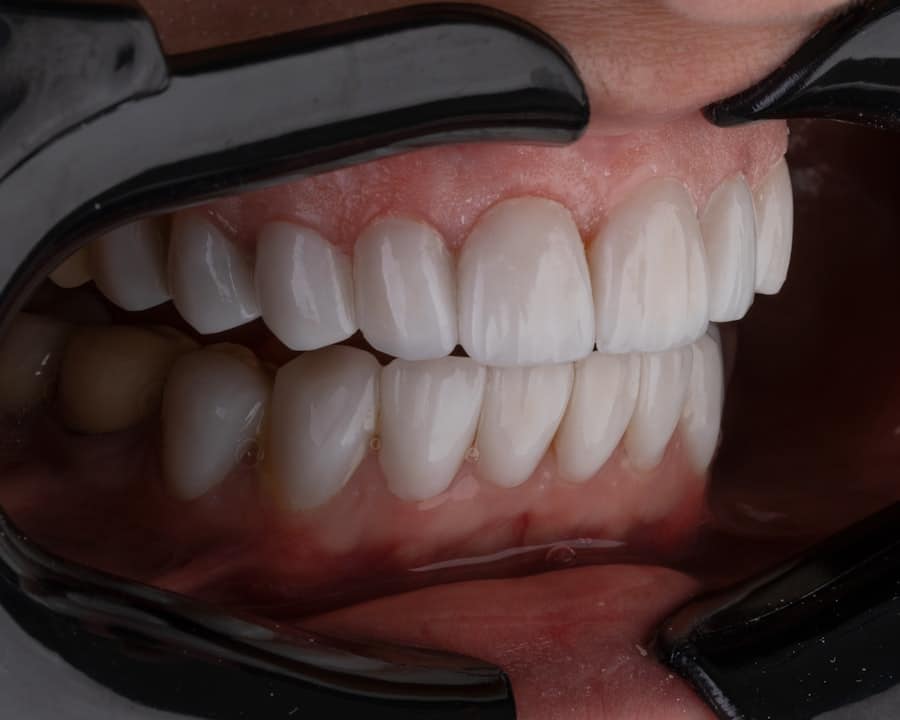
You might notice variations in color matching or shape that could detract from the overall appearance of your smile. Permanent veneers, on the other hand, are meticulously crafted to match your natural teeth in color, shape, and size. Your dentist will work closely with you during the design process to ensure that the final product meets your expectations and enhances your facial aesthetics.
The result is often a seamless integration with your existing teeth that looks natural and beautiful. This attention to detail is one of the primary reasons many individuals choose permanent veneers over temporary options.
Considerations for Choosing Between Temporary and Permanent Veneers
When deciding between temporary and permanent veneers, several factors should influence your choice. First and foremost, consider your goals for your smile transformation. If you’re looking for a quick fix or want to test out how veneers will look on you before making a long-term commitment, temporary veneers might be the right choice.
They allow you to experience an improved smile without fully committing right away. However, if you’re ready for a lasting change and want a solution that offers durability and aesthetic appeal over time, permanent veneers may be more suitable for you. Think about your budget as well; while temporary options may seem more affordable initially, consider the long-term costs associated with replacements versus investing in something more durable from the start.
Ultimately, consulting with a dental professional can provide valuable insights tailored specifically to your needs and help guide you toward making an informed decision about which type of veneer is best for you.
If you are considering getting veneers, it is important to understand the difference between temporary and permanent veneers. Temporary veneers are a short-term solution that can be used while waiting for permanent veneers to be made. However, permanent veneers are a long-lasting solution that can provide a more permanent fix for cosmetic dental issues. For more information on the benefits of permanent veneers, check out this article on top cosmetic dentist in Newton, MA.
FAQs
What are temporary veneers?
Temporary veneers are thin shells made of composite resin or acrylic material that are placed over the front surface of the teeth to improve their appearance. They are designed to be a temporary solution while waiting for permanent veneers to be made.
What are permanent veneers?
Permanent veneers are thin shells typically made of porcelain that are custom-made to fit over the front surface of the teeth. They are designed to be a long-term solution for improving the appearance of the teeth.
How long do temporary veneers last?
Temporary veneers are designed to last for a few weeks to a few months, depending on the individual’s oral hygiene habits and the materials used to make the veneers.
How long do permanent veneers last?
Permanent veneers can last for 10-15 years or even longer with proper care and maintenance. However, they may need to be replaced eventually due to wear and tear.
What are the differences between temporary and permanent veneers?
Temporary veneers are made of composite resin or acrylic material, while permanent veneers are typically made of porcelain. Temporary veneers are designed to be a short-term solution, while permanent veneers are intended to be a long-term solution. Permanent veneers are custom-made to fit the individual’s teeth, while temporary veneers are usually prefabricated and then adjusted to fit.
Can temporary veneers be used as a permanent solution?
Temporary veneers are not designed to be a permanent solution and are not as durable as permanent veneers. They are meant to be a temporary fix while waiting for permanent veneers to be made.
Can permanent veneers be removed?
Permanent veneers are typically bonded to the teeth using a strong dental adhesive and are intended to be a long-term solution. While it is possible to remove permanent veneers, it usually requires the assistance of a dentist and may result in damage to the underlying tooth structure.


