
Teeth whitening has become a popular cosmetic procedure, embraced by many seeking a brighter, more confident smile. In a world where first impressions matter, the allure of pearly white teeth is undeniable. You may find yourself drawn to the idea of whitening your teeth, whether for a special occasion, a job interview, or simply to enhance your everyday appearance.
The market is flooded with various products and treatments, ranging from over-the-counter whitening strips to professional dental procedures. Each option promises to deliver a dazzling smile, but it’s essential to understand the implications of these choices. As you consider teeth whitening, it’s crucial to weigh the benefits against potential risks.
While a brighter smile can boost your self-esteem and improve your overall appearance, the journey to achieving that smile may not be as straightforward as it seems. You might be tempted to dive into the world of whitening without fully understanding the consequences. This article aims to shed light on the potential risks associated with teeth whitening, ensuring you make an informed decision about your dental health.
Key Takeaways
- Teeth whitening is a popular cosmetic procedure that can help improve the appearance of teeth.
- Potential risks of teeth whitening include sensitivity, irritation, damage to tooth enamel, gum irritation, and potential allergic reactions.
- Sensitivity and irritation are common side effects of teeth whitening, but they are usually temporary and can be managed with desensitizing toothpaste.
- Damage to tooth enamel can occur if teeth whitening products are used incorrectly or too frequently, leading to increased tooth sensitivity and potential tooth decay.
- Gum irritation and damage can occur if whitening products come into contact with the gums, causing inflammation and potential damage to the soft tissue.
Potential Risks of Teeth Whitening
When embarking on any cosmetic procedure, it’s vital to be aware of the potential risks involved. Teeth whitening is no exception. While many people experience positive results, others may encounter adverse effects that can lead to discomfort or even long-term damage.
As you explore your options for achieving a whiter smile, consider the various factors that could impact your dental health. Understanding these risks will empower you to make choices that align with your well-being. One of the most significant concerns surrounding teeth whitening is the variability in individual responses to whitening agents.
What works wonders for one person may not yield the same results for another. Factors such as existing dental conditions, the natural color of your teeth, and even your oral hygiene habits can influence the effectiveness and safety of whitening treatments. Therefore, it’s essential to consult with a dental professional before starting any whitening regimen to ensure that you are a suitable candidate for the procedure.
Sensitivity and Irritation
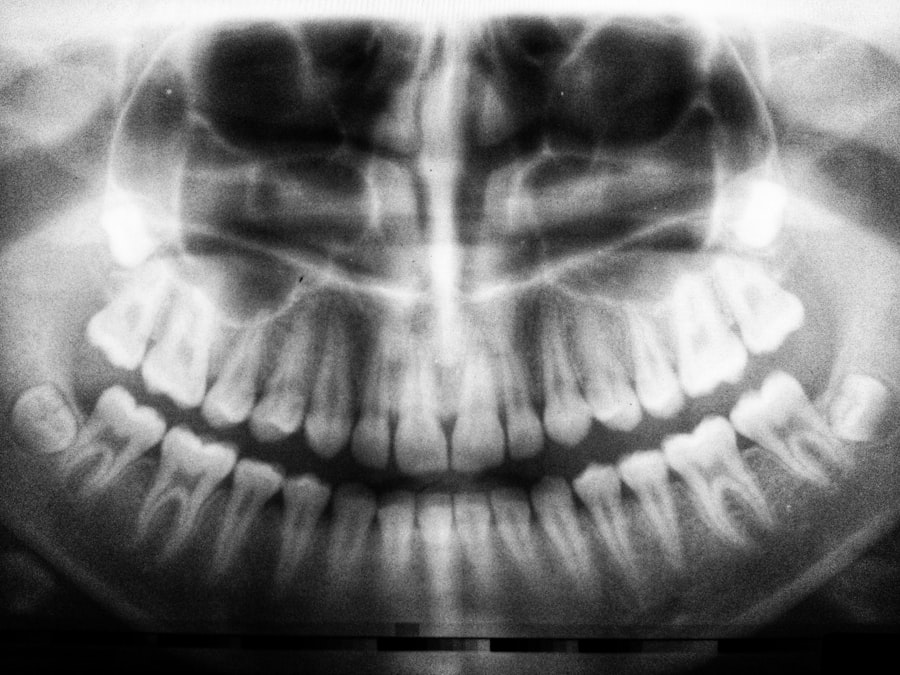
One of the most common side effects associated with teeth whitening is increased tooth sensitivity. If you’ve ever experienced a sharp pain when consuming hot or cold foods and beverages, you know how uncomfortable this can be. Whitening agents often penetrate the enamel and reach the underlying dentin, which can lead to heightened sensitivity in some individuals.
As you consider whitening options, be prepared for the possibility that your teeth may react negatively to the treatment. In addition to sensitivity, you may also experience irritation in your gums and soft tissues of your mouth. The chemicals used in many whitening products can cause inflammation or discomfort if they come into contact with sensitive areas.
If you notice any signs of irritation during or after treatment, it’s crucial to discontinue use and consult with your dentist. They can provide guidance on how to alleviate discomfort and recommend alternative methods for achieving a whiter smile without compromising your oral health.
Damage to Tooth Enamel
Tooth enamel is the hard outer layer that protects your teeth from decay and damage. While many whitening products are designed to be safe for enamel, there is still a risk of erosion if used improperly or excessively. As you consider whitening treatments, it’s essential to understand how these products interact with your enamel.
Overuse or misuse of whitening agents can lead to thinning enamel, making your teeth more susceptible to cavities and other dental issues. Moreover, once enamel is damaged, it cannot regenerate itself. This means that any harm done during the whitening process could have long-lasting consequences for your dental health.
To protect your enamel while still achieving a brighter smile, consider discussing your options with a dental professional who can recommend safe and effective treatments tailored to your needs.
Gum Irritation and Damage
In addition to potential damage to tooth enamel, gum irritation is another concern when it comes to teeth whitening. Many whitening products contain strong bleaching agents that can irritate the gums if they come into contact with them. If you’re using at-home whitening kits or strips, it’s essential to follow the instructions carefully and avoid applying the product too liberally.
Neglecting this precaution could lead to painful gum irritation or even chemical burns in severe cases. If you experience any discomfort in your gums during or after treatment, it’s crucial to seek advice from your dentist. They can assess the situation and recommend appropriate measures to alleviate irritation or damage.
Additionally, maintaining good oral hygiene practices during your whitening journey can help minimize the risk of gum issues and ensure that your smile remains healthy and vibrant.
Potential Allergic Reactions
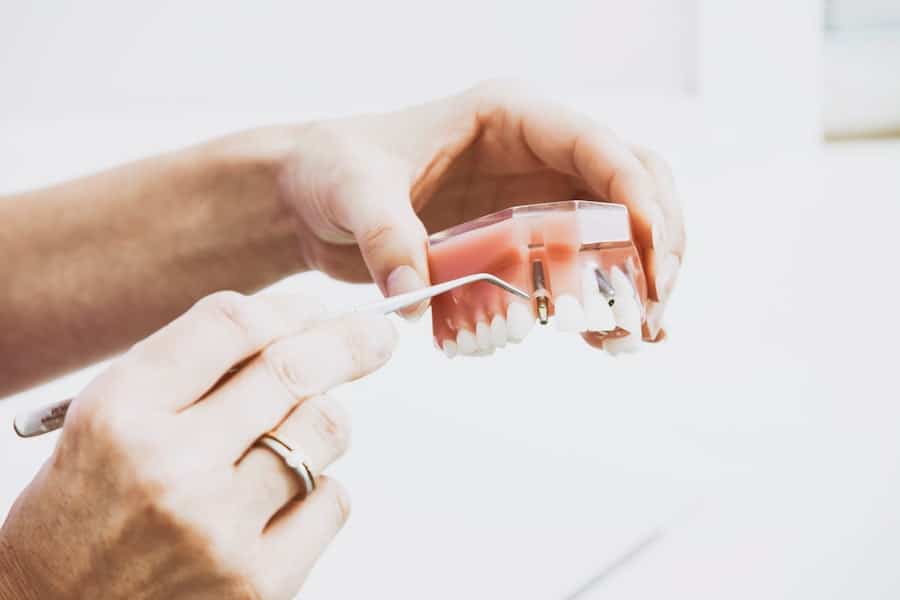
While rare, allergic reactions to teeth whitening products can occur. If you have sensitive skin or a history of allergies, it’s essential to approach teeth whitening with caution. Some individuals may react negatively to specific ingredients found in whitening agents, leading to symptoms such as swelling, redness, or itching in the mouth or surrounding areas.
Before starting any whitening treatment, consider performing a patch test on a small area of skin or consulting with your dentist about potential allergens. If you notice any unusual symptoms after using a whitening product, discontinue use immediately and seek medical attention if necessary. Your health should always take precedence over cosmetic desires, and understanding your body’s reactions will help you make informed choices about your dental care.
Overuse and Misuse of Whitening Products
The desire for a brighter smile can sometimes lead individuals to overuse or misuse teeth whitening products. Whether it’s applying strips more frequently than recommended or using multiple products simultaneously, these practices can have detrimental effects on your oral health. Overuse can exacerbate sensitivity issues and increase the risk of enamel erosion and gum irritation.
To avoid these pitfalls, it’s essential to adhere strictly to the instructions provided with any whitening product you choose. If you’re unsure about how often to use a particular treatment or whether it’s suitable for you, don’t hesitate to consult with your dentist. They can provide personalized recommendations based on your dental history and goals, ensuring that you achieve a whiter smile safely and effectively.
When considering teeth whitening options, you’ll likely encounter two primary categories: professional treatments administered by dentists and at-home products available over-the-counter. Each option has its advantages and disadvantages, making it essential for you to evaluate which approach aligns best with your needs and preferences. Professional teeth whitening typically offers more immediate and dramatic results compared to at-home treatments.
Dentists use stronger bleaching agents and advanced techniques that can significantly lighten your teeth in just one visit. However, this option often comes at a higher cost than over-the-counter products. If you’re looking for quick results and are willing to invest in your smile, professional whitening may be worth considering.
On the other hand, at-home teeth whitening products provide convenience and affordability but may require more time and patience for noticeable results. These products come in various forms, including strips, gels, and trays, allowing you to choose what works best for your lifestyle. However, it’s crucial to select reputable brands and follow instructions carefully to minimize risks associated with sensitivity and damage.
Ultimately, whether you opt for professional or at-home teeth whitening will depend on your individual circumstances and preferences. Regardless of which path you choose, being informed about potential risks will help you navigate the journey toward achieving a brighter smile while prioritizing your oral health.
Teeth whitening has become a popular cosmetic dental procedure, but it is important to be aware of the potential safety risks involved. According to a recent article from Orthodontic Specialists of Lake County, over-the-counter whitening products can cause sensitivity, gum irritation, and even damage to the enamel if not used properly. It is crucial to consult with a professional, such as a cosmetic dentist in Columbus, Ohio or a cosmetic dentist in Boise City, Idaho, before undergoing any teeth whitening treatment to ensure it is done safely and effectively.
FAQs
What are the common safety risks associated with teeth whitening?
Some common safety risks associated with teeth whitening include tooth sensitivity, gum irritation, and potential damage to the enamel of the teeth.
Can teeth whitening products cause harm to the gums?
Yes, teeth whitening products can cause harm to the gums if they come into contact with them. This can result in gum irritation and discomfort.
Is it possible to damage the enamel of the teeth with teeth whitening products?
Yes, overuse or misuse of teeth whitening products can potentially damage the enamel of the teeth, leading to increased tooth sensitivity and other dental issues.
Are there any long-term risks associated with teeth whitening?
Long-term risks of teeth whitening may include increased tooth sensitivity and potential damage to the enamel if the products are not used as directed.
What are some ways to minimize the safety risks of teeth whitening?
To minimize the safety risks of teeth whitening, it is important to follow the instructions provided with the whitening products, avoid overuse, and consult with a dentist before beginning any whitening treatment.


