
Have you ever looked in the mirror and thought about how a brighter smile could transform your day? A smile can do wonders, not just for your appearance but also for your confidence. Teeth whitening has become an increasingly popular option for those seeking a more natural-looking and radiant smile. In this piece, let’s journey through the world of teeth whitening, understanding the processes involved, the options available, and how to achieve that naturally beautiful smile you desire.

Understanding Teeth Discoloration
Before embarking on the journey of teeth whitening, it’s essential to understand why teeth discoloration occurs. Over time, various factors contribute to a change in your teeth’s shade.
Common Causes of Teeth Discoloration
- Food and Beverage Stains: Foods like berries, soy sauce, and beverages such as coffee and red wine can stain your teeth.
- Tobacco Use: Smoking or chewing tobacco leads to significant discoloration.
- Aging: As you age, the enamel on your teeth wears down, revealing the yellow dentin underneath.
- Medications: Some antibiotics, antihistamines, and blood pressure medications can lead to stains.
- Genetics: Just like hair and eye color, your natural tooth color could be a result of your genetic makeup.
Understanding these factors can help you address them in your path to a brighter smile.
The Benefits of Teeth Whitening
You might be wondering why you should consider teeth whitening. Beyond the obvious cosmetic appeal, there are several benefits that come with a whiter smile.
Enhances Self-Confidence
A brighter smile can uplift your self-esteem. When you feel good about your appearance, it reflects in your interactions with others.
Creates a Positive First Impression
Your smile is often the first thing people notice about you. A whiter smile can create a lasting positive impact during introductions or interviews.
Promotes Oral Hygiene Awareness
Investing in your smile often leads to a greater awareness of your overall oral health. You may find yourself being more diligent in your dental hygiene routine.

Options for Teeth Whitening
There are several methods of teeth whitening available today. Each comes with its unique advantages and potential drawbacks. Understanding these options will guide you in selecting the best method for your needs.
In-Office Whitening
In-office whitening, also known as professional whitening, is a popular choice due to its effectiveness and immediate results.
Pros:
- Quick Results: You can achieve a noticeably brighter smile in just one visit.
- Professional Supervision: A dentist monitors the process, ensuring safety and effectiveness.
- Custom Treatments: Your dentist tailors the procedure to your specific needs.
Cons:
- Cost: Professional treatments can be expensive, depending on the procedure.
- Sensitivity: Some individuals may experience heightened tooth sensitivity post-treatment.
At-Home Kits
At-home whitening kits offer a more convenient and often cost-effective way to achieve a brighter smile.
Pros:
- Affordability: Typically less expensive than in-office treatments.
- Flexibility: You can whiten your teeth at your convenience, often while doing other tasks.
Cons:
- Longer Duration: Results may take longer compared to in-office treatments.
- Variable Results: The effectiveness can differ based on the kit and individual user.
Whitening Toothpastes
Whitening toothpaste is often the most accessible option for maintaining your smile’s brightness.
Pros:
- Ease of Use: Just a part of your daily routine, making it simple to implement.
- Affordable: Generally more affordable than professional treatments.
Cons:
- Limited Results: They can only remove surface stains and may not significantly change your tooth color.
- Cumulative Effect: Results take time and consistency to appear.
Natural Remedies
Many people turn to natural remedies, believing them to be safer or more holistic.
Pros:
- Accessibility: Ingredients like baking soda or coconut oil are simple to find and use.
- Cost-Effective: Often cheaper than commercial products.
Cons:
- Effectiveness Varies: Not all natural remedies provide significant results.
- Risk of Damage: Some methods can damage enamel or gums if used excessively.
The Teeth Whitening Process
Understanding how each whitening method works can demystify the process and help you decide what’s best for you.
In-Office Whitening Process
- Initial Consultation: Your dentist will evaluate your dental health and discuss your goals.
- Preparation: Your dentist will protect your gums and lips before applying the whitening agent.
- Application: A high-concentration whitening gel is applied to your teeth, sometimes accompanied by a light to accelerate the process.
- Monitoring: The dentist monitors the process, ensuring optimal results while minimizing sensitivity.
At-Home Whitening Process
- Consultation: It’s often recommended to consult with your dentist before using any kit.
- Custom Trays: Some kits come with custom trays made from impressions of your teeth.
- Gel Application: You’ll apply the whitening gel in your trays, following the instructions provided.
- Duration: The trays can be worn for specified periods, usually from a few hours to overnight.
Daily Care During The Whitening Process
Regardless of the method, it’s critical to maintain good oral hygiene during your whitening journey.
- Brush Regularly: Continue brushing twice a day and flossing daily.
- Avoid Staining Foods/Drinks: Limit intake of staining foods and beverages during the treatment.
- Stay Hydrated: Drink plenty of water to help wash away food particles and acids.

Maintaining Your Bright Smile
Once you’ve achieved your desired brightness, maintaining it is key. Here are some tips to keep your smile looking its best:
Good Oral Hygiene
The foundation of any beautiful smile begins with excellent oral hygiene. Brush at least twice a day, floss daily, and don’t forget to visit your dentist regularly.
Dietary Adjustments
Being mindful of your diet can prolong the effects of whitening. Limiting foods and drinks that stain can make a significant difference.
Touch-Up Treatments
Periodic touch-ups can help maintain your result. This could be through at-home kits or occasional in-office visits, depending on your preference and budget.
Potential Risks and Side Effects
While teeth whitening is generally safe, there are some risks and side effects you should be aware of.
Tooth Sensitivity
One common side effect is increased tooth sensitivity, especially after in-office treatments. This can be temporary, but it’s essential to consult your dentist if it persists.
Gum Irritation
Some whitening agents can irritate the gums. Following the instructions carefully can help mitigate this risk.
Uneven Results
If not done correctly, you may end up with unevenly whitened teeth, especially if using at-home kits without professional guidance.
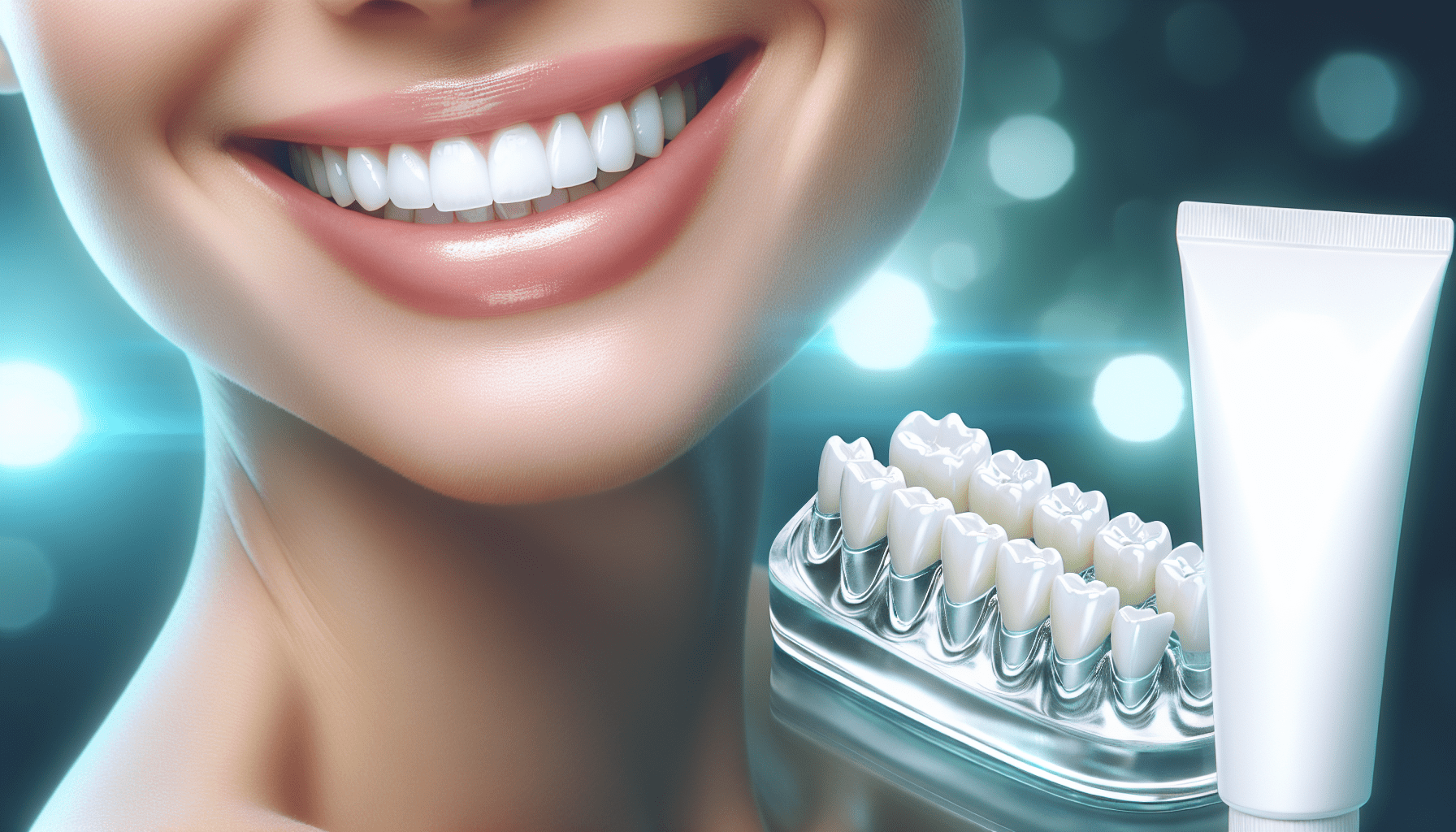
Conclusion: The Journey to a More Natural-Looking Smile
Your quest for a natural-looking, radiant smile doesn’t have to be overwhelming. With the right approach, knowledge, and a bit of patience, you can achieve the results you desire. Whether you choose to go with professional whitening or over-the-counter methods, understanding your options and maintaining your smile through diligent care will set you on the path to success.
By taking these steps and incorporating teeth whitening into your routine, you aren’t just enhancing your appearance; you’re investing in your self-confidence and overall well-being. Remember, a confident smile can light up any room, and you deserve to share that brightness with the world.


