
Have you ever found yourself wondering about the importance of dental aesthetics for your child? As parents, you want the best for your little ones, which extends beyond just their health— it encompasses their self-esteem and emotional well-being. When it comes to pediatric cosmetic dentistry, there’s a lot to consider, and understanding its nuances can make all the difference for your child’s smile.

What is Pediatric Cosmetic Dentistry?
Pediatric cosmetic dentistry focuses on enhancing the appearance of children’s teeth, gums, and overall smile aesthetics. This branch of dentistry isn’t just about maintaining oral health; it also plays a crucial role in how children perceive themselves. A beautiful smile can boost your child’s confidence and encourage them to engage socially with their peers.
The Role of Aesthetic Dentistry in Children’s Lives
Children often face pressures that can affect their self-image, from classroom presentations to social gatherings. Consequently, how they feel about their smiles can affect their confidence and interactions with others. Pediatric cosmetic dentistry addresses these concerns by offering treatments that enhance the visual appeal of their smiles.
Why is Pediatric Cosmetic Dentistry Important?
You might be wondering why pediatric cosmetic dentistry is necessary in the first place. The answer lies in the unique developmental needs and challenges that children face.
Building Self-Esteem
From the moment children begin to understand the world around them, they start to become aware of their features, especially their smiles. Children with teeth that are discolored, misaligned, or otherwise not visually appealing may struggle with confidence. Providing your child with a bright, attractive smile can foster a sense of self-worth.
Encouraging Good Oral Hygiene Habits
When your child receives cosmetic treatments, it often comes with education about maintaining oral hygiene. Dentists typically emphasize the importance of brushing, flossing, and regular check-ups, linking these habits to the appearance of their smile. This connection encourages long-term oral health practices.
Common Pediatric Cosmetic Dental Procedures
Understanding which procedures are available to your child can empower you to make informed decisions. These treatments can vary from simple whitening solutions to more complex procedures.
Teeth Whitening for Kids
While teeth whitening is commonly associated with adults, many children can benefit as well, particularly if they have discolored teeth due to staining or medications. It’s crucial to consult with your dentist to determine if teeth whitening is appropriate for your child, as younger teeth can be more sensitive.
- Types of Whitening Treatments
- In-Office Treatments: Professional whitening that offers immediate results.
- At-Home Kits: Dentist-prescribed kits that allow children to whiten their teeth at their own pace.
Dental Bonding
This technique can restore a child’s teeth that may be chipped, cracked, or discolored. Dental bonding involves applying a tooth-colored resin to the affected area, which is then shaped, polished, and hardened for a natural look.
- Benefits of Dental Bonding
- Quick and painless procedure.
- Cost-effective compared to crowns or veneers.
- Minimal removal of tooth structure.
Braces and Orthodontics
Crooked or misaligned teeth can have aesthetic implications, but beyond that, they can lead to issues with tooth wear and jaw alignment. Braces not only serve a cosmetic purpose but also contribute to your child’s overall oral health.
- Types of Braces
- Traditional Metal Braces: Still the most common.
- Clear Aligners: Discreet options like Invisalign.
- Lingual Braces: Placed behind the teeth for invisibility.
Dental Veneers
These are thin shells made from porcelain or composite resin that cover the front surface of teeth. They are effective for correcting issues like discoloration, gaps, or irregularly shaped teeth.
Space Maintainers
In cases where a child loses a baby tooth prematurely, space maintainers can hold the gap open until the adult teeth emerge. This ensures the proper positioning of permanent teeth while maintaining facial aesthetics.
Gum Contouring
Sometimes, a “gummy smile” can lead to self-consciousness. In such cases, gum contouring can reshape the gum line to create a more balanced smile.
Potential Concerns with Cosmetic Dentistry for Kids
While the benefits of pediatric cosmetic dentistry are clear, there are concerns that many parents have regarding these treatments.
Age Appropriateness
It’s important to consider whether certain cosmetic procedures are appropriate for your child’s age. Some treatments might not be suitable until certain teeth have fully developed, so consulting a dentist experienced in pediatric care is critical.
Sensitivity Issues
Children have more sensitive teeth than adults. Hence, some cosmetic procedures that involve whitening or bonding may come with discomfort. If your child has a low pain tolerance or anxiety about dental procedures, it’s essential to discuss these concerns with your dentist beforehand.
How to Choose the Right Pediatric Cosmetic Dentist
Selecting the right pediatric cosmetic dentist can make a significant difference in how positive the experience is for your child. Here are some key considerations to keep in mind during your search.
Look for Specialization in Pediatric Dentistry
While many dentists can provide cosmetic services, not all are specialized in children’s dental care. Pediatric dentists are trained to address the specific emotional and developmental needs of kids.
Examine Reviews and Recommendations
Word of mouth can be incredibly useful. Ask friends, family, or other parents for recommendations. Searching online reviews can also give you insight into the experiences other parents have had with various dentists.
Evaluate the Environment
Consider the atmosphere of the dental office. Is it child-friendly? Are the staff engaging and welcoming? A comforting environment can ease anxiety and help your child feel more secure.
Consultation Process
A good pediatric dentist should be willing to discuss options and listen to your concerns during an initial consultation. This conversation is crucial for establishing a rapport, not only between you and the dentist but also for your child.
Cost Considerations
Pediatric cosmetic dentistry can vary in cost significantly based on the specific procedures and the individual dental practice. Here are some factors to consider:
Insurance Coverage
Depending on your insurance provider, some procedures might be covered. It’s essential to review your plan or speak with a representative to determine what cosmetic dental work could fall under your benefits.
Payment Plans
Many dental offices offer flexible payment plans to accommodate families. Speak with the office staff about potential financing options if you’re concerned about upfront costs.
Long-Term Value of Procedures
Though cosmetic dental work can feel like an expenditure, consider it an investment in your child’s self-esteem and long-term oral health. A beautiful smile can foster confidence and social engagement, qualities that are invaluable throughout life.

Aftercare and Maintenance
Once you have chosen a procedure for your child, proper aftercare is essential for ensuring the longevity of the results.
Establish a Dental Care Routine
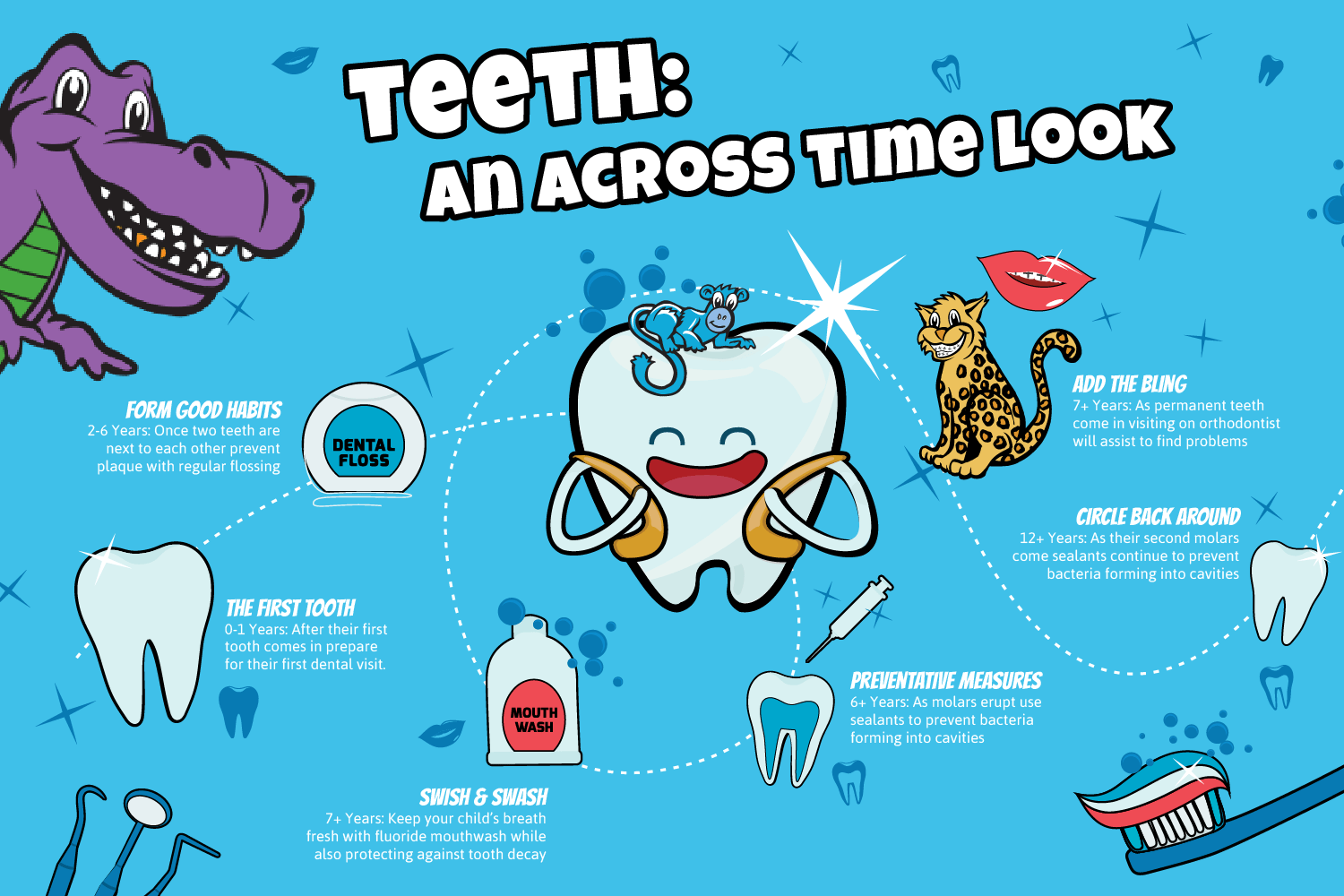
Encouraging your child to maintain good oral hygiene is crucial. This includes regular brushing, flossing, and routine visits to the dentist.
Follow-Up Appointments
After undergoing cosmetic procedures, your child’s dentist may schedule follow-up appointments to monitor progress and address any concerns that may arise.
When to Begin Cosmetic Dentistry?
It’s natural to wonder at what age you should consider cosmetic dentistry for your child.
Early Detection
In many cases, the earlier you address aesthetic issues, the easier and more effective the interventions will be.
Consultation Timing
If your child expresses concern about their teeth or smile, you shouldn’t hesitate to consult a dentist. An early consultation can help identify what, if any, cosmetic treatments might be necessary in the future.

Final Thoughts
Your child’s smile carries the weight of more than just dental aesthetics; it symbolizes confidence, happiness, and health. Understanding the realm of pediatric cosmetic dentistry empowers you to make choices that could impact your child’s present and future. By investing time in learning about these options, you’re taking essential steps towards supporting not just your child’s oral health but their emotional and social development as well.
Remember, a bright smile can illuminate the world, and you have the key to unlocking that potential for your child. Trust your instincts, consult with professionals, and nurture your child’s self-esteem—because every child deserves to smile with confidence.


