
Have you recently brightened your smile with some cosmetic dentistry? Perhaps you’ve had veneers placed, teeth whitened, or even crowns fitted. Now that the transformation is complete, how can you ensure that your smile remains as stunning as the day you left the dental office? Caring for your teeth after cosmetic procedures is essential for maintaining not only aesthetics but also overall oral health. This guide will walk you through how to care for your teeth post-cosmetic dentistry, ensuring your smile remains radiant and healthy.

Understanding the Basics of Post-Cosmetic Care
After undergoing cosmetic dentistry, your approach to oral hygiene may need some adjustments. The procedures you’ve received can alter the structure and sensitivity of your teeth, so being mindful of your care routine is crucial. Start by establishing a connection with your dentist to understand any specific instructions tailored to your treatment.
Why Post-Cosmetic Care Matters
Following cosmetic procedures, your teeth might be more vulnerable to certain issues such as sensitivity, decay, or discoloration. Proper care helps you avoid complications that could undermine your investment and maintain the health of your smile. It’s about nurturing your teeth just as you would nurture a new plant—give it the right care, and it will flourish.
Establishing a Routine for Oral Hygiene
Brushing Techniques
Brushing your teeth should be the foundation of your oral care routine. Here’s how to brush effectively after cosmetic dentistry:
-
Choose a Soft-Bristled Toothbrush: Consider using a soft-bristled toothbrush to avoid damaging any new dental work. Hard bristles can cause wear or cause irritation to your gums.
-
Use Fluoride Toothpaste: Opt for toothpaste that contains fluoride, as it helps remineralize your enamel and protects against decay. If you have veneers or whitening treatments, check with your dentist for toothpaste recommendations.
-
Timing Matters: Brush at least twice a day. For an enhanced routine, brush after meals to reduce plaque buildup, especially if you consume food and drinks that can stain your teeth.
-
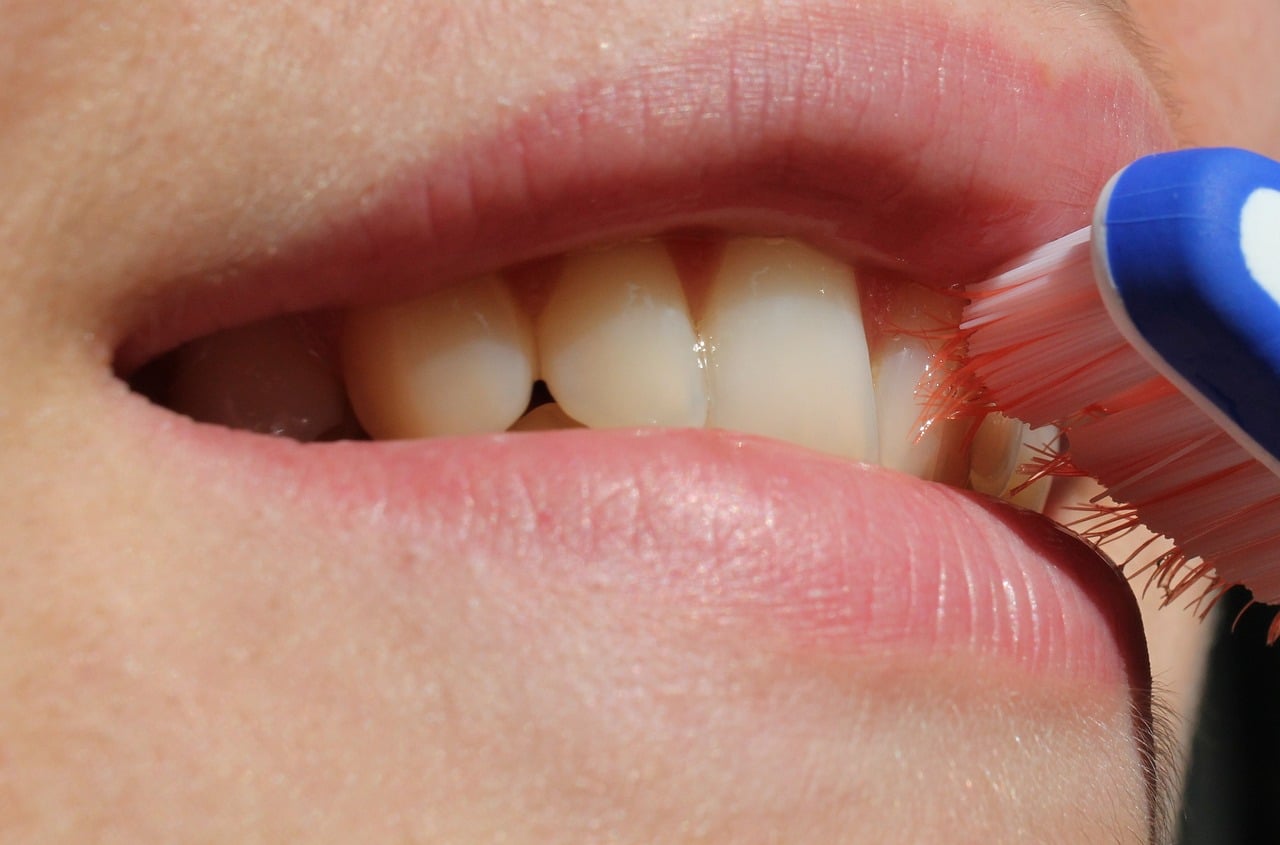
Technique is Key: Gently brush in circular motions rather than back and forth, which can create unnecessary abrasion on your teeth and gum line.
Flossing: An Essential Step
Flossing often gets overlooked, but it’s a crucial part of caring for your teeth. Here’s how to make it effective:
-
Daily Commitment: Make it a habit to floss daily. This helps remove food particles and plaque between your teeth, areas that your toothbrush may miss.
-
Gentle Approach: Use gentle motions when threading the floss between your teeth, especially near new dental work. Avoid snapping the floss against your gums to prevent irritation.
Mouthwash for Extra Protection
Investing time in your mouthwash routine can significantly benefit your dental health post-cosmetic work. Choose an alcohol-free mouthwash to avoid drying out your mouth and causing discomfort. Rinse with mouthwash daily, ideally twice a day, to help minimize bacteria and promote fresh breath.
Dietary Considerations After Cosmetic Dentistry
Foods to Embrace
What you eat significantly influences your dental work. Being mindful about your diet can lead to lasting results. Some foods you might want to include are:
| Food Type | Benefits |
|---|---|
| Fresh Fruits | High in water and nutrients, helping wash away debris. Avoid citrus if you have sensitive teeth. |
| Vegetables | Crunchy vegetables can naturally clean teeth and stimulate gums. |
| Dairy Products | Foods like yogurt are great for oral health; they can help strengthen enamel. |
| Whole Grains | Whole grains support overall health and prevent cravings for sugary snacks. |
Foods to Avoid
Conversely, some foods could compromise your cosmetic results. It’s wise to steer clear of:
| Food Type | Reasons |
|---|---|
| Hard Candies | They can break or chip dental work. |
| Dark-Colored Beverages | Coffee, red wine, and soda can stain your teeth. |
| Acidic Foods | Citrus fruits and vinegar can erode enamel. |
| Sugary Snacks | They can lead to cavities, prompting dental issues. |
Stay Hydrated
Don’t forget the importance of hydration! Drinking plenty of water helps your mouth wash away food particles and promotes saliva production, which is essential in neutralizing acids.
Managing Sensitivity and Discomfort
After cosmetic dentistry, it’s common to experience some sensitivity in your teeth. Knowing how to manage this discomfort is crucial for your comfort and confidence.
Over-the-Counter Remedies
-
Desensitizing Toothpaste: Using toothpaste designed for sensitive teeth can help alleviate discomfort. Look for products that contain potassium nitrate.
-
Pain Relievers: Over-the-counter pain medication may also be beneficial if you’re experiencing discomfort, but always consult with your dentist before using any medication.
When to Seek Help
If your sensitivity persists or worsens, it’s essential to reach out to your dentist. They can determine if there’s an underlying issue requiring immediate attention.
Regular Dental Checkups
Frequency of Visits
Even if you’re following an excellent oral hygiene routine, regular checkups with your dentist are indispensable. Schedule visits every six months or as your dentist recommends. During these appointments, your dentist will thoroughly clean your teeth and check the condition of any cosmetic work you’ve had done.
Purpose of Checkups
Checkups help in:
- Identifying Issues Early: Catching potential problems before they become significant issues can save you time and money in the long run.
- Maintaining Treatments: Your dentist can ensure that your veneers, crowns, or whitening treatments are in good shape and provide advice on any necessary maintenance.
Addressing Specific Cosmetic Treatments
Caring for Veneers
Veneers can give your smile a beautiful transformation, but they require special attention:
- Avoid Extreme Biting Forces: Don’t use your teeth to bite on hard objects, as this can cause veneers to chip.
- Use Night Guards: If you grind your teeth at night, investing in a custom night guard can protect both your natural teeth and your veneers.
Caring for Crowns
If you’ve had crowns fitted, these tips can help you care for them:
- Be Gentle with Hard Foods: Similar to veneers, be cautious when chewing tough or hard foods.
- Stay Away from Sticky Foods: Sticky candies can dislodge or damage crowns, so it’s best to avoid them.
Teeth Whitening Aftercare
If you’ve undergone teeth whitening procedures, your post-care matters significantly:
- Follow Up with Your Dentist: Discuss the best at-home whitening products with your dentist and how often you should use them.
- Avoid Staining Foods: For at least 48 hours post-whitening, you should avoid dark-colored foods or beverages that could lead to staining.
Choosing the Right Oral Care Products
Electric vs. Manual Toothbrushes
The debate between electric and manual toothbrushes continues. Each has its pros and cons:
- Electric Toothbrushes: These can be more effective in plaque removal if used correctly and are particularly beneficial for those with reduced mobility.
- Manual Toothbrushes: Easier to control and can be equally effective when applied correctly. The choice ultimately boils down to personal preference.
Selecting Toothpaste
When selecting toothpaste, make sure you consider:
- Sensitivity Protection: If you have sensitivity issues, opt for products formulated for this concern.
- Whitening Agents: If your treatment involved whitening, you might want toothpaste with whitening properties. Be cautious; some can be abrasive.
Embracing Your New Smile
After nurturing your teeth through proper care post-cosmetic dentistry, take a moment to appreciate the self-confidence and joy a beautiful smile brings. Your commitment to oral hygiene not only reflects love for yourself but also contributes to maintaining your smile for years to come.
Confidence in Every Smile
Every time you smile, you radiate confidence. This newfound radiance deservedly complements your effort in keeping your teeth and gums healthy. It’s about carrying that smile into the world, allowing your personality to shine through.

Conclusion
Your journey to an aesthetically pleasing smile doesn’t end when you leave the dental office. Caring for your teeth post-cosmetic dentistry is vital for maintaining both beauty and health. From your brushing technique to dietary choices, every small decision contributes to the longevity of your smile. Embrace these practices, stay consistent, and revel in the confidence that comes with a healthy, beautiful smile.
Ultimately, effective care is an ongoing relationship between you, your dental work, and your oral hygiene practices. Remember, a little effort goes a long way. In nurturing your smile, you embrace life with a sense of radiance that can light up any room.


