
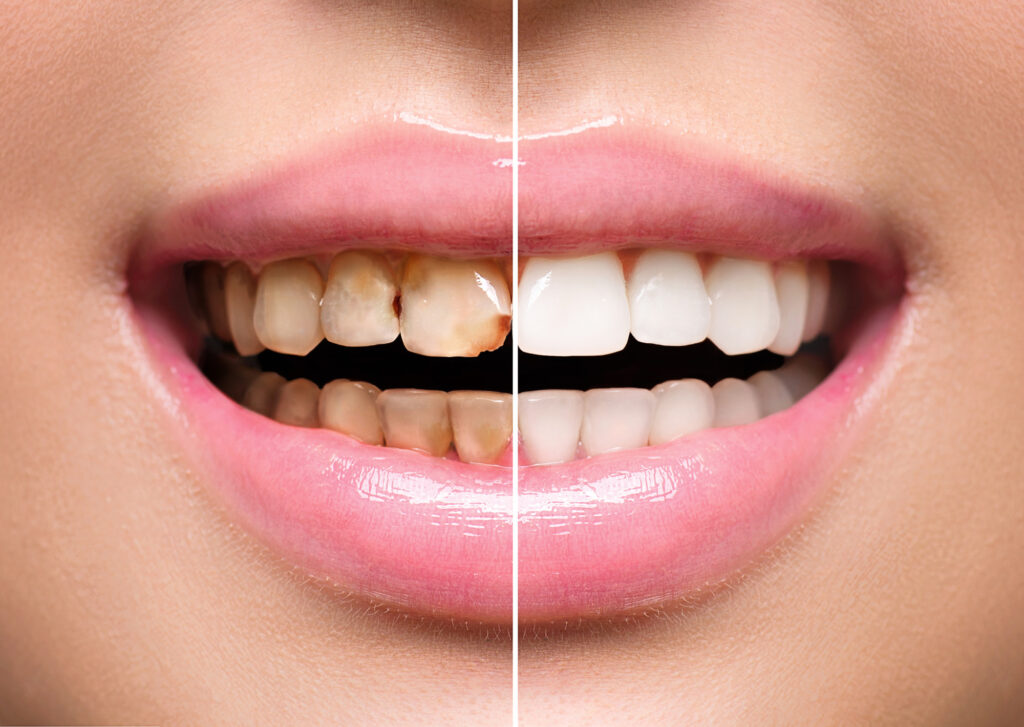
Are you considering getting veneers to enhance your smile? Well, you’ve come to the right place! In this article, we will explore the question on everyone’s mind: how long do veneers last? Veneers are a popular cosmetic dental procedure that can transform your teeth and give you the confidence to show off your pearly whites. But before you make the investment, it’s important to understand the lifespan of veneers and what factors can affect their longevity. So, let’s dive into the world of veneers and find out exactly how long they can last!
Factors Affecting Veneer Longevity
Oral hygiene
Maintaining good oral hygiene is essential for the longevity of your veneers. Brushing your teeth twice a day with a soft-bristled toothbrush and using an ADA-approved fluoride toothpaste will help keep your veneers clean and free from plaque buildup. Additionally, flossing daily and using an antimicrobial mouthwash will help prevent gum disease and maintain the health of your teeth and veneers.
Diet and lifestyle habits
Your diet and lifestyle habits can also impact the lifespan of your veneers. Avoiding hard and sticky foods, such as ice or caramel, can help prevent chipping or cracking of the veneer material. Additionally, reducing the consumption of acidic foods and beverages, such as sodas or citrus fruits, can help prevent the erosion of the veneer material over time. Quitting smoking and limiting alcohol consumption can also contribute to the longevity of your veneers.
Quality of veneer material
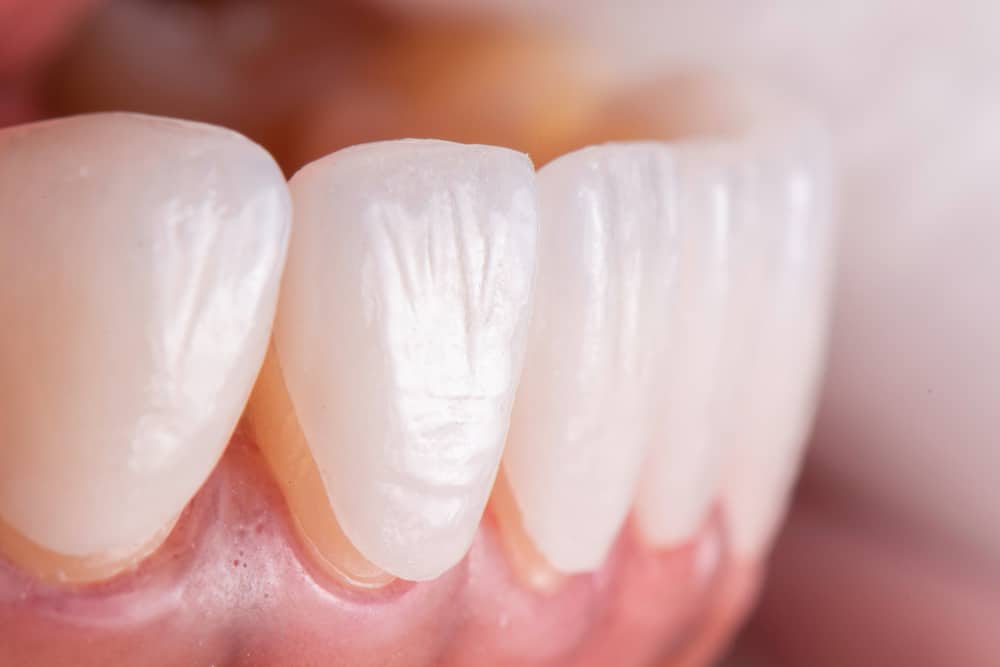
The quality of the veneer material used by your dentist is an important factor in determining how long your veneers will last. High-quality veneers made from durable materials, such as porcelain or composite resin, are more likely to withstand everyday wear and tear and resist staining. Cheap or low-quality veneers may not last as long and may require replacement sooner.
Skill and expertise of the dentist
The skill and expertise of your dentist also play a significant role in the longevity of your veneers. A dentist with experience in performing veneer procedures will ensure that the veneers are properly placed, bonded, and aligned with your natural teeth. A well-executed procedure minimizes the risk of premature veneer failure and ensures long-lasting results.
Biting and grinding habits
Your biting and grinding habits can put extra stress on your veneers and affect their lifespan. If you have a habit of clenching your jaw or grinding your teeth, known as bruxism, your dentist may recommend wearing a protective nightguard while you sleep. This custom-fitted mouthguard helps to cushion your teeth and veneers, reducing the risk of damage caused by excessive pressure.
Expected Lifespan of Veneers
Normal lifespan
On average, veneers can last anywhere from 10 to 15 years with proper care and maintenance. However, it’s important to note that the lifespan of veneers can vary depending on the individual’s oral hygiene practices, diet, lifestyle habits, and the quality of the materials used. Some veneers may last longer, while others may require replacement sooner.
Variations in lifespan
The lifespan of veneers can be influenced by various factors unique to each individual. For example, someone who diligently follows good oral hygiene practices, avoids harmful habits, and maintains a healthy lifestyle may experience their veneers lasting beyond the average lifespan. On the other hand, individuals with poor oral hygiene, unhealthy habits, or those who grind their teeth excessively may experience veneer failure sooner.
Maintenance and Care
Proper oral hygiene practices
To maintain the longevity of your veneers, it’s crucial to practice proper oral hygiene. Brush your teeth at least twice daily using a non-abrasive toothpaste, and make sure to reach all surfaces, including the area around the veneers. Flossing should be done once a day to remove plaque and debris from between your teeth. Lastly, using an antimicrobial mouthwash can help reduce bacteria and preserve the health of your gums.
Regular dental check-ups
Regular dental check-ups are vital to monitor the condition of your veneers and detect any early signs of wear or damage. Your dentist will thoroughly examine your veneers, teeth, and gums during these visits, ensuring they are in optimal condition. Professional cleanings can also help remove any stubborn stains and prevent the buildup of plaque, maintaining the aesthetics and durability of your veneers.
Avoiding certain foods and habits
Certain foods and habits can potentially damage or stain your veneers, reducing their lifespan. Avoid biting or chewing on hard objects like ice, pens, or fingernails, as this can cause chipping or cracking of the veneers. Additionally, minimize the consumption of foods and drinks that are highly pigmented or acidic, such as coffee, red wine, or citrus fruits, as these can stain or erode the veneer material.
Using a nightguard
If you have a habit of grinding your teeth or clenching your jaw, wearing a nightguard can significantly extend the lifespan of your veneers. A nightguard acts as a protective barrier, absorbing the forces generated during bruxism and preventing damage to your veneers. Your dentist can create a customized nightguard that fits comfortably over your teeth, providing the necessary cushioning and protection.
Signs of Veneer Wear and Degradation
Discoloration
Over time, veneers can become discolored due to exposure to certain foods, beverages, and habits. If you notice that your veneers have lost their natural brightness and appear dull or stained, it may be a sign that they need to be replaced. Regular professional cleanings and avoiding staining substances can help slow down the discoloration process.
Chipping or cracking
Chips or cracks in veneers can occur due to trauma, biting on hard objects, or simply from normal wear and tear over time. If you notice any chips or cracks on your veneers, it’s important to consult with your dentist. Depending on the extent of the damage, they will recommend either repairing or replacing the affected veneer to ensure the aesthetics and functionality are preserved.
Receding gumline
Receding gums can be a detrimental factor in veneer longevity. If your gums start to recede and expose the edges of your veneers, it can lead to both aesthetic and functional issues. Gum recession may be caused by gum disease, aggressive brushing, or other underlying factors. Regular dental check-ups can help detect gum recession early, allowing for timely intervention and preservation of the veneers.
Sensitivity or pain
Veneers that have been in place for a significant period may develop sensitivity or pain in response to temperature changes or pressure. This could indicate that the bonding material between the veneer and tooth has deteriorated or that there is an underlying issue. If you experience sensitivity or pain with your veneers, it’s essential to have them evaluated by your dentist to determine the cause and appropriate treatment.
Replacing Veneers
Evaluate the condition
Before replacing veneers, your dentist will thoroughly assess their condition and discuss your concerns and expectations. They will examine the veneers, adjacent teeth, and overall oral health to determine whether replacement is necessary. X-rays and dental impressions may be taken to aid in the evaluation process.
Factors influencing replacement
Several factors can influence the need for veneer replacement. These include extensive wear or damage, severe discoloration that cannot be resolved through cleaning or whitening procedures, changes in tooth alignment that affect veneer fit, or changes in the patient’s desires for aesthetics or correction of previous dental work.
The process of replacing veneers
The process of replacing veneers typically involves several steps. First, the existing veneers are carefully removed, preserving as much natural tooth structure as possible. Next, your dentist will take impressions of your teeth to create new veneers that are customized to your desired specifications. Temporary veneers may be placed during this interim phase. Finally, the new veneers are bonded to your teeth using a strong adhesive, creating a refreshed and revitalized smile.
Costs and Insurance Coverage
Factors determining costs
The cost of veneers can vary depending on several factors. These include the geographic location, the specific dental practice, the materials used, the number of veneers required, and any additional procedures necessary before or during the veneer placement. It’s best to consult with your dentist to get an accurate estimate of the costs involved.
Insurance coverage for veneers
Many dental insurance plans do not provide coverage for cosmetic procedures such as veneers because they are considered elective treatments. However, some insurance plans may offer coverage if the veneers are deemed necessary for functional reasons, such as correcting severe tooth damage or defects. It’s important to check with your insurance provider to understand the extent of coverage, if any, for veneer treatments.
Alternatives to Veneers
Dental bonding
Dental bonding is an alternative option to veneers that can address minor cosmetic flaws. This procedure involves applying a tooth-colored resin material directly to the tooth surface, which is then shaped and polished to improve its appearance. While bonding is less expensive than veneers, it may not be as durable or long-lasting.
Orthodontic treatments
Orthodontic treatments, such as braces or clear aligners, can correct misaligned teeth, malocclusion, or gaps, providing a natural and long-term solution to dental alignment issues. While orthodontic treatments require time and commitment, they offer the advantage of preserving the natural tooth structure without the need for extensive tooth preparation.
Dental crowns
Dental crowns are another alternative to veneers, particularly for teeth with significant damage or extensive decay. Unlike veneers that only cover the front surface of the tooth, crowns completely encase the tooth to provide structural support and restore its functionality. Crowns can be made from various materials and are known for their strength and durability.
New Advancements in Veneer Technology
Improved durability
Advancements in dental materials and techniques have resulted in veneers that are more durable and resistant to wear. Newer materials, such as high-quality porcelain or reinforced composites, offer enhanced strength, reducing the risk of chipping or cracking. These advancements ensure that veneers can withstand the demands of everyday use for a longer period.
Enhanced aesthetics
With advancements in veneer technology, dentists can now achieve even more natural and aesthetically pleasing results. Veneers can be customized to match the color, shape, and texture of your natural teeth, creating a seamless and harmonious smile. Digital smile design and computer-aided manufacturing contribute to the precise fabrication and placement of veneers, resulting in beautiful and natural-looking outcomes.
Longer-lasting materials
The development of new materials and bonding techniques has significantly extended the lifespan of veneers. Strong and durable materials now provide exceptional longevity, allowing patients to enjoy the benefits of veneers for an extended period. Additionally, improved bonding techniques ensure secure and long-lasting attachment to the tooth surface, reducing the risk of debonding or veneer failure.
Case Studies and Patient Experiences
Real-life examples
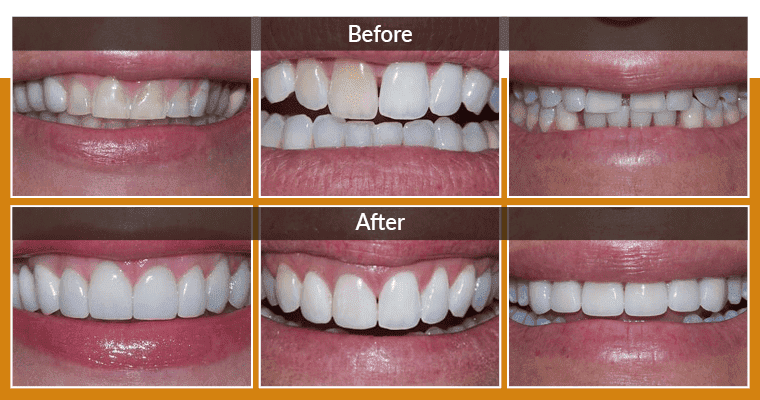
Several real-life examples demonstrate the effectiveness and longevity of veneers. Many individuals have shared their experiences, showcasing the transformative impact veneers can have on their smiles. By consulting with their dentists, discussing their goals, and following proper care instructions, these patients have enjoyed veneers that have lasted for over a decade, providing them with renewed confidence and satisfaction.
Testimonials from patients
Patient testimonials also highlight the positive outcomes and long-term success of veneer treatments. Patients often describe the process as painless and express their satisfaction with the natural appearance and durability of their veneers. Their testimonials emphasize the importance of selecting a skilled and experienced dentist, following maintenance guidelines, and understanding the realistic expectations of veneer treatments.
Conclusion
Importance of proper care
Proper care and maintenance are crucial for maximizing the lifespan of veneers. By following good oral hygiene practices, making smart dietary choices, avoiding harmful habits, and using protective measures like nightguards, you can ensure the longevity and durability of your veneers. Taking care of your dental health overall will also contribute to the success and longevity of your veneers.
Consultation with a dentist
Before considering veneers, it’s essential to consult with a dentist who specializes in cosmetic dentistry. During this consultation, your dentist will assess your dental health, discuss your goals and expectations, and determine whether veneers are the right option for you. They will also provide you with all the necessary information, including the potential lifespan and maintenance requirements of veneers.
Longevity considerations before getting veneers
Understanding the factors that can affect the longevity of veneers is crucial before undergoing the treatment. This comprehensive article has provided insights into the various factors that influence the lifespan of veneers, maintenance and care guidelines, signs of wear and degradation, the replacement process, costs, insurance coverage, alternatives, advancements in veneer technology, and real-life experiences. By considering these aspects, you can make an informed decision and enjoy the benefits of veneers for years to come.


