
Have you ever wondered how long porcelain veneers can last? If so, you’re not alone. Porcelain veneers are a popular cosmetic dental treatment known for transforming smiles and boosting self-confidence. However, like all dental procedures, the longevity of porcelain veneers is a common concern. In this article, we will explore the factors that can affect the lifespan of porcelain veneers and provide valuable insights on how to make them last as long as possible. So, let’s embark on this journey to discover the secrets behind the durability of porcelain veneers!
Factors Affecting the Lifespan of Porcelain Veneers
Porcelain veneers are a popular cosmetic dental treatment that can provide individuals with a beautiful, flawless smile. However, it’s essential to understand that the lifespan of porcelain veneers can vary depending on several factors. In this article, we will explore the various factors that can influence the longevity of porcelain veneers and provide valuable information to help you maintain your veneers for as long as possible.

Quality of Materials Used
One key factor that can impact the lifespan of porcelain veneers is the quality of the materials used. Not all veneers are created equal, and the type of porcelain used can significantly affect their durability.
Different types of porcelain veneers are available, including traditional and high-quality veneers. Traditional veneers are made from standard porcelain, while high-quality veneers are crafted from advanced materials that are more resistant to chipping, cracking, and discoloration.
You should talk about the different options with your dentist and choose high-quality veneers that will last.
Skill of the Dentist
Another essential factor influencing the lifespan of your porcelain veneers is the skill and experience of the dentist performing the procedure. Placing veneers requires precision in tooth preparation, bonding technique, and the materials used during the process.
An experienced and skilled dentist will ensure that the teeth are adequately prepared to receive the veneers, utilizing techniques that minimize the risk of damage to the underlying tooth structure. Additionally, they will use high-quality bonding materials and employ precise bonding techniques to enhance the longevity of the veneers.
Always choose a reputable dentist specializing in cosmetic dentistry with a proven track record of successful veneer placements.

Individual Oral Hygiene
Your oral hygiene practices play a vital role in the lifespan of porcelain veneers. Regular brushing and flossing are essential to maintain the health of your veneers and the underlying teeth.
It is essential to use the proper technique when cleaning your veneers. Gently brush the surface of the veneers with a soft-bristle toothbrush and non-abrasive toothpaste. Avoid using abrasive toothpaste or harsh mouthwash, which can damage the veneers and compromise their lifespan.
Also, could you maintain regular dental check-ups and professional cleanings? Your dentist will be able to identify any potential issues early on and provide you with the necessary guidance to keep your veneers in optimal condition.
Biting and Chewing Habits
Your biting and chewing habits can significantly impact the longevity of your porcelain veneers. Excessive force placed on the veneers can lead to chipping or cracking.
To ensure the longevity of your veneers, it is essential to avoid biting or chewing on complex objects such as ice, pens, or fingernails. These habits can put excessive pressure on the veneers and increase the risk of damage.
If you engage in sports activities or suffer from teeth grinding and clenching, wearing a mouthguard can help protect your veneers from the impact of these habits. Please consult your dentist to find the most suitable type of mouthguard for your specific needs.

Bruxism (Teeth Grinding and Clenching)
Bruxism, which refers to teeth grinding and clenching, poses a significant risk to the lifespan of porcelain veneers. The excessive forces generated during these habits can cause the veneers to fracture or loosen from the teeth.
If you suffer from bruxism, it is crucial to address this condition to preserve the longevity of your veneers. Your dentist may recommend wearing a nightguard or splint to protect your natural teeth and veneers from the damaging effects of bruxism.
Oral Health Conditions
The presence of underlying oral health conditions can impact the lifespan of porcelain veneers. Conditions such as gum disease and decay can compromise the integrity of the veneers and affect their longevity.
Treating any existing oral health issues is essential before undergoing veneer placement. Your dentist will evaluate your oral health and recommend necessary treatments to ensure your veneers have a healthy foundation.
Accidental Trauma
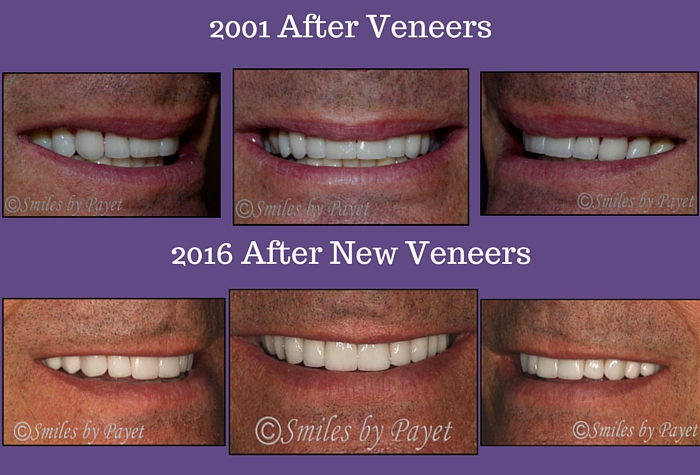
Accidents happen, and they can sometimes result in damage to porcelain veneers. Whether it’s a fall, a sports-related injury, or any other traumatic event, it is possible for your veneers to chip, crack, or even dislodge.
If you experience accidental trauma, it is essential to contact your dentist immediately. Depending on the severity of the damage, your dentist will determine whether repair or replacement of the veneers is necessary.
While accidents cannot always be prevented, taking preventive measures, such as wearing a mouthguard during sports activities, can help minimize the risk of damage to veneers.
Maintenance and Upkeep
Proper care and maintenance are essential for preserving the longevity of your porcelain veneers. Adopting good oral hygiene habits and following your dentist’s instructions can go a long way in ensuring the longevity of your veneers.
Regularly brush and floss your teeth, including the veneers, to remove plaque and food particles. Use a soft-bristle toothbrush, as abrasive brushes can scratch the surface of the veneers and compromise their appearance and lifespan.
When cleaning the veneers, avoid using abrasive toothpaste or harsh mouthwash, as these can damage the porcelain material. Instead, opt for non-abrasive toothpaste and rinse with a mild mouthwash.
Furthermore, avoiding substances that can stain the veneers, such as coffee, tea, red wine, and tobacco products, is essential. If you consume these staining substances, rinse your mouth with water afterward, or consider using a straw to minimize contact with the veneers.
Additionally, protect your veneers from excessive heat or pressure. Avoid biting on complex objects or using your teeth as tools, as these actions can cause damage to both the veneers and your natural teeth.
Replacement Considerations
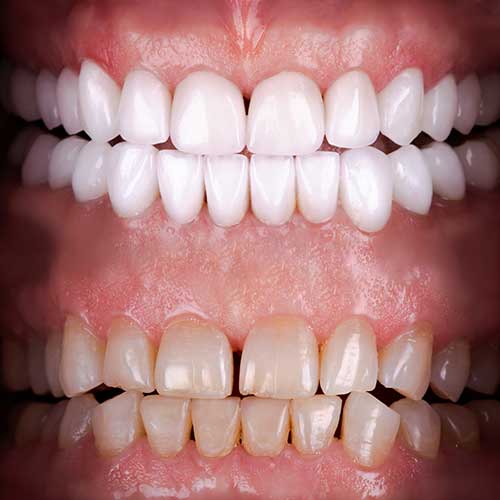
While porcelain veneers are designed to be durable and long-lasting, it is essential to understand that they are not permanent. Over time, veneers may experience wear and tear and may require replacement.
The lifespan of porcelain veneers can vary greatly depending on several factors, such as the quality of materials used, the skill of the dentist, and individual factors, such as oral hygiene habits and biting/chewing behaviors.
Regular check-ups with your dentist are recommended to assess the condition of your veneers and monitor any signs of damage or wear. Your dentist will guide you on when it is time to consider replacement based on the specific condition of your veneers.
Expected Lifespan
On average, porcelain veneers last 10 to 15 years. However, several factors discussed throughout this article can influence this lifespan.
Factors such as the quality of materials used, the dentist’s skill, individual oral hygiene practices, biting and chewing habits, bruxism or other oral health conditions, accidental trauma, and proper maintenance can all impact the lifespan of porcelain veneers.
It is important to note that while veneers can have a significant lifespan, they may require replacement at some point. Regular dental check-ups and discussions with your dentist will ensure that the condition of your veneers and overall dental health is monitored, allowing for timely interventions or replacements when necessary.
In conclusion, the lifespan of porcelain veneers can be influenced by various factors. Opting for high-quality materials, choosing a skilled dentist, maintaining proper oral hygiene, being mindful of biting and chewing habits, addressing bruxism and oral health conditions, preventing accidental trauma, and following proper maintenance and upkeep instructions are all crucial for maximizing the lifespan of your porcelain veneers.
Content 10/10


