
When you look in the mirror, do you feel confident about your smile? If not, dental veneers might be the solution you’ve been searching for. These thin shells, typically made from porcelain or composite resin, are designed to cover the front surface of your teeth, enhancing their appearance and providing a natural look.
They can effectively address a variety of cosmetic concerns, including discoloration, chips, gaps, and misalignment. By opting for dental veneers, you can achieve a radiant smile that boosts your self-esteem and transforms your overall appearance. The process of getting dental veneers is relatively straightforward.
After an initial consultation with your dentist, you will undergo a series of steps that include tooth preparation, impressions, and the placement of the veneers. This cosmetic procedure has gained immense popularity due to its ability to deliver immediate results with minimal invasiveness. However, while veneers can significantly improve your smile, it’s essential to understand that they require proper care and maintenance to ensure their longevity.
In this article, we will explore various factors that affect the lifespan of dental veneers and provide you with valuable tips on how to keep them looking their best.
Key Takeaways
- Dental veneers are thin, custom-made shells of tooth-colored materials designed to cover the front surface of teeth to improve their appearance.
- Factors affecting the lifespan of dental veneers include oral hygiene, diet, habits, and regular dental check-ups.
- Proper care and maintenance of dental veneers involve regular brushing, flossing, and avoiding staining substances like coffee and tobacco.
- Regular dental check-ups and cleanings are essential for monitoring the condition of veneers and addressing any issues early on.
- Habits that can damage veneers, such as teeth grinding, nail biting, and using teeth as tools, should be avoided to prolong their lifespan.
Factors Affecting the Lifespan of Dental Veneers
The lifespan of dental veneers can vary significantly based on several factors. One of the most critical elements is the material used in their construction. Porcelain veneers are known for their durability and resistance to staining, often lasting between 10 to 15 years or even longer with proper care.
On the other hand, composite resin veneers may have a shorter lifespan, typically ranging from 5 to 7 years. Understanding the differences in materials can help you make an informed decision when considering veneers for your smile. Another significant factor influencing the longevity of your veneers is your oral hygiene routine.
Just like natural teeth, veneers require regular brushing and flossing to prevent plaque buildup and maintain their appearance. Neglecting your oral hygiene can lead to gum disease and decay around the edges of the veneers, ultimately compromising their integrity. Additionally, individual habits such as grinding your teeth or clenching your jaw can put excessive pressure on the veneers, leading to premature wear and tear.
By being mindful of these factors, you can help ensure that your dental veneers remain in excellent condition for years to come.
Proper Care and Maintenance of Dental Veneers
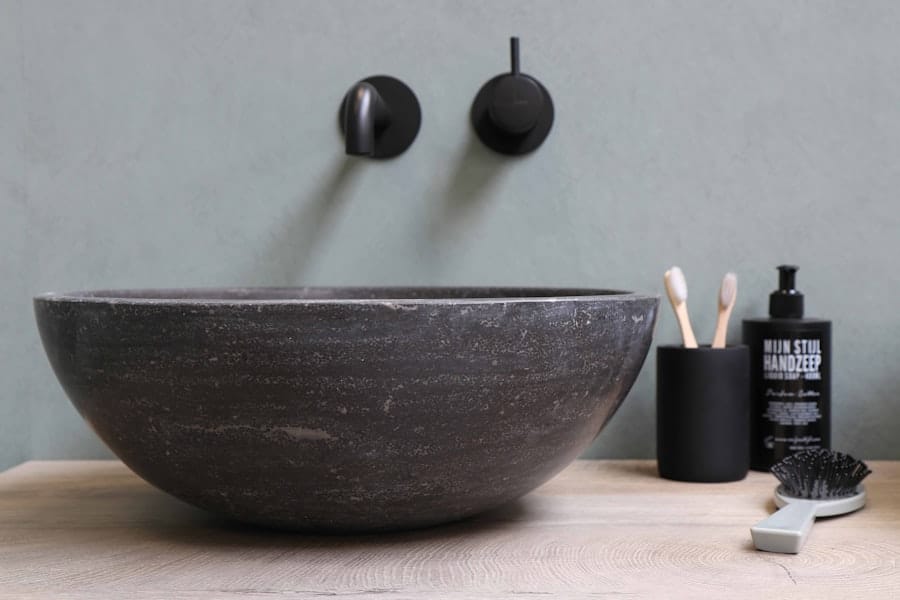
Taking care of your dental veneers is crucial for maintaining their aesthetic appeal and functionality. You should treat them with the same care as your natural teeth. This means brushing at least twice a day with a non-abrasive toothpaste and using a soft-bristled toothbrush to avoid scratching the surface of the veneers.
Flossing daily is equally important, as it helps remove food particles and plaque from between your teeth and along the gum line, preventing potential issues that could affect both your veneers and natural teeth. In addition to regular brushing and flossing, consider incorporating mouthwash into your oral hygiene routine. An antibacterial mouthwash can help reduce plaque buildup and keep your gums healthy.
However, be cautious with certain types of mouthwash that contain alcohol or harsh chemicals, as they may damage the bonding material used to secure your veneers. Regularly rinsing with water after meals can also help wash away food particles and maintain a clean environment for your veneers.
Regular Dental Check-ups and Cleanings
Scheduling regular dental check-ups is essential for anyone with dental veneers. During these visits, your dentist will assess the condition of your veneers and surrounding teeth, ensuring everything is in good health. Professional cleanings are also vital, as they can remove tartar buildup that regular brushing may miss.
Your dentist can provide tailored advice on how to care for your specific type of veneers and address any concerns you may have. Moreover, regular check-ups allow for early detection of potential issues that could affect the longevity of your veneers. If you experience any discomfort or notice changes in your smile, don’t hesitate to reach out to your dentist.
They can identify problems early on and recommend appropriate solutions before they escalate into more significant concerns.
Avoiding Habits that Can Damage Veneers
Certain habits can significantly impact the lifespan of your dental veneers. For instance, if you have a tendency to bite your nails or chew on hard objects like pens or ice, it’s time to reconsider these behaviors. Such actions can place undue stress on your veneers, leading to cracks or chips over time.
Being mindful of what you put in your mouth can go a long way in preserving the integrity of your smile. Additionally, if you engage in sports or activities that pose a risk of injury to your mouth, consider wearing a mouthguard. This protective gear can shield your veneers from potential trauma during physical activities.
By taking proactive measures to avoid damaging habits, you can help ensure that your dental veneers remain intact and beautiful for years to come.
Dietary Considerations for Veneer Longevity
Your diet plays a significant role in maintaining the health and longevity of your dental veneers. While porcelain veneers are resistant to staining, they are not entirely impervious to discoloration over time. Foods and beverages such as coffee, tea, red wine, and dark berries can contribute to staining if consumed excessively.
To protect the appearance of your veneers, consider moderating your intake of these items or rinsing your mouth with water after consumption. In addition to staining concerns, be cautious with extremely hard or sticky foods that could damage your veneers. Foods like hard candies or crusty bread can pose a risk if bitten down on too forcefully.
Instead, opt for softer alternatives that are less likely to cause harm while still providing nutritional benefits. By making mindful dietary choices, you can help extend the life of your dental veneers while enjoying a balanced diet.
Addressing Wear and Tear on Veneers
Over time, even with proper care, wear and tear on dental veneers may occur. If you notice any signs of damage—such as chips, cracks, or discoloration—it’s essential to consult with your dentist promptly. They can assess the extent of the wear and recommend appropriate solutions based on the condition of your veneers.
In some cases, minor repairs may be possible without needing a complete replacement. If wear becomes significant or if you experience discomfort due to damaged veneers, replacement may be necessary. Your dentist will guide you through this process and help you choose the best materials for your new veneers based on your lifestyle and aesthetic preferences.
Replacement Options for Worn-out Veneers
When it comes time to replace worn-out dental veneers, you have several options available to you. Your dentist will discuss these options based on factors such as the condition of your existing teeth and your desired outcome. Porcelain veneers remain a popular choice due to their durability and natural appearance; however, advancements in dental technology have introduced new materials that may also be suitable for your needs.
If you’re considering replacement veneers, take this opportunity to reassess what you want from your smile transformation. Perhaps you want a brighter shade or a different shape that better complements your facial features. Your dentist will work closely with you to create a customized plan that aligns with your vision while ensuring optimal results.
In conclusion, dental veneers offer an excellent solution for enhancing your smile when cared for properly. By understanding the factors affecting their lifespan and implementing effective maintenance strategies, you can enjoy a beautiful smile for many years to come. Regular check-ups with your dentist will ensure that any potential issues are addressed promptly while avoiding damaging habits will further protect your investment in oral aesthetics.
With mindful dietary choices and an awareness of wear and tear signs, you’ll be well-equipped to maintain the beauty of your dental veneers throughout their lifespan.
If you are considering getting dental veneers and want to ensure they last as long as possible, it is important to follow proper care guidelines. According to a related article on Cosmetic Dentist In, regular dental check-ups and cleanings are essential for maintaining the lifespan of your veneers. Additionally, practicing good oral hygiene habits such as brushing and flossing regularly can help prevent issues that may affect the longevity of your veneers. It is also recommended to avoid habits such as biting on hard objects or using your teeth as tools to prevent damage to your veneers. By following these tips, you can help ensure that your dental veneers last for many years to come.
FAQs
What are dental veneers?
Dental veneers are thin, custom-made shells of tooth-colored materials designed to cover the front surface of teeth to improve their appearance. They are commonly made of porcelain or resin composite materials.
How long do dental veneers last?
With proper care and maintenance, dental veneers can last between 10 to 15 years. However, their lifespan can vary depending on individual oral hygiene habits and the type of material used for the veneers.
What factors can affect the lifespan of dental veneers?
Several factors can affect the lifespan of dental veneers, including oral hygiene practices, diet, teeth grinding or clenching, and regular dental check-ups. Poor oral hygiene and habits such as teeth grinding can shorten the lifespan of veneers.
How can I care for my dental veneers to prolong their lifespan?
To prolong the lifespan of dental veneers, it is important to maintain good oral hygiene by brushing and flossing regularly. Avoiding foods and drinks that can stain the veneers, wearing a mouthguard if you grind or clench your teeth, and visiting the dentist for regular check-ups and cleanings can also help prolong the lifespan of veneers.
Can dental veneers be repaired or replaced?
In some cases, dental veneers can be repaired if they are chipped or damaged. However, if the damage is extensive, replacement may be necessary. It is important to consult with a dentist to determine the best course of action for damaged veneers.


