
If you’re looking for a simple and effective solution to enhance your smile, cosmetic dental bonding may be the answer. This popular dental procedure allows you to quickly and painlessly address various imperfections, such as chipped teeth, gaps, and discoloration. By applying a tooth-colored resin material to your teeth, your dentist can reshape and restore your smile, giving you the confidence to show off those pearly whites. Say goodbye to self-consciousness and hello to a radiant smile with cosmetic dental bonding!
What is Cosmetic Dental Bonding
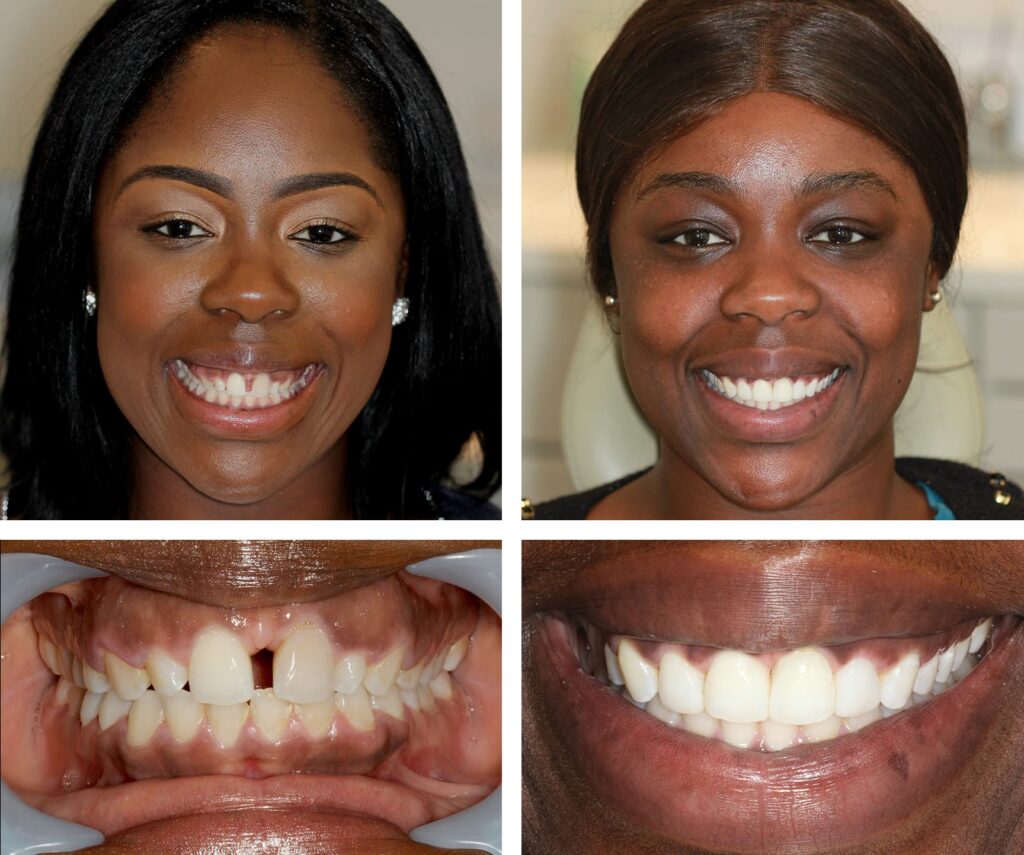
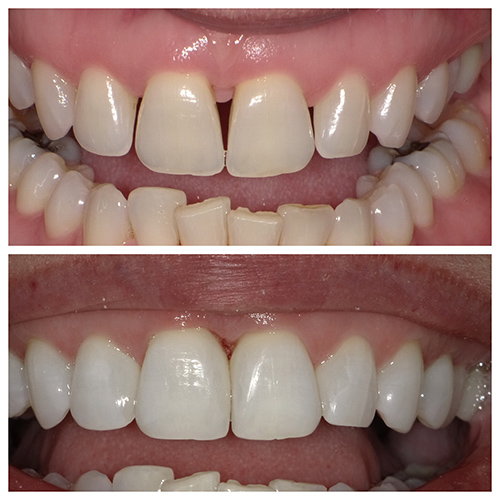
Cosmetic dental bonding is a quick and effective procedure that can address various dental imperfections and enhance the appearance of your smile. This treatment involves the application of a tooth-colored resin material to the surface of your teeth, which is then bonded and shaped to improve their shape, color, and overall aesthetic.
Definition of cosmetic dental bonding
Cosmetic dental bonding, also known as tooth bonding or dental bonding, refers to the process of applying a composite resin material to the front surface of your teeth. This material is carefully color-matched to blend seamlessly with your natural teeth, giving you a natural-looking smile. Dental bonding can address various cosmetic concerns, such as chipped or cracked teeth, gaps between teeth, discoloration, and uneven tooth surfaces.
Purpose of cosmetic dental bonding
The primary purpose of cosmetic dental bonding is to improve the appearance of your teeth and give you a more confident smile. Whether you have a single tooth that needs repair or multiple teeth that require a cosmetic touch-up, bonding can provide an effective and efficient solution. By bonding the composite resin material onto your teeth, your dentist can enhance their shape, size, and color, resulting in a smile transformation that looks and feels natural.
Benefits of cosmetic dental bonding
Cosmetic dental bonding offers several benefits, making it popular among patients seeking smile enhancements. Firstly, it is a non-invasive procedure, meaning that it does not require any removal of your natural tooth structure. This makes it a conservative and reversible treatment option. Dental bonding is more affordable than cosmetic dental procedures like veneers or crowns. Moreover, bonding is a versatile treatment that can address various cosmetic concerns, including small gaps, minor chips, and discoloration. Lastly, one of the significant advantages of dental bonding is that you can enjoy immediate results. After just one visit to your dentist, you can leave with a transformed and beautiful smile.
Procedure
Understanding the steps involved in the cosmetic dental bonding procedure can help you better prepare for your appointment and set realistic expectations about the outcome of your treatment.
Initial consultation
The first step in the dental bonding is the initial consultation with your dentist. During this appointment, your dentist will examine your teeth and discuss your cosmetic goals and concerns. This is an excellent opportunity to ask questions about the procedure and tell me what you want.
Preparation
Once you and your dentist have determined that dental bonding is the proper treatment, tooth preparation follows. In most cases, dental bonding does not require anesthesia unless done to fill a cavity. Your dentist will begin by slightly roughening your tooth’s surface to create a better bond with the composite resin material. Then, they will apply a conditioning liquid to your tooth, improving the bond between the resin and your tooth.
Application of bonding material
After the tooth preparation, your dentist will select a shade of composite resin that matches the color of your natural teeth. They will then apply the bonding material onto your tooth and shape it to achieve the desired appearance. The resin is soft and malleable, allowing your dentist to mold and sculpt it to enhance your tooth’s shape and size.
Bonding and shaping
Once the bonding material is applied and shaped, your dentist will use a particular light or laser to harden the resin. This process, known as bonding, ensures that the material adheres securely to your tooth. Your dentist may apply additional resin layers and repeat the bonding process to achieve the desired shape and thickness.
Finishing touches
After the bonding is complete, your dentist will further shape and polish the bonded tooth to ensure a natural and seamless blend with your surrounding teeth. They will also check and adjust your bite to provide comfort and a proper fit. Once the final touches are complete, you can enjoy your newly improved smile!
Suitability
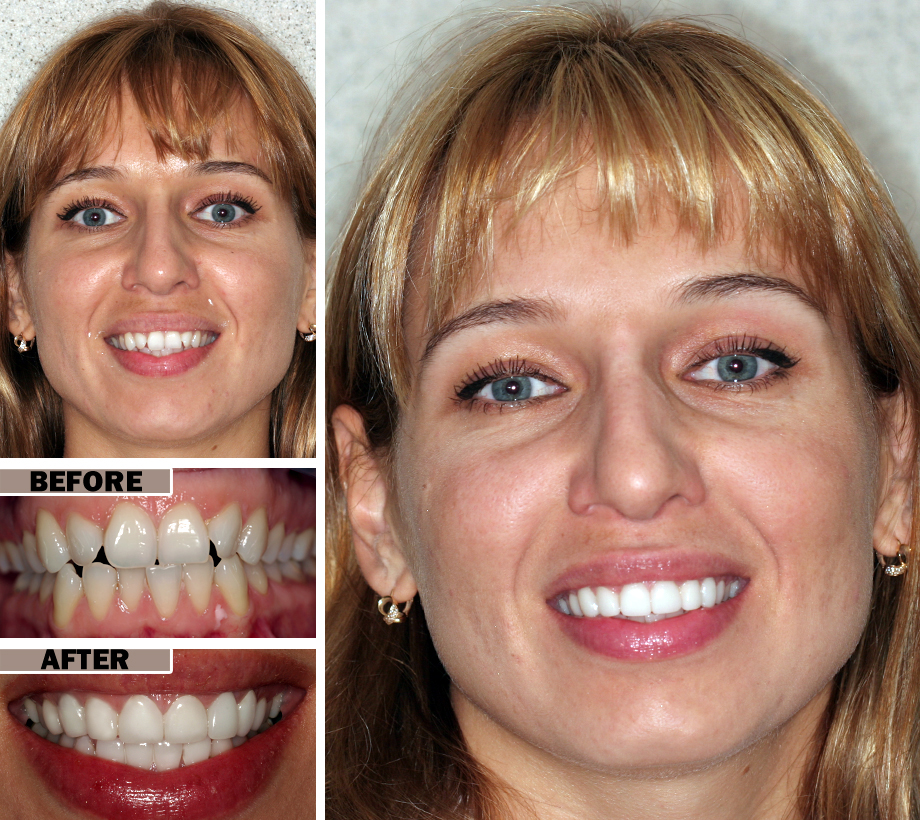
Only some may be candidates for cosmetic dental bonding. Your dentist will assess your oral health and discuss whether this treatment is proper. However, dental bonding is generally suitable for individuals with minor cosmetic concerns.
Candidates for cosmetic dental bonding
Cosmetic dental bonding is an excellent option for individuals with the following dental imperfections:
- Chipped or cracked teeth: Dental bonding can restore the appearance of teeth with small chips or cracks, improving aesthetics and functionality.
- Gaps between teeth: If you have small gaps between your teeth that you want to minimize, bonding can help close the spaces and create a more even smile.
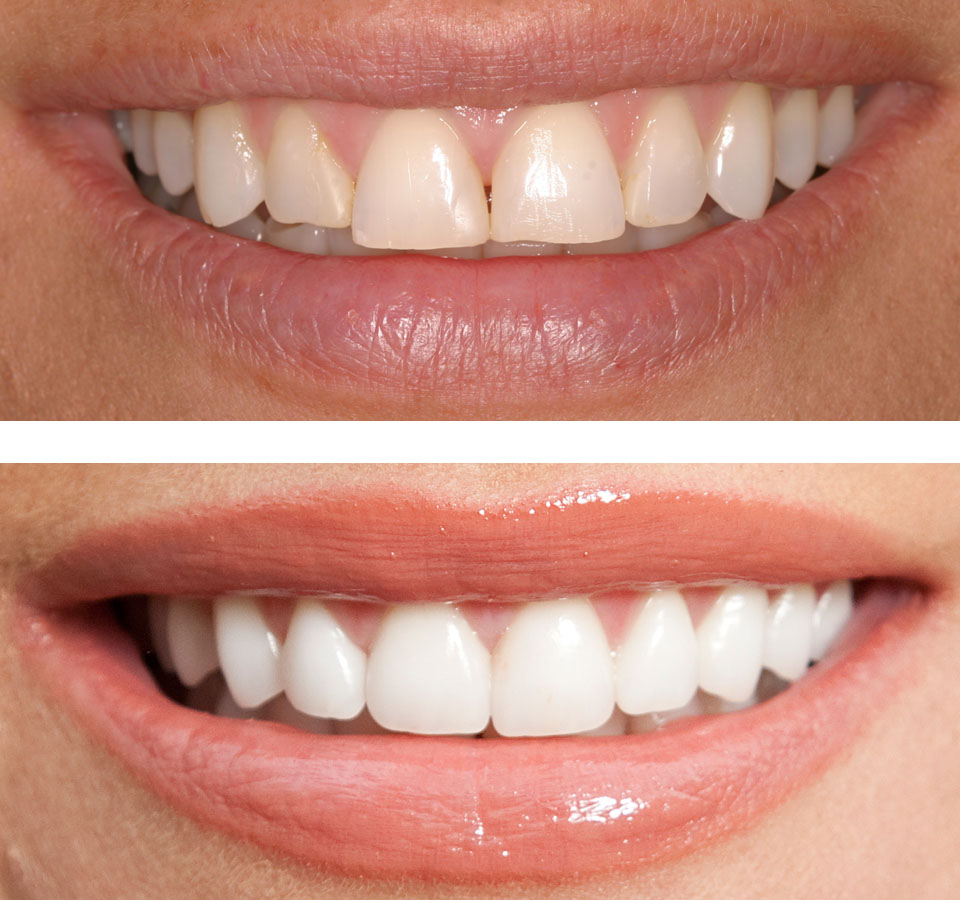
- Discolored or stained teeth: Dental bonding can effectively cover tooth discoloration or stains that cannot be removed through teeth whitening procedures.
- Irregular tooth shape or size: Whether you have an oddly shaped tooth or a tooth that is more minor than the rest, dental bonding can provide the necessary contouring and shaping to create a harmonious smile.
- Worn-down teeth: Dental bonding can restore their natural length and protect them from further damage if your teeth have become worn down due to teeth grinding or other factors.
Conditions treated with dental bonding
Cosmetic dental bonding can effectively address a variety of dental conditions, including:
- Tooth decay: Dental bonding can fill cavities like traditional tooth-colored fillings.
- Dental erosion: When the enamel on your teeth becomes eroded and leaves them vulnerable, dental bonding can protect and strengthen the affected teeth.
- Minor misalignments: For individuals with minor tooth misalignments or irregularities in their bite, dental bonding can create the appearance of proper alignment and improve overall aesthetics.
- Cosmetic imperfections: Whether it’s small chips, cracks, or discoloration, dental bonding can cover up and correct various cosmetic imperfections, resulting in a more uniform and attractive smile.
Advantages
Cosmetic dental bonding offers several advantages, making it a popular choice among individuals seeking to enhance their smiles.
Non-invasive procedure
Dental bonding is non-invasive, unlike other cosmetic dental treatments, such as veneers or crowns. It does not require removing a significant amount of tooth structure, making it a conservative treatment option. This means that your natural teeth remain intact, and the procedure can be reversed if desired.
Affordability compared to other treatments
Another significant advantage of dental bonding is its affordability compared to other cosmetic dental procedures. Opting for dental bonding instead of veneers or crowns can save you considerable money while transforming your smile.
Versatile application
Dental bonding can be used to address a wide range of cosmetic concerns. Whether you have chipped teeth, gaps between teeth, or discoloration, bonding can effectively cover up these imperfections and create a more harmonious smile. The composite resin material can be shaped and molded to meet your needs, resulting in a personalized and natural-looking result.
Immediate results
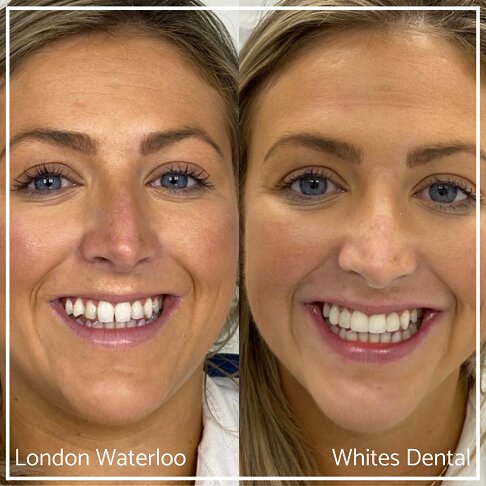
One of the most appealing aspects of dental bonding is that you can enjoy immediate results. Unlike other cosmetic dental procedures that may require multiple visits, bonding can often be completed in one appointment. This means you can leave your dentist’s office with a transformed smile, boosting your confidence and self-esteem in no time.
Disadvantages
While cosmetic dental bonding offers numerous advantages, knowing its potential drawbacks is essential before deciding if it’s the proper treatment for you.
Potential for staining
One of the main disadvantages of dental bonding is that the resin material used can be prone to staining over time. While the material is initially resistant to discoloration, it can gradually become discolored if exposed to certain foods and drinks, such as coffee, tea, or red wine. Regular maintenance and good oral hygiene habits can help minimize the risk of staining.
Limited durability
Dental bonding has a relatively limited lifespan compared to other cosmetic dental treatments. Dental bonding lasts around 5 to 10 years, depending on factors such as oral hygiene practices and the extent of bonding performed. However, it’s important to note that the durability of dental bonding can also be affected by lifestyle choices, such as teeth grinding or nail-biting.
It may require maintenance or replacement.
Due to its limited durability, dental bonding may require maintenance or replacement over time. The resin material used in dental bonding can chip or wear down, and your natural teeth may undergo changes, such as discoloration or shifting. Regular dental check-ups and communication with your dentist can help determine when maintenance or replacement is necessary.
Not suitable for major tooth restoration
It’s worth noting that dental bonding is not suitable for extensive tooth restoration or cases where large portions of the tooth structure are missing. More extensive dental treatments, such as veneers or crowns, may be necessary to restore the tooth’s functionality and appearance.
Comparison with Other Dental Procedures
Understanding the differences between dental bonding and other cosmetic dental procedures can help you decide the most suitable treatment for your needs.
Dental bonding vs. veneers
While dental bonding and veneers can improve your teeth’ appearance, the two treatments have several significant differences. Dental bonding is a non-invasive procedure that involves applying a composite resin directly onto your teeth. At the same time, veneers require the removal of a thin layer of tooth enamel to accommodate the veneer placement. Veneers are typically more durable and stain-resistant than dental bonding but are also more expensive. Your dentist will evaluate your oral health and cosmetic goals to determine the best option.
Dental bonding vs. crowns
Dental bonding and crowns serve different purposes and are suitable for various situations. Dental bonding is primarily used for minor cosmetic enhancements and small repairs like chips or cracks. On the other hand, dental crowns are usually recommended for more extensive restorations, such as severely decayed or damaged teeth. Crowns require more tooth preparation and cover the entire tooth, while bonding focuses on specific areas. Your dentist will evaluate the condition of your teeth and recommend the most appropriate treatment option for your needs.
Dental bonding vs. teeth whitening
While both dental bonding and teeth whitening can improve the appearance of your teeth, they address different concerns. Dental bonding can address many cosmetic issues, such as chips, cracks, and discoloration, that cannot be effectively treated with teeth whitening alone. Teeth whitening, on the other hand, focuses solely on removing surface stains and brightening the natural color of your teeth. Your dentist can assess your teeth and recommend the best approach to achieve your desired results.
Aftercare and Maintenance
Maintaining good oral hygiene practices and making specific lifestyle changes can help ensure the longevity and effectiveness of your dental bonding.
Oral hygiene practices
Keeping your teeth and gums healthy is essential for the success of your dental bonding. Brush your teeth at least twice daily with a soft-bristled toothbrush and fluoride toothpaste. Floss daily to remove plaque and debris between your teeth and the gumline. Also, consider using an antibacterial mouthwash to further reduce the risk of oral infections.
Avoidance of certain foods and habits
To prolong the lifespan of your dental bonding, it’s advisable to avoid certain foods and habits that can damage or stain the resin material. Limit your consumption of highly pigmented foods and beverages, such as coffee, tea, red wine, and berries, as they can cause discoloration. Avoid biting on complex objects, such as ice or pens, to prevent chipping or fracturing the bonded teeth.
Regular dental check-ups
Regular dental check-ups are essential to monitor the condition of your dental bonding and address any potential issues. During these visits, your dentist will examine your bonded teeth, perform professional cleanings, and assess the overall health of your mouth. By detecting any problems early on, your dentist can take proactive measures to maintain the integrity of your dental bonding.
Cost
Understanding the factors affecting the cost of cosmetic dental bonding can help you budget and plan for your treatment.
Factors affecting the cost
The cost of cosmetic dental bonding can vary depending on several factors, including:
- Number of teeth to be bonded: The more teeth that require bonding, the higher the overall cost of the treatment.
- The case’s complexity: If your dental bonding involves more intricate shaping, contouring, or repairs, it may require additional time and materials, increasing the cost.
- Geographic location: The cost of dental procedures can vary from region to region due to differences in overhead costs and market demand.
The average cost of cosmetic dental bonding
On average, the cost of cosmetic dental bonding can range from $300 to $600 per tooth. However, it’s important to note that this is just an estimate, and the actual cost may vary. To get an accurate cost estimate for your specific case, it’s best to consult your dentist, who can provide you with an individualized treatment plan and pricing details.
Insurance coverage
Insurance coverage for cosmetic dental bonding may be limited, as it is considered an elective procedure. However, if the bonding is done to restore a tooth damaged or affected by decay, your insurance may cover some of the cost. You must check with your dental insurance provider to understand your coverage and potential out-of-pocket expenses.
Risks and Side Effects
While cosmetic dental bonding is safe, you should be aware of potential risks and side effects.
Sensitivity to temperature
After dental bonding, some individuals may experience temporary tooth sensitivity to hot or cold temperatures. This sensitivity should subside within a few days or weeks. If the sensitivity continues or worsens, please contact your dentist to determine if there are any underlying issues.
Tooth discoloration
As mentioned earlier, the resin material used in dental bonding can be prone to staining over time. While brushing and flossing regularly and avoiding stain-causing foods and drinks can help minimize the risk, the bonded teeth can become discolored. Regular dental cleanings can help remove surface stains and maintain the appearance of your bonded teeth.
Allergic reactions
In rare cases, individuals may experience an allergic reaction to the composite resin material used in dental bonding. This reaction can manifest as oral discomfort, inflammation, or other allergic symptoms. If you experience unusual reactions after dental bonding, you’ll need immediate dental attention.
Potential damage to bonded teeth
Although dental bonding is a durable treatment, the bonded teeth may still be susceptible to damage. Biting on complex objects or participating in contact sports without a mouthguard can increase the risk of chipping or fracturing the bonded teeth. Following good oral hygiene practices and taking precautions to protect your teeth to avoid damage is essential.
Longevity and Maintenance
While dental bonding offers immediate aesthetic improvements, it’s essential to understand its expected lifespan and the steps you can take to prolong its longevity.
Expected lifespan of dental bonding
On average, dental bonding can last between 5 and 10 years. However, the actual lifespan can vary depending on various factors, including oral hygiene practices, lifestyle habits, the extent of bonding performed, and the location of the bonded teeth. Regular care and maintenance can help extend the lifespan of your dental bonding.
Tips for prolonging the lifespan
To ensure your dental bonding lasts as long as possible, it’s essential to follow these tips:
- Practice good oral hygiene: Brush your teeth twice daily, floss daily, and rinse with an antibacterial mouthwash to keep your teeth and gums healthy.
- Avoid stain-causing foods and drinks: Limit your consumption of highly pigmented foods and beverages, as they can stain your bonded teeth.
- Wear a mouthguard: If you participate in contact sports or engage in activities that carry a risk of dental trauma, wearing a mouthguard can protect your teeth from damage.
- Address teeth grinding: If you grind your teeth at night, known as bruxism, consider using a nightguard to protect your bonded teeth from excessive wear and damage.
When to consider maintenance or replacement
Please monitor the condition of your dental bonding and consult with your dentist if you notice any changes or issues. If a bonded tooth becomes chipped, fractured, or discolored beyond repair, your dentist may recommend maintenance or replacement. Regular check-ups allow your dentist to assess the integrity of your dental bonding and provide timely interventions.
In conclusion, cosmetic dental bonding is a versatile and cost-effective procedure that can address a range of dental imperfections and give you the smile you’ve always wanted. By understanding the process, the advantages, and the potential risks, you can make an informed decision about whether dental bonding is the proper treatment for you. Please consult your dentist to discuss your cosmetic goals and determine the best approach to achieve your desired smile transformation. With proper care and maintenance, your dental bonding can provide you with a beautiful and confident smile for years.
Content 10/10


