
Are you considering getting composite veneers but need to know if they can be whitened? Well, you’ve come to the right place! In this article, we will explore the intriguing question of whether or not composite veneers can be whitened. So, if you’re curious to know if you can achieve a brighter, whiter smile with your composite veneers, keep reading to discover the answer.
Understanding Composite Veneers
What are composite veneers?
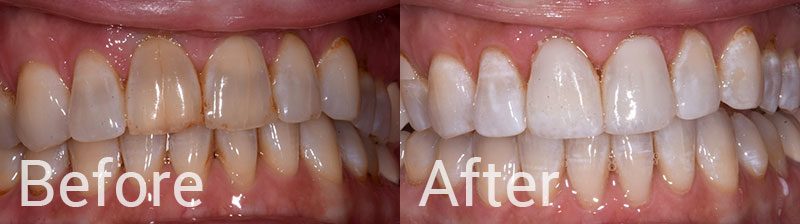
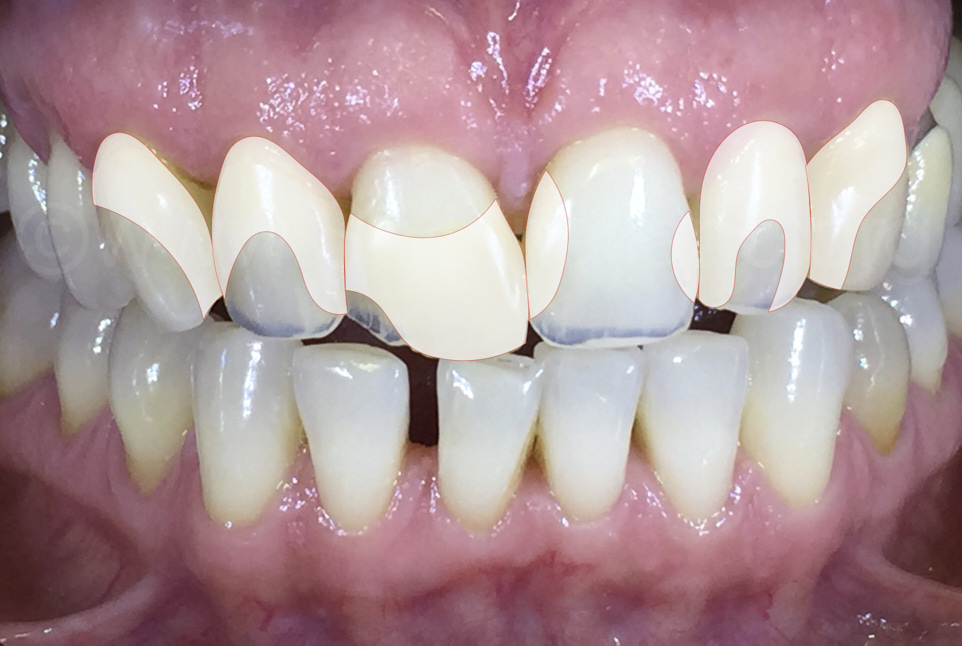
Composite veneers are a cosmetic dental treatment that involves applying a composite resin material onto the surface of teeth to enhance their appearance. These veneers are designed to be thin shells covering the teeth’ front surface, giving them a natural and aesthetically pleasing look. Composite veneers can help improve teeth’ shape, size, color, and overall appearance, making them a popular option for individuals looking to achieve a beautiful smile.
How are composite veneers applied?
The process of applying composite veneers involves several steps. First, the dentist will prepare the teeth by removing a thin enamel layer from the front surface. This step is necessary to create space for the veneers and ensure a proper fit. Next, the dentist will apply the composite resin material onto the teeth, carefully shaping and sculpting it to achieve the desired look. The composite material is then hardened using a special light, and any necessary adjustments or polishing are made to ensure a seamless and natural result. The entire process is usually completed in a single visit, making it a convenient option for those seeking immediate cosmetic improvement.
Reasons for Veneer Discoloration
Types of stains on composite veneers
Composite veneers can become discolored over time due to various reasons. Two prominent stains can occur on composite veneers: intrinsic and extrinsic. Intrinsic stains occur within the tooth structure and are often caused by aging, trauma, or certain medications. On the other hand, extrinsic stains appear on the veneers’ surface and are typically caused by external factors such as food and drinks, smoking, or poor oral hygiene.
Causes of veneer discoloration
Several factors can contribute to the discoloration of composite veneers. Firstly, poor oral hygiene practices can lead to plaque and bacteria buildup on the veneers, resulting in a dull and discolored appearance. Additionally, consuming foods and beverages known to stain, such as coffee, tea, red wine, and certain fruits, can contribute to veneer discoloration over time. Smoking and tobacco use are notorious for causing yellowing and discoloration of not only natural teeth but also composite veneers. Lastly, poor maintenance and inadequate care of the veneers can accelerate the discoloration process, leading to a less vibrant smile.
Important Considerations
Initial consultation with a dentist
Before deciding on any whitening treatment for composite veneers, scheduling an initial consultation with a qualified dentist is crucial. During this consultation, the dentist will assess your oral health, evaluate the current state of your veneers, and discuss your goals and expectations. This consultation is an opportunity to ask questions or address concerns about the whitening process, ensuring you are well informed and prepared for the treatment.
Evaluating the current state of the veneers
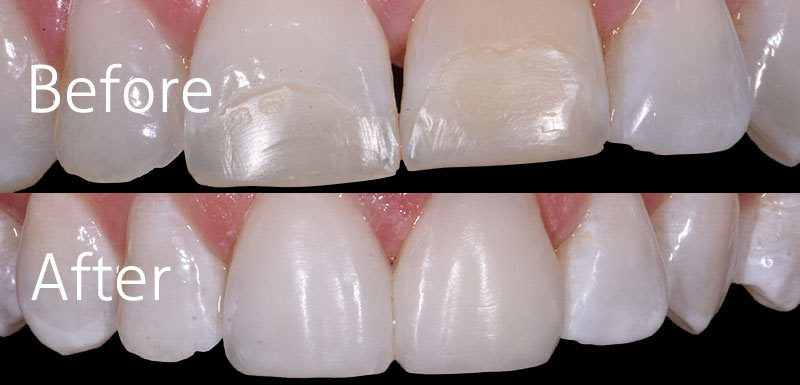
The dentist will carefully evaluate the current state of your composite veneers to determine the best course of action for whitening. This evaluation includes assessing the level of discoloration, checking for any damaged veneers, and ensuring the overall stability and integrity of the restorations. The dentist will consider the specific characteristics of your veneers, such as the type of composite material used and the thickness of the veneers, to determine the most suitable whitening approach.
Determining the cause of discoloration
Identifying the cause of the veneer discoloration is a crucial step in determining the appropriate whitening treatment. If the discoloration is primarily due to extrinsic factors such as surface stains from food or beverages, a different treatment approach may be recommended compared to cases where intrinsic or structural issues are the leading cause. By understanding the underlying cause of the discoloration, the dentist can tailor the whitening treatment to address the specific issues and achieve optimal results effectively.
Professional Teeth Whitening Options
In-office teeth whitening
In-office teeth whitening is a popular and effective option for whitening composite veneers. A dental professional performs this procedure, applying a whitening gel or solution directly onto the veneers. The dentist carefully applies the whitening agent to ensure even coverage and then activates it using a particular light or heat source. In-office teeth whitening can often be completed in a single session, providing immediate and noticeable results, making it an ideal choice for individuals seeking a quick and convenient whitening solution.
Laser teeth whitening
Laser teeth whitening is another professional whitening option for composite veneers. This method involves using a dental laser to activate the whitening agent and accelerate bleaching. The laser energy helps to break down stains and discoloration, resulting in a whiter and brighter smile. Laser teeth whitening is known for its efficiency and ability to achieve dramatic results quickly, giving patients renewed confidence in their smiles.
Customized teeth whitening trays
Customized teeth whitening trays are a professional whitening option that can whiten composite veneers in the comfort of your home. During a dental visit, the dentist will take impressions of your teeth to create custom-fitted trays. These trays are then filled with a whitening gel provided by the dental professional and worn over the veneers for a specified amount each day. Customized teeth whitening trays offer convenience and flexibility, allowing you to whiten your veneers at your own pace while achieving noticeable results.
Home Remedies for Whitening Composite Veneers
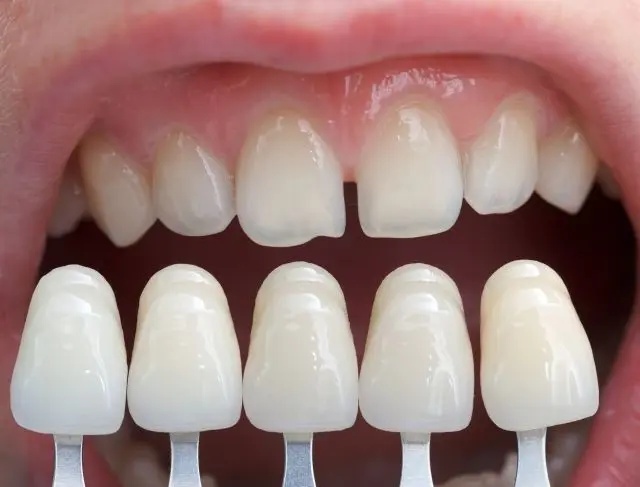
Using whitening toothpaste
Using a whitening toothpaste formulated explicitly for veneers can help maintain their brightness and prevent further discoloration. These toothpastes typically contain mild abrasives or polishing agents that work to remove surface stains gently. While whitening toothpaste can prevent minor surface stains, it may be less effective in removing deeper stains or achieving significant whitening results. I recommend consulting a dental professional to find your composite veneers’ best home care routine.
Baking soda and hydrogen peroxide mixture
A mixture of baking soda and hydrogen peroxide can be used as a DIY whitening agent for composite veneers. Baking soda acts as a mild abrasive that aids in the removal of surface stains, while hydrogen peroxide acts as a bleaching agent. To use this mixture, create a paste by combining a small amount of baking soda with hydrogen peroxide. Gently brush the paste onto the veneers, allowing it to sit for a few minutes before rinsing thoroughly. Using this method sparingly and doing it is optional, as excessive use or scrubbing may damage the composite material or irritate the gums.
Activated charcoal treatments
Activated charcoal treatments have gained popularity as a natural teeth-whitening remedy, but their effectiveness on composite veneers needs to be more specific. Activated charcoal is believed to absorb surface stains and toxins, helping to brighten the teeth. However, its abrasive nature may pose a risk to the composite material of the veneers. You should consult a dental professional before activating charcoal treatments to ensure they suit your situation.
Composite Veneer Replacement
When to consider replacing composite veneers
Composite veneers are not permanent and may need to be replaced over time. Factors that may warrant replacement include significant discoloration that cannot be effectively addressed through whitening treatments, visible damage or wear to the veneers, or changes in the shape or fit of the veneers due to natural tooth movement or other factors. If you are unhappy with the appearance or condition of your composite veneers, you should consult a dental professional to discuss the possibility of replacement.
Procedure for replacing veneers
Replacing composite veneers involves a similar process to the initial application. The dentist will carefully remove the existing veneers and assess the underlying teeth to ensure their health and stability. Then, new composite veneers will be created and applied, considering any desired changes or improvements in the smile’s appearance. The dentist will work closely with the patient to achieve the desired outcome, ensuring that the replacement veneers blend seamlessly with the natural teeth for a harmonious and beautiful smile.
Preventing Veneer Discoloration
Maintaining good oral hygiene
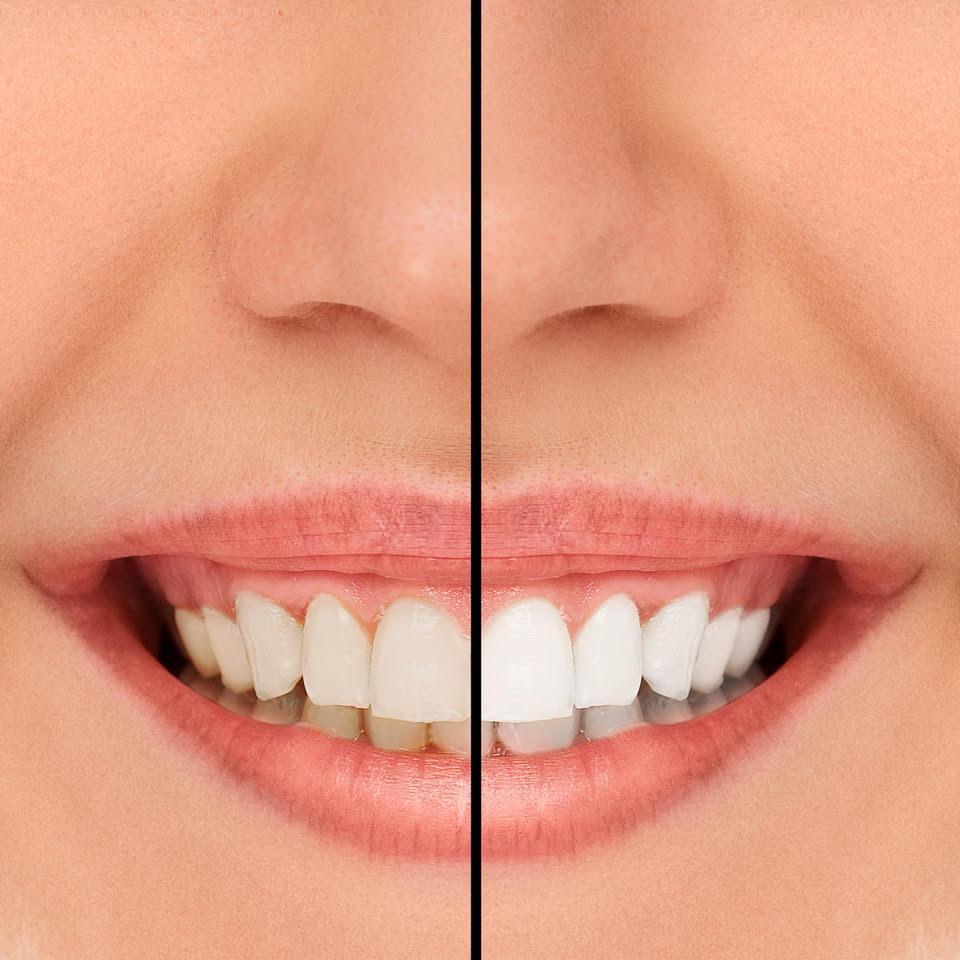
Maintaining good oral hygiene practices is essential for preventing veneer discoloration. Regularly brushing and flossing your teeth, including the veneers, helps to remove plaque and minimize the buildup of stains. It is essential to use a soft-bristled toothbrush and non-abrasive toothpaste to avoid causing any damage to the veneers. Additionally, incorporating mouthwash into your oral care routine can help freshen your breath and maintain the overall cleanliness of your veneers.
Avoiding stain-causing foods and drinks
Avoiding or minimizing the consumption of stain-causing foods and drinks can significantly reduce the risk of discoloration on composite veneers. Common offenders include coffee, tea, red wine, dark sodas, berries, and certain sauces. If you consume these items, rinsing your mouth with water or brushing your teeth shortly afterward can help wash away any potential staining agents. It is important to note that drinking through a straw can also help minimize contact between stain-causing liquids and the veneers, reducing the likelihood of discoloration.
Regular dental visits for cleanings
Regular visits to the dentist for professional cleanings are essential for maintaining the brightness and longevity of composite veneers. Dental cleanings help remove plaque or tartar buildup that cannot be effectively removed through regular brushing and flossing. The dental professional will use specialized tools and techniques to thoroughly clean the veneers, allowing them to maintain their natural beauty and shine. These visits also enable the dentist to monitor the overall health of the veneers and address any potential issues before they worsen.
Alternative Veneer Options
Porcelain veneers
Porcelain veneers are an alternative to composite veneers that offer superior durability and stain resistance. Made from high-quality ceramic material, porcelain veneers are custom-made to fit each tooth and provide a long-lasting solution for enhancing the smile’s appearance. Porcelain veneers are highly resistant to discoloration and maintain their natural beauty for years. However, it is essential to note that porcelain veneers may require more extensive preparation and multiple dental visits for application than composite veneers.
Lumineers
Lumineers are veneers that offer a minimally invasive and reversible option for improving the smile’s aesthetics. These ultra-thin veneers are made from proprietary ceramic material and can be applied without extensive tooth preparation. Lumineers provide a natural and translucent appearance, giving the smile a radiant and youthful look. Like porcelain veneers, Lumineers are highly resistant to staining, making them a popular choice for individuals looking for a long-lasting solution to their smile concerns.
Non-permanent veneers
Non-permanent veneers, also known as snap-on veneers or removable veneers, are temporary and removable options for improving the smile’s appearance. These veneers are made from thin dental resin and can be easily placed and removed. Non-permanent veneers offer a non-invasive and reversible solution for individuals not ready to commit to permanent veneers. While they may not provide the same durability and stain resistance as permanent veneers, non-permanent veneers can still help enhance the smile’s appearance for special occasions or temporary smile makeovers.
Seek Professional Advice
Consultation with a cosmetic dentist
Before pursuing any whitening or treatment options for composite veneers, I would like to ask you for professional advice from a qualified cosmetic dentist. A consultation with a cosmetic dentist allows for a comprehensive evaluation of your veneers, discussing your goals and expectations, and developing a personalized treatment plan. Cosmetic dentist can provide expert guidance based on their knowledge and experience, ensuring that you make informed decisions regarding the care and maintenance of your composite veneers.
Getting a personalized treatment plan
Each individual’s dental needs and goals are unique, so obtaining a personalized treatment plan from a cosmetic dentist is crucial. A customized treatment plan considers factors such as the current state of the veneers, the cause of discoloration, and the desired outcome. Based on these considerations, the dentist will recommend the most appropriate whitening treatments or alternative veneer options, ensuring you receive personalized care that addresses your concerns.
Conclusion
Exploring the whitening options for composite veneers
Having composite veneers does not mean I feel bothered when you are stuck with their current shade. Various whitening options can help restore the brightness and vibrancy of your veneers, allowing you to showcase your smile confidently. Whether you opt for professional teeth whitening treatments or utilize home remedies, it is essential to consult with a dental professional to determine the most suitable approach for your unique situation.
The importance of dental professional advice
While home remedies and over-the-counter whitening products may seem appealing, it is essential to remember that a dental professional’s advice and expertise are crucial for achieving the best results. A cosmetic dentist can help evaluate the current state of your composite veneers, determine the cause of discoloration, and recommend the most appropriate whitening or treatment plan. By seeking professional advice, you can be confident in the care and maintenance of your composite veneers, ensuring a beautiful and radiant smile for years to come.
Content 10/10


