
Imagine having a smile that exudes confidence, radiates beauty, and enhances your overall appearance. With porcelain veneers, you can transform your teeth and achieve the smile you’ve always dreamed of. In this article, we will explore the remarkable impact of porcelain veneers before and after their application. From correcting dental imperfections to achieving a Hollywood-worthy smile, porcelain veneers can truly be a game-changer for your dental aesthetics. Get ready to be amazed by the incredible transformations and discover how porcelain veneers can enhance your smile journey.
Overview of Porcelain Veneers
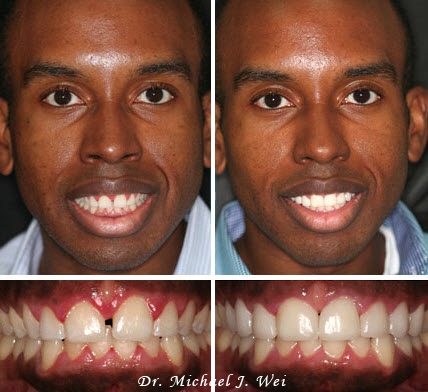
Porcelain veneers are a popular and effective cosmetic dentistry treatment that can transform your smile and enhance your overall appearance. These thin, custom-made shells are designed to cover the front surface of your teeth, improving their color, shape, and alignment. With porcelain veneers, you can achieve a natural-looking, radiant smile that you’ll be proud to show off.
Definition and Function
Porcelain veneers are wafer-thin shells made from a durable ceramic material that closely resembles the natural appearance of tooth enamel. They are custom-crafted to fit over your existing teeth and are bonded to their front surfaces, creating a seamless and natural-looking result.
The main function of porcelain veneers is to address various cosmetic concerns. They can be used to cover teeth that are discolored or stained, chipped or broken, misaligned or crooked, or have gaps or spaces between them. Additionally, porcelain veneers can also correct teeth that are uneven or irregularly shaped, providing a symmetrical and harmonious smile.
Benefits of Porcelain Veneers
Porcelain veneers offer numerous benefits that make them a popular choice for enhancing smiles. First and foremost, they provide a natural and aesthetically pleasing appearance. The ceramic material used for veneers mimics the light-reflecting properties of natural teeth, creating a seamless integration with the rest of your smile. Porcelain veneers also offer durability, as they are resistant to staining and chipping, ensuring long-lasting results.
Another advantage of porcelain veneers is their versatility. They can address a wide range of cosmetic issues, allowing you to achieve a complete smile transformation with just one treatment. Furthermore, the procedure to place porcelain veneers is relatively quick and painless, making it a convenient option for those who want to improve their smile without undergoing extensive dental work.
Conditions That Can Be Addressed with Porcelain Veneers
Porcelain veneers can address various dental issues, providing a comprehensive solution for those looking to enhance their smile. Let’s explore the specific conditions that can be effectively treated with porcelain veneers:
Discolored or Stained Teeth
Porcelain veneers can effectively address teeth that are discolored or stained. Whether due to age, medication, or lifestyle choices, tooth discoloration can make you feel self-conscious about your smile. Porcelain veneers can cover up the discoloration and create a bright, white smile that looks natural.
Chipped or Broken Teeth
Accidents happen, and sometimes teeth can become chipped or broken. Porcelain veneers can restore the integrity and appearance of damaged teeth, creating a seamless and beautiful smile. By bonding a veneer to the affected tooth, you can regain confidence in your smile.
Misaligned or Crooked Teeth
If you have misaligned or crooked teeth but don’t want to undergo orthodontic treatment, porcelain veneers can provide a cosmetic solution. By placing veneers on the visible surfaces of your teeth, your smile can appear straight and aligned, without the need for braces or aligners.
Gaps or Spaces between Teeth
Gaps and spaces between teeth can affect the overall harmony and symmetry of your smile. Porcelain veneers can effectively close these gaps, creating a seamless and uniform appearance. By customizing the size and shape of the veneers, your dentist can ensure that your smile looks natural and attractive.
Uneven or Irregularly Shaped Teeth
Uneven or irregularly shaped teeth can detract from the overall aesthetics of your smile. Porcelain veneers can be used to reshape these teeth, creating a more balanced and harmonious appearance. Whether your teeth are too long, too short, or have other irregularities, veneers can help bring them into proper proportion.
Before Getting Porcelain Veneers
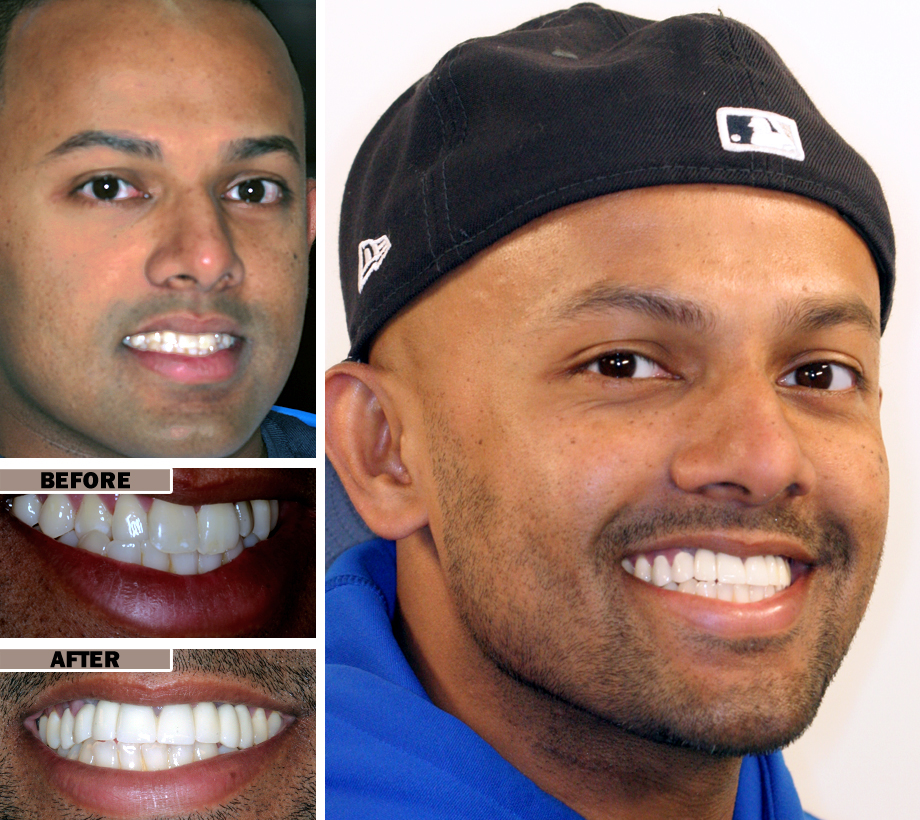
Before undergoing the porcelain veneers treatment, several important steps and considerations need to be addressed. Let’s explore what you can expect before getting porcelain veneers:
Initial Consultation
Your journey to a transformed smile begins with an initial consultation with a dental professional. During this consultation, you will discuss your goals, concerns, and expectations regarding your smile enhancement. Your dentist will evaluate your teeth and oral health, and determine if porcelain veneers are a suitable treatment option for you.
Evaluation of Oral Health
Before proceeding with any cosmetic dental treatment, it is essential to ensure optimal oral health. Your dentist will conduct a thorough examination, assessing the condition of your teeth and gums. Any existing dental issues, such as cavities or gum disease, will need to be addressed and treated before moving forward with porcelain veneers.
Treatment Planning
Once it has been determined that porcelain veneers are a suitable treatment option, a comprehensive treatment plan will be created. This plan will outline the specific steps involved in your treatment, including the number of veneers needed, the desired outcome, and any necessary preparations.
Preparation of Teeth
To ensure a seamless fit and natural appearance, a minimal amount of enamel needs to be removed from the front surface of your teeth. This step is necessary to make room for the veneers and ensure a proper bond. Your dentist will carefully remove a thin layer of enamel, usually less than 1 mm, from your teeth. This process is performed under local anesthesia to ensure your comfort.
The Process of Getting Porcelain Veneers
Once the preparation stage is complete, the process of getting porcelain veneers involves several important steps. Let’s take a closer look at what you can expect during this process:
Impressions and Customization
After your teeth have been prepared, your dentist will take impressions of your teeth. These impressions will be used to create custom-made veneers that are tailored to your unique smile. The color, shape, and size of the veneers will be carefully selected to ensure a natural and harmonious result.
Temporary Veneers
While your permanent veneers are being crafted in a dental laboratory, temporary veneers will be placed over your prepared teeth. These temporary veneers will protect your teeth and help maintain your appearance until the final veneers are ready to be bonded.
Bonding the Porcelain Veneers
Once your permanent veneers are ready, your dentist will check their fit, color, and appearance. If any adjustments are needed, they will be made at this stage. Once you and your dentist are satisfied with the outcome, the veneers will be bonded to your teeth using a dental adhesive. This bonding process creates a strong bond between the veneers and your teeth, ensuring their longevity and stability.
After Getting Porcelain Veneers
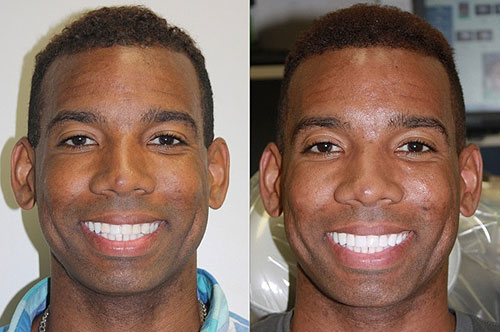
Once your porcelain veneers have been successfully placed, it is important to take proper care of them to ensure their longevity and maintain their appearance. Here’s what you need to know about the aftercare of porcelain veneers:
Recovery and Sensitivity
After the veneers are bonded to your teeth, you may experience some sensitivity or discomfort, which is typically temporary. This sensitivity can be managed with over-the-counter pain medication or sensitivity toothpaste. It is important to avoid consuming excessively hot or cold foods and beverages during the initial recovery period.
Oral Hygiene and Care
Maintaining good oral hygiene is crucial for the long-term success and appearance of your porcelain veneers. Brushing your teeth twice a day with a non-abrasive toothpaste and flossing daily will help keep your veneers and natural teeth clean and free from plaque and bacteria.
Follow-up Appointments
Regular follow-up appointments with your dentist are essential to ensure the health and longevity of your porcelain veneers. These appointments will allow your dentist to monitor the condition of your veneers, assess your oral health, and address any concerns or issues that may arise.
Longevity and Maintenance of Porcelain Veneers
Porcelain veneers are designed to be long-lasting and durable. With proper care and maintenance, they can provide you with a beautiful and confident smile for many years. Here’s what you need to know about the longevity and maintenance of porcelain veneers:
Expected Lifespan
Porcelain veneers can last anywhere from 10 to 20 years, depending on how well they are cared for and maintained. Factors such as oral hygiene practices, lifestyle habits, and regular dental check-ups can greatly impact the lifespan of your veneers. It is important to follow your dentist’s instructions for care and maintenance to maximize the longevity of your veneers.
Avoiding Staining and Discoloration
Although porcelain veneers are resistant to staining, they are not completely immune to discoloration. To maintain their natural appearance, it is essential to avoid or minimize the consumption of stain-causing substances such as coffee, tea, red wine, and tobacco products. Additionally, practicing good oral hygiene and regular dental cleanings can help prevent the buildup of stains and maintain the whiteness of your veneers.
Regular Dental Check-ups
Regular dental check-ups are crucial for the maintenance of your porcelain veneers. Your dentist will examine your veneers, assess your oral health, and perform professional cleanings to remove any plaque or tartar buildup. These check-ups are an opportunity to address any concerns or issues with your veneers and ensure their long-term success.
Repairing or Replacing Veneers
In the event that a veneer becomes damaged, cracked, or dislodged, it can typically be repaired or replaced. It is important to contact your dentist as soon as possible if you experience any issues with your veneers. Your dentist will evaluate the condition of the veneer and recommend the appropriate course of action to restore your smile.
Potential Risks and Considerations
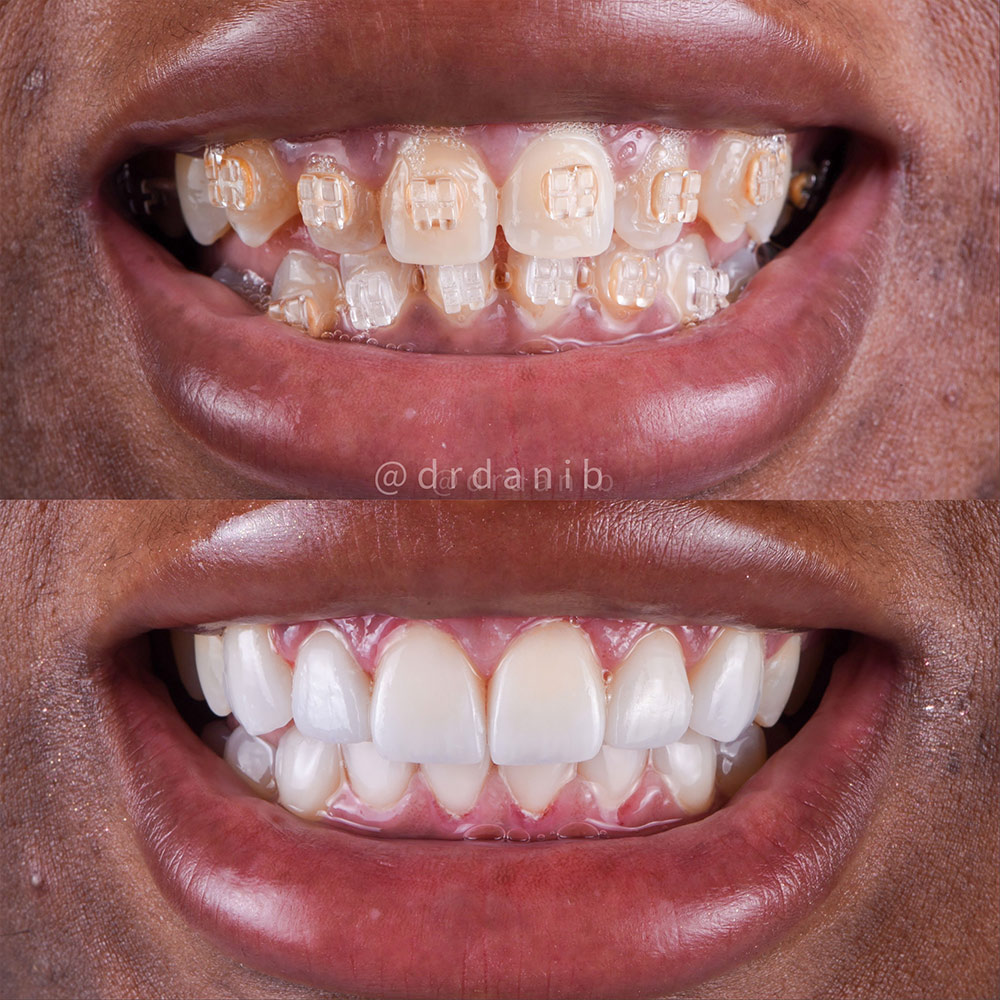
While porcelain veneers are generally safe and effective, it is important to be aware of the potential risks and considerations. Here are some factors to keep in mind before undergoing the porcelain veneers treatment:
Temporary Sensitivity
After the placement of porcelain veneers, it is common to experience temporary sensitivity to hot or cold temperatures. This sensitivity usually subsides within a few days or weeks following the procedure. It is important to communicate any concerns with your dentist, who can provide recommendations to manage the sensitivity.
Risk of Tooth Damage
Removing a small amount of enamel from the teeth during the preparation process can increase the risk of tooth damage. However, with the expertise of a skilled dentist and proper techniques, the risk of damage is minimal. It is crucial to choose a qualified and experienced dental professional to ensure the success of your veneers.
Potential Need for Orthodontic Treatment
While porcelain veneers can improve the appearance of misaligned or crooked teeth, they are not a substitute for orthodontic treatment in cases of severe malocclusion or misalignment. Your dentist will assess your specific dental needs and determine if orthodontic treatment, such as braces or aligners, is necessary in conjunction with or instead of veneers.
Financial Considerations
Porcelain veneers are considered a cosmetic dental treatment and may not be covered by dental insurance plans. It is important to inquire with your insurance provider regarding coverage options. If the cost of veneers is a concern, discuss with your dentist potential payment plans or financing options that may be available.
Comparison with Other Dental Restoration Options
When considering dental restoration options, it is important to weigh the pros and cons of different treatments. Here is a comparison of porcelain veneers with other commonly chosen dental restoration options:
Dental Bonding
Dental bonding is a more conservative alternative to porcelain veneers. It involves applying a tooth-colored resin material to the teeth and shaping it to achieve the desired appearance. While dental bonding is less expensive and requires minimal tooth preparation, it may not provide the same level of durability and longevity as porcelain veneers. Additionally, dental bonding may be more prone to staining and chipping over time.
Dental Crowns
Dental crowns, also known as caps, are a dental restoration option that covers the entire tooth. Unlike porcelain veneers, which only cover the front surface, dental crowns encase the entire tooth to provide strength and protection. Dental crowns are typically recommended for teeth with extensive damage or decay and may require more tooth preparation than veneers. While dental crowns offer excellent durability, they are a more invasive and costly treatment option compared to porcelain veneers.
Orthodontic Treatment
In cases of severe malocclusion or misalignment, orthodontic treatment such as braces or aligners may be necessary to achieve the desired results. While porcelain veneers can improve the appearance of mildly misaligned teeth, they cannot correct underlying bite issues or significant crookedness. Your dentist will determine if orthodontic treatment is necessary in addition to or instead of veneers to achieve optimal results.
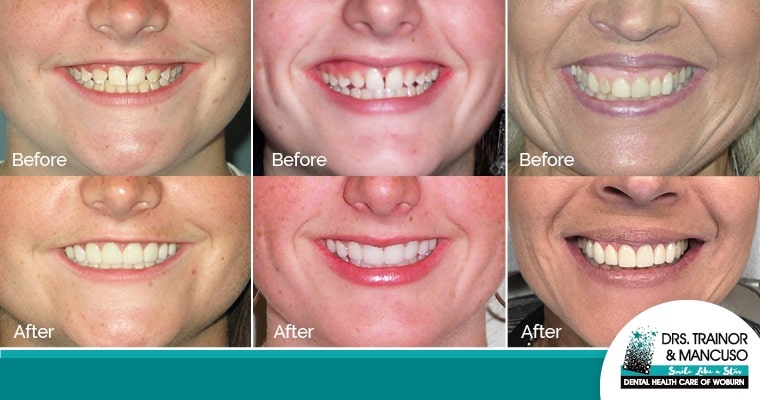
Examples of Porcelain Veneers Before and After
To get a better understanding of the transformative power of porcelain veneers, let’s explore some before and after examples of different dental conditions:
Case 1: Discolored Teeth
Before: The patient had severely discolored teeth due to age and lifestyle factors, which made them self-conscious about their smile.
After: After getting porcelain veneers, the patient’s teeth were brightened and rejuvenated, resulting in a radiant and natural-looking smile.
Case 2: Chipped Teeth
Before: The patient had noticeable chipped teeth, which affected the symmetry and aesthetics of their smile.
After: With the placement of porcelain veneers, the chipped teeth were seamlessly repaired, creating a uniform and flawless smile.
Case 3: Misaligned Teeth
Before: The patient had mildly misaligned teeth, causing them to feel self-conscious about their smile.
After: By placing porcelain veneers, the appearance of the misaligned teeth was corrected, resulting in a straighter and more aligned smile.
Case 4: Gaps between Teeth
Before: The patient had noticeable gaps between their teeth, which disrupted the overall harmony of their smile.
After: With the help of porcelain veneers, the gaps were closed, creating a more balanced and aesthetically pleasing smile.
Case 5: Irregularly Shaped Teeth
Before: The patient had irregularly shaped teeth, which gave their smile a uneven and unbalanced appearance.
After: With the application of porcelain veneers, the shape of the teeth was harmonized, resulting in a symmetrical and attractive smile.
Conclusion
Porcelain veneers offer a comprehensive solution to transform your smile and enhance your overall appearance. With their ability to address various dental concerns, such as discoloration, chipped teeth, misalignment, gaps, and irregularities, porcelain veneers can provide you with a natural-looking and radiant smile.
Before undergoing the porcelain veneers treatment, it is important to have an initial consultation with a dental professional to evaluate your oral health and determine if you are a suitable candidate. The process of getting porcelain veneers involves careful customization, bonding, and proper care to ensure the longevity and maintenance of your veneers.
While porcelain veneers are generally safe and effective, it is important to consider potential risks and financial considerations. Comparing porcelain veneers with other dental restoration options, such as dental bonding, dental crowns, and orthodontic treatment, will help you make an informed decision about the best treatment option for your specific needs.
Remember, a consultation with a dental professional is essential to understand how porcelain veneers can effectively address your dental concerns and provide you with the smile transformation you desire. With the help of porcelain veneers, you can achieve the smile of your dreams and confidently share it with the world.


