
Have you ever wondered about the cost of veneers per tooth? Well, in this article, we will explore the price range for getting veneers and discuss the factors that can influence the overall cost. Whether you’re considering veneers for cosmetic reasons or to correct dental issues, understanding the cost per tooth will help you make an informed decision about this popular dental procedure. So, let’s uncover the details and find out how much veneers can cost per tooth.
Understanding Veneers
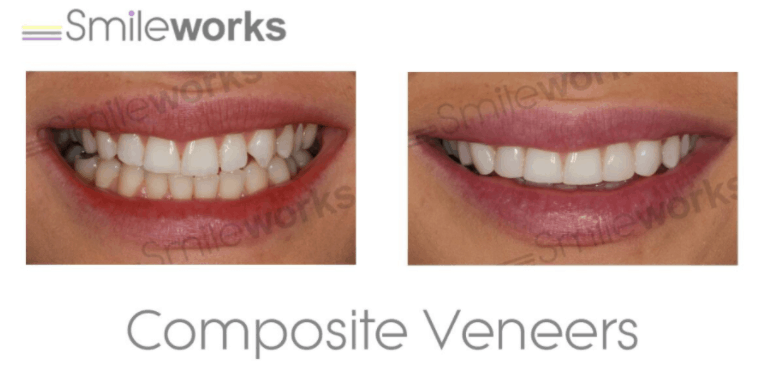
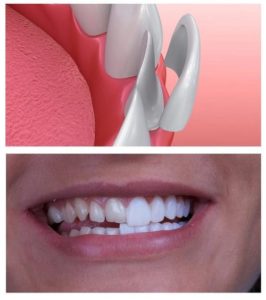
Veneers are a popular dental treatment option for achieving a flawless smile. They are thin shells made of tooth-colored material, such as porcelain or composite resin, that are placed over the front surface of your teeth. Veneers are custom-made to perfectly match the size, shape, and color of your natural teeth, providing a natural-looking, beautiful appearance.
What are veneers?
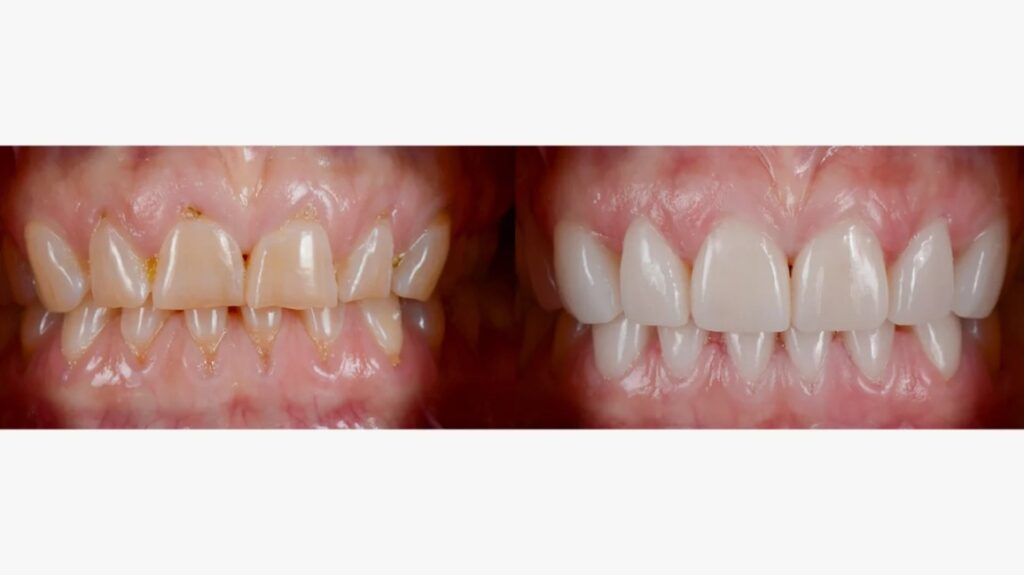
Veneers are a cosmetic dentistry procedure used to enhance the appearance of teeth. They can address a variety of dental concerns, including discoloration, chips, cracks, misalignment, and gaps between teeth. Veneers are a versatile treatment option that can improve the overall aesthetics of your smile and boost your self-confidence.
Types of veneers
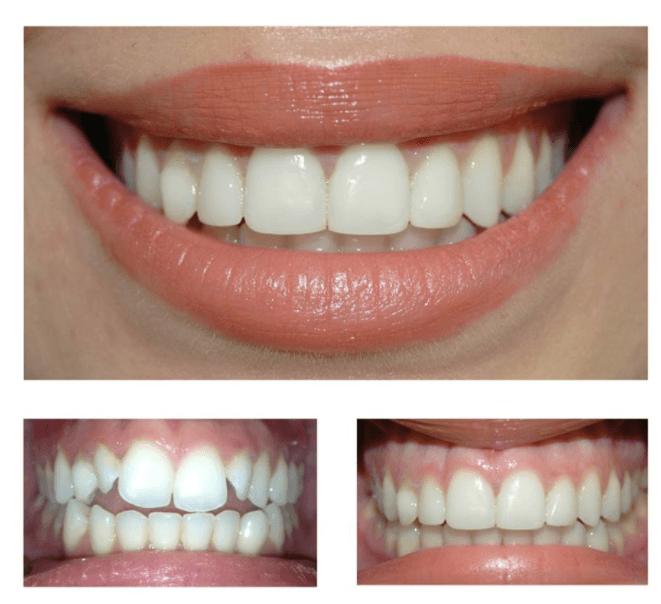
There are two main types of veneers: porcelain veneers and composite resin veneers.
Porcelain veneers are created in a dental laboratory and are known for their durability and natural-looking appearance. They are highly resistant to stains and can last for many years with proper care. Porcelain veneers are customized to fit your teeth perfectly, ensuring a seamless and stunning result.
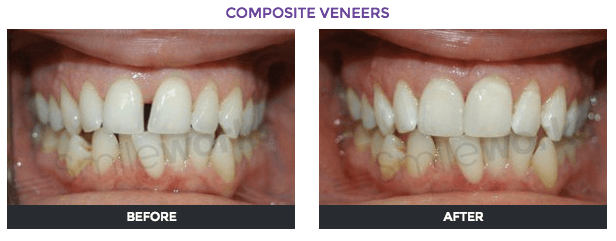
Composite resin veneers, on the other hand, are made directly in the dentist’s office and applied to the teeth in layers. While they are less expensive than porcelain veneers, they may not last as long and may be more prone to staining over time. However, composite resin veneers can still provide satisfactory results and are often a more affordable option.
How do veneers work?
The process of getting veneers typically involves several steps. First, the dentist will assess your dental health and determine if veneers are a suitable option for you. If you are a good candidate, the dentist will prepare your teeth by removing a thin layer of enamel to make room for the veneers.
Next, the dentist will take impressions of your teeth, which will be used to create customized veneers that perfectly fit your smile. While waiting for the permanent veneers to be fabricated, temporary veneers may be placed on your teeth to protect them.
Once the veneers are ready, the dentist will check their fit and appearance before bonding them onto your teeth using a dental adhesive. The veneers will then be polished to give them a smooth and natural-looking finish.
Veneers can dramatically improve the appearance of your smile and can provide long-lasting results when properly cared for. However, it is important to discuss the procedure, expectations, and aftercare with your dentist to ensure you are comfortable with the process.
Factors Affecting Veneers Cost
Just like any dental treatment, the cost of veneers can vary depending on several factors. These factors include:
Material used
The material used for your veneers can have a significant impact on the overall cost. Porcelain veneers tend to be more expensive compared to composite resin veneers due to the higher cost of materials and the need for customization in a dental laboratory.
Number of teeth treated
The number of teeth that need veneers will also affect the cost. If you only require veneers for a few teeth, the cost will be lower compared to getting a full set of veneers for all your visible teeth.
Location
The cost of dental procedures can vary depending on the location of the dental practice. In major cities and metropolitan areas, the cost of living is generally higher, which can translate to higher dental fees. On the other hand, dental practices in more rural areas may have lower overhead costs and, therefore, lower prices.
Dentist’s expertise
The skills and experience of the dentist performing the veneers procedure can also influence the cost. Highly skilled and experienced dentists may charge more for their services due to their expertise and reputation.
Additional procedures
In some cases, additional procedures may be required before or during the veneers process. For example, if you have severely damaged teeth, you may need to undergo restorative treatments, such as root canals or dental crowns, before getting veneers. These additional procedures will increase the overall cost of your treatment.
It is important to keep in mind that the cost of veneers is an investment in your smile and overall confidence. Discussing your treatment options and associated costs with a qualified dentist will help you make an informed decision.
Average Cost of Veneers
The average cost of veneers can vary depending on several factors, including the location and complexity of the case. While it is difficult to provide an exact estimate without a consultation, we can give you a general idea of the potential costs involved.
National average
The national average cost for a single veneer can range from $800 to $2,500. This estimate includes the cost of the veneer itself, as well as the necessary dental procedures and preliminary consultations.
City-specific costs
In major cities and metropolitan areas, where the cost of living is generally higher, the average cost per veneer can range from $1,000 to $3,500. However, in more rural areas, the cost can be lower, ranging from $500 to $2,000 per veneer.
Cost for a full set of veneers
If you are considering a full set of veneers to improve the appearance of all your visible teeth, the cost will naturally be higher. On average, a full set of veneers can cost anywhere from $8,000 to $20,000 or more, depending on the number of teeth treated, the materials used, and other factors.
It is important to consult with a qualified dentist to get an accurate estimate based on your specific needs and circumstances.
Insurance Coverage for Veneers
Dental insurance coverage for veneers can vary depending on your provider and plan. While dental insurance typically covers necessary dental treatments, such as fillings and extractions, coverage for cosmetic procedures like veneers may be limited or even nonexistent.
Dental insurance coverage
In some cases, if veneers are deemed medically necessary, such as for correcting severe tooth damage or structural issues, a portion of the cost may be covered by dental insurance. However, coverage amounts and eligibility criteria can vary significantly. It is advisable to review your dental insurance policy or contact your insurance provider directly to determine if veneers are covered and to what extent.
Cosmetic vs. functional coverage
Most dental insurance policies classify veneers as a cosmetic procedure, as they primarily focus on improving the appearance of teeth rather than addressing functional issues. If your dental insurance policy specifically excludes coverage for cosmetic procedures, you may be responsible for the full cost of veneers.
Pre-approval requirements
It is important to note that even if veneers are covered by your dental insurance, pre-approval may be required before undergoing the treatment. This typically involves submitting documentation, such as photographs, X-rays, or a treatment plan, to the insurance company for review.
Before proceeding with veneers, it is recommended to check with your dental insurance provider and discuss your coverage options with your dentist.
Payment Options
If the cost of veneers is a concern for you, there are several payment options available that can help make the treatment more affordable.
Dental financing
Many dental practices offer financing options to help patients manage the cost of veneers. These financing plans typically involve setting up monthly payment arrangements, allowing you to spread out the cost of your treatment over time.
Credit cards
Using a credit card to pay for your veneers can be an option if you have a sufficient credit limit available. However, it is important to consider the interest rates and fees associated with credit card payments, as these can add to the overall cost of your treatment if not managed carefully.
Medical savings accounts
If you have a health savings account (HSA) or flexible spending account (FSA), you may be able to use these funds to cover the cost of your veneers. Check with your account provider to determine if veneers are considered an eligible expense.
Before making a decision on how to finance your veneers, consider consulting with your dentist or financial advisor to determine the best payment option for your individual circumstances.
Tips for Reducing Veneer Costs
While veneers can be a worthwhile investment in your smile, there are several strategies you can employ to help reduce the overall cost.
Shop around for pricing
Take the time to research and compare prices from different dental practices. The cost of veneers can vary significantly between providers, so shopping around can help you find a more affordable option without compromising on quality.
Consider traveling for treatment
In some cases, traveling to a different location for your veneers treatment may be more cost-effective. Dental practices in certain regions or countries may offer lower prices without compromising on quality. However, it is important to consider the additional costs associated with travel, such as transportation and accommodation.
Ask for payment plans
Don’t hesitate to inquire about flexible payment plans or special offers that may be available. Many dentists are willing to work with patients to find a payment arrangement that suits their budget.
Consider dental schools
Dental schools often offer discounted rates for dental treatments, including veneers. While the procedure may be performed by a dental student under the supervision of a qualified dentist, this can be a cost-effective way to receive high-quality care at a lower price point.
Negotiate fees
If you have multiple dental practices in your area, consider negotiating the fees for veneers. Some dentists may be open to offering a discounted rate or a price match if you inform them of lower prices offered by other providers. It never hurts to ask!
By implementing these cost-saving strategies, you can make veneers more affordable and achieve the smile of your dreams without breaking the bank.
Potential Additional Costs
In addition to the cost of the veneers themselves, there may be additional costs associated with the veneer process. These costs can vary depending on the individual case and the specific requirements.
Consultation and evaluation fees
Your initial consultation with the dentist may involve a fee to assess your dental health and determine if veneers are an appropriate treatment option for you. It is important to understand any consultation fees upfront to avoid any surprises later on.
Preparation and impression costs
Before the veneers can be created, your teeth will need to be prepared by removing a thin layer of enamel. Additionally, impressions of your teeth will be taken to create customized veneers. These procedures may have associated costs depending on the dental practice.
Temporary veneers
While waiting for your permanent veneers to be created, temporary veneers may be placed on your teeth to protect them. These temporary veneers are typically made of composite resin and may require additional fees.
Bonding and fitting costs
The final step in the veneer process involves bonding the veneers to your teeth using a dental adhesive. Additional fitting and adjustments may be necessary to ensure a perfect fit. These procedures may involve separate fees, so it is important to clarify these costs with your dentist.
Discussing potential additional costs with your dentist during your initial consultation will help you understand the complete financial obligations associated with veneers.
Choosing a Qualified Dentist
Selecting a qualified dentist is essential to ensuring the success and longevity of your veneers. Here are some factors to consider when choosing a dentist for your veneers procedure:
Researching dentists
Take the time to research and gather recommendations for dentists who specialize in veneers. Look for dentists with extensive experience and a proven track record in performing successful veneer procedures.
Considering experience and qualifications
Review a dentist’s credentials and certifications to ensure they have the necessary expertise in cosmetic dentistry and specifically veneers. Dentists who are members of professional organizations, such as the American Academy of Cosmetic Dentistry, often demonstrate a commitment to excellence.
Reading patient reviews
Read patient reviews and testimonials to gain insights into the experiences of others who have received veneers from a particular dentist. This can help you gauge the quality of care and overall patient satisfaction.
Consulting with multiple dentists
Schedule consultations with multiple dentists to discuss your veneers treatment options and obtain different opinions and estimates. This will allow you to assess each dentist’s demeanor, communication style, and proposed treatment plan.
By carefully selecting a qualified and experienced dentist, you can have confidence in the outcome of your veneers procedure.
Long-Term Affordability of Veneers
While the upfront cost of veneers may seem significant, it is important to consider the long-term affordability and benefits they can provide.
Maintenance costs
Routine dental maintenance, including regular check-ups and professional cleanings, is essential for the longevity of your veneers. These maintenance costs should be factored into your long-term budget to ensure the ongoing health and aesthetics of your veneered teeth.
Expected lifespan of veneers
Veneers are known for their durability and longevity. Porcelain veneers can last anywhere from 10 to 15 years or longer with proper care, while composite resin veneers may have a lifespan of 5 to 10 years. Considering the long lifespan of veneers, their cost can be viewed as an investment in your smile that provides long-term value.
Replacement and repair costs
Over time, your veneers may require replacement or repair due to normal wear and tear or unforeseen accidents. It is important to understand the potential costs associated with replacing or repairing a veneer, as these can impact the long-term affordability of your treatment.
By considering the maintenance, lifespan, and potential replacement costs, you can determine the long-term affordability of veneers and make an informed decision about investing in your smile.
Conclusion
Veneers are a popular and effective option for transforming your smile and boosting your self-confidence. Understanding the factors that can affect the cost of veneers, exploring payment options, and considering long-term affordability will help you make an informed decision about pursuing this cosmetic dental treatment.
Remember to consult with a qualified dentist to discuss your specific needs and treatment options. By doing so, you can achieve the smile of your dreams and enjoy the benefits of veneers for years to come.


