
Gum surgery, also known as periodontal surgery, is a specialized dental procedure aimed at treating various gum-related issues. This type of surgery is often necessary when non-surgical treatments, such as deep cleaning or scaling, fail to restore the health of your gums. The primary goal of gum surgery is to reduce the depth of gum pockets, eliminate bacteria, and promote the regeneration of healthy gum tissue.
By addressing these concerns, gum surgery can help prevent further damage to your teeth and jawbone, ultimately preserving your oral health. There are several types of gum surgery, each tailored to specific conditions. For instance, flap surgery involves lifting the gums away from the teeth to clean the roots and reduce pocket depth.
Another common procedure is gum grafting, which is used to cover exposed tooth roots and restore gum tissue. Understanding the various types of gum surgery can help you make informed decisions about your oral health and the best course of action for your specific needs.
Key Takeaways
- Gum surgery is a dental procedure that involves the removal of diseased tissue and reshaping of the gums to improve oral health and aesthetics.
- Signs that you may need gum surgery include persistent bad breath, receding gums, loose teeth, and gum inflammation.
- The benefits of gum surgery include improved oral health, reduced risk of tooth loss, and enhanced smile aesthetics.
- The procedure of gum surgery typically involves the use of local anesthesia, removal of diseased tissue, and reshaping of the gums to create a healthier gum line.
- Preparing for gum surgery may involve discussing medical history, medications, and following specific pre-operative instructions from the dentist or periodontist.
Signs that You May Need Gum Surgery
Recognizing the signs that you may need gum surgery is crucial for maintaining your oral health. One of the most common indicators is persistent gum inflammation or swelling. If you notice that your gums are frequently red, swollen, or bleed when you brush or floss, it may be a sign of periodontal disease that requires surgical intervention.
Additionally, if you experience persistent bad breath or a bad taste in your mouth, these symptoms could indicate an underlying infection that needs to be addressed through surgery. Another significant sign that you may need gum surgery is the presence of gum recession. If you observe that your gums are pulling away from your teeth, exposing more of the tooth surface or even the roots, this could lead to sensitivity and increased risk of decay.
Loose teeth or changes in your bite can also signal advanced gum disease, which may necessitate surgical treatment to restore stability and health to your mouth.
The Benefits of Gum Surgery
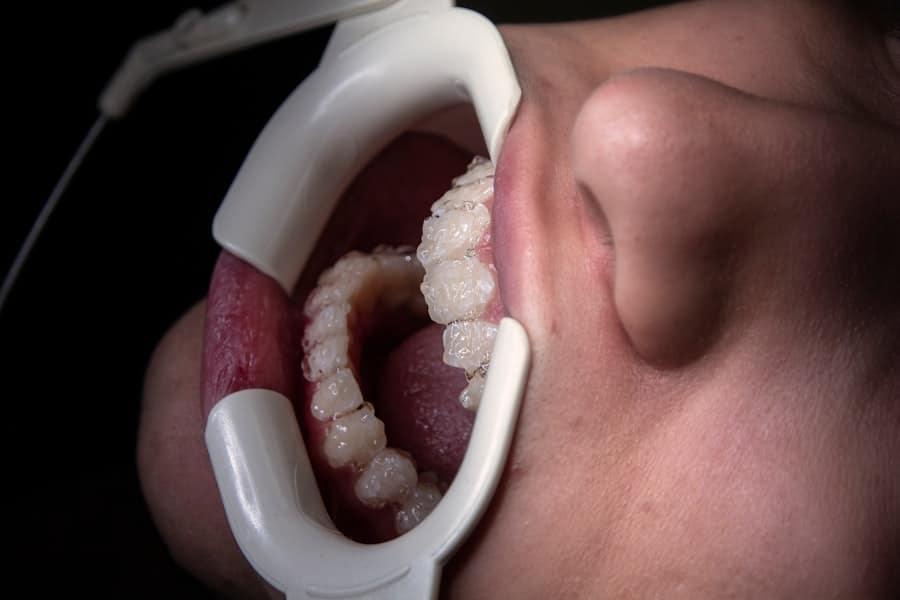
The benefits of gum surgery extend beyond just treating existing issues; they also play a vital role in preventing future complications. One of the primary advantages is the restoration of gum health. By removing infected tissue and bacteria, gum surgery can significantly reduce inflammation and promote healing.
This not only alleviates discomfort but also helps to prevent further damage to your teeth and jawbone. Moreover, undergoing gum surgery can enhance your overall oral hygiene routine. After the procedure, you may find it easier to maintain clean gums and teeth, as reduced pocket depths allow for more effective brushing and flossing.
Additionally, many patients report improved aesthetics following gum surgery, as procedures like grafting can restore a more youthful appearance by covering exposed tooth roots and enhancing the overall smile.
The Procedure of Gum Surgery
The procedure for gum surgery varies depending on the specific type of surgery being performed. Generally, it begins with a thorough examination and consultation with your dental professional. They will assess the extent of your gum disease and determine the most appropriate surgical approach for your situation.
On the day of the procedure, you will typically receive local anesthesia to ensure your comfort throughout the process. During flap surgery, for example, your dentist will make incisions in your gums to lift them away from the teeth. This allows for a detailed cleaning of the tooth roots and surrounding areas.
Once the cleaning is complete, the gums are repositioned and sutured back into place. In cases where grafting is necessary, tissue may be taken from another part of your mouth or a donor source to cover exposed areas. The entire procedure usually takes about one to two hours, depending on its complexity.
Preparing for Gum Surgery
Preparing for gum surgery involves several important steps to ensure a smooth experience and optimal recovery. First and foremost, it’s essential to have an open dialogue with your dental professional about any medications you are currently taking or any medical conditions you may have. Certain medications, particularly blood thinners, may need to be adjusted prior to surgery to minimize risks during the procedure.
Additionally, you should plan for your recovery period by arranging for someone to drive you home after the surgery, especially if sedation is used. It’s also wise to stock up on soft foods and over-the-counter pain relief medications in advance so that you can focus on healing without needing to run errands immediately after the procedure. Following any pre-operative instructions provided by your dentist will help set you up for success.
What to Expect During and After Gum Surgery
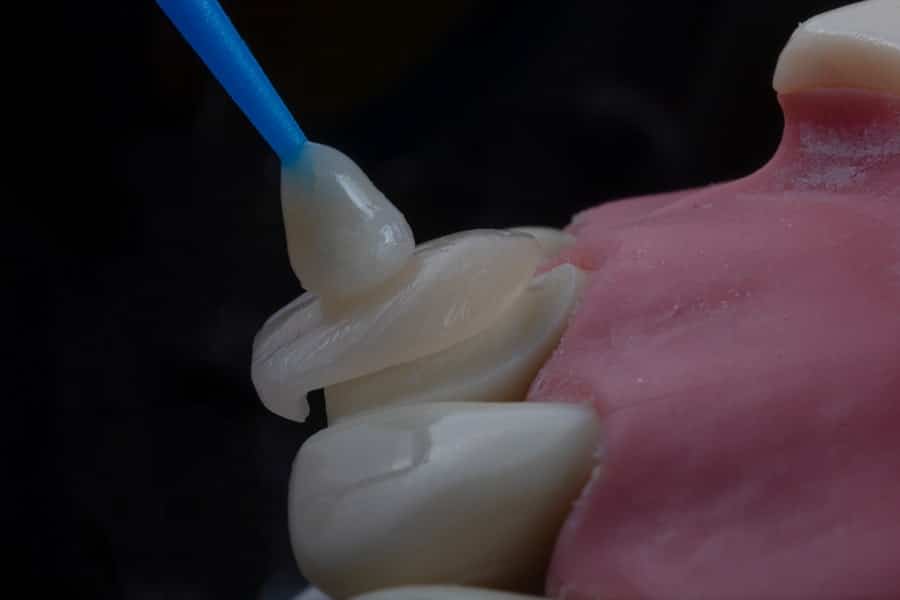
During gum surgery, you can expect a controlled environment where your comfort is prioritized. The local anesthesia will numb the area being treated, allowing you to remain relaxed throughout the procedure. While you may feel some pressure or movement in your mouth, pain should be minimal due to the anesthesia.
Your dental team will monitor you closely to ensure everything goes smoothly. After the surgery, it’s normal to experience some swelling and discomfort as your body begins to heal. Your dentist will provide specific aftercare instructions, which may include recommendations for pain management and dietary restrictions.
You might be advised to stick to soft foods for a few days and avoid strenuous activities that could disrupt healing. It’s essential to follow these guidelines closely to promote optimal recovery and minimize complications.
Risks and Complications of Gum Surgery
While gum surgery is generally safe and effective, like any medical procedure, it does carry some risks and potential complications. One common concern is infection at the surgical site, which can occur if proper aftercare instructions are not followed. Additionally, some patients may experience excessive bleeding or prolonged swelling following the procedure.
It’s crucial to communicate any unusual symptoms to your dentist promptly. Another potential risk is the possibility of graft failure in cases where tissue grafting is performed. This can happen if the graft does not properly integrate with the surrounding tissue or if there is insufficient blood supply to the area.
However, with proper planning and care from a qualified dental professional, these risks can be minimized significantly.
Recovery and Aftercare for Gum Surgery
Recovery from gum surgery typically involves a few days of rest and careful attention to aftercare instructions provided by your dentist. You may be advised to apply ice packs to reduce swelling during the first 24 hours post-surgery. Pain management is also an essential aspect of recovery; over-the-counter pain relievers or prescribed medications can help alleviate discomfort as needed.
Maintaining good oral hygiene during recovery is crucial but should be approached with caution. Your dentist may recommend avoiding brushing directly on the surgical site for a few days while still encouraging gentle rinsing with saltwater solutions to keep the area clean. Following these aftercare guidelines will help ensure a smooth recovery process and promote healing.
Alternative Treatments to Gum Surgery
If you’re hesitant about undergoing gum surgery or if your condition is not severe enough to warrant surgical intervention, there are alternative treatments available that may help improve your gum health. Non-surgical options include scaling and root planing, which involves deep cleaning below the gum line to remove plaque and tartar buildup. This treatment can effectively reduce pocket depths and promote healing in milder cases of gum disease.
Additionally, laser therapy has emerged as a less invasive option for treating periodontal disease. This technique uses focused light energy to target infected tissue while minimizing damage to surrounding areas. While these alternatives may not be suitable for everyone, discussing them with your dental professional can help you explore all available options before making a decision.
Finding the Right Gum Surgery Specialist in Killearn Estates
When it comes to finding a qualified gum surgery specialist in Killearn Estates, conducting thorough research is essential. Start by seeking recommendations from friends or family members who have had similar procedures done. Online reviews can also provide valuable insights into patient experiences with various dental professionals in your area.
Once you have a list of potential specialists, schedule consultations with them to discuss your specific needs and concerns. During these meetings, pay attention to their communication style and willingness to answer questions thoroughly. A good specialist will take the time to explain procedures clearly and help you feel comfortable with your treatment plan.
Cost and Insurance Coverage for Gum Surgery
The cost of gum surgery can vary widely based on several factors, including the type of procedure performed and your geographical location. On average, patients can expect to pay anywhere from $1,000 to $3,000 for gum surgery; however, this figure can fluctuate based on individual circumstances. Insurance coverage for gum surgery often depends on whether it is deemed medically necessary or purely cosmetic.
Many dental insurance plans provide partial coverage for periodontal procedures if they are performed due to diagnosed gum disease. It’s advisable to contact your insurance provider ahead of time to understand what costs will be covered and what out-of-pocket expenses you may incur. In conclusion, understanding gum surgery—its necessity, benefits, procedures, preparation, recovery process, risks, alternatives, specialists in Killearn Estates, and associated costs—can empower you in making informed decisions about your oral health care journey.
By staying proactive about your dental health and seeking timely treatment when needed, you can maintain a healthy smile for years to come.
If you’re considering gum surgery in Killearn Estates, it’s essential to understand the various cosmetic dental procedures available to enhance your smile. For those interested in exploring options beyond gum surgery, you might find it helpful to read about the services offered by cosmetic dentists in different regions. For instance, the article on cosmetic dentistry in Fountain Valley, California provides insights into advanced dental techniques and treatments that can complement gum surgery, ensuring a comprehensive approach to oral health and aesthetics.
FAQs
What is gum surgery?
Gum surgery, also known as periodontal surgery, is a dental procedure used to treat various gum diseases and conditions. It may involve removing diseased tissue, reshaping the gums, or repairing damaged bone.
Why might someone need gum surgery?
Gum surgery may be necessary to treat advanced gum disease, repair gum recession, remove tumors or cysts in the gums, or to reshape the gums for cosmetic reasons.
What are the common types of gum surgery?
Common types of gum surgery include gingivectomy (removing excess gum tissue), gum grafts (replacing lost gum tissue), flap surgery (cleaning the roots of teeth), and bone grafting (rebuilding damaged bone).
What is the recovery process like after gum surgery?
Recovery from gum surgery can vary depending on the type of procedure performed. Patients may experience some discomfort, swelling, and bleeding immediately after surgery. It’s important to follow post-operative care instructions provided by the dentist or periodontist.
How can I find a qualified periodontist for gum surgery in Killearn Estates?
To find a qualified periodontist for gum surgery in Killearn Estates, you can ask for recommendations from your regular dentist, check online reviews, and verify the credentials of potential periodontists through professional organizations such as the American Academy of Periodontology.


