
Have you ever wondered how long composite veneers last? If so, you’re not alone. Composite veneers, a popular dental treatment for enhancing the appearance of teeth, are known for their durability and natural-looking results. However, it’s essential to understand how long these veneers can truly last before needing any replacements. In this article, we will explore the lifespan of composite veneers, factors that can affect their longevity, and helpful tips for maintaining their pristine condition. So, if you’re curious about how long your composite veneers will stay beautiful, read on to find out more!
Factors Affecting the Lifespan of Composite Veneers
Composite veneers are a popular choice for improving the appearance of your teeth, providing a natural and attractive smile. However, it’s important to understand that the lifespan of composite veneers can be influenced by several factors. By taking these factors into consideration and adopting good oral care habits, you can ensure that your veneers last as long as possible, giving you a beautiful smile for years to come.
Quality of Material
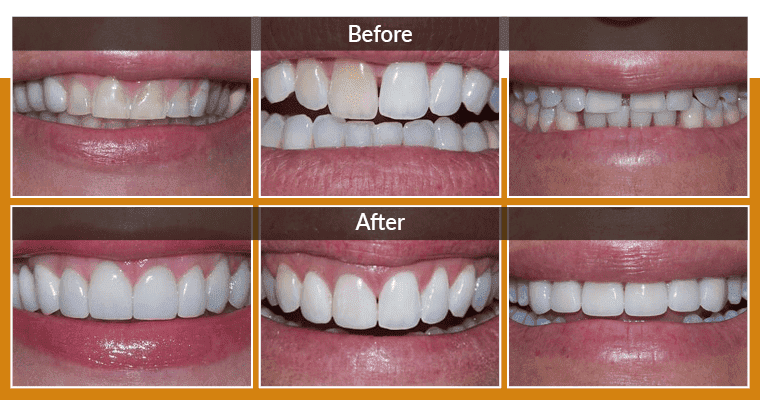
The quality of the material used for your composite veneers plays a significant role in determining their lifespan. Composite veneers are made from a mixture of resin and other materials, and the quality of these materials can vary. It’s important to choose a reputable dentist who uses high-quality composite veneer materials to ensure durability and longevity. Investing in higher quality materials may initially cost more, but it can save you money and hassle in the long run by reducing the need for replacements or repairs.
Advancements in material technology have also contributed to the longevity of composite veneers. Newer materials have improved strength, resistance to stains, and better aesthetic qualities, ensuring that your veneers maintain their appearance and functionality for a longer time.
Dental Hygiene
Maintaining good dental hygiene is crucial not only for the health of your natural teeth but also for the lifespan of your composite veneers. Regular brushing and flossing help prevent the buildup of plaque and bacteria, which can degrade the composite material over time. It’s essential to use effective brushing techniques, brushing all surfaces of your teeth, including the veneers, to remove plaque effectively.
In addition to brushing, regular flossing is necessary to clean between your teeth and remove plaque and food particles that can accumulate around the veneers. Using antimicrobial mouthwash can also provide an extra level of protection against harmful bacteria.
It’s important to avoid using harsh abrasives when cleaning your veneers, as they can damage the composite material’s surface. Instead, opt for a soft-bristled toothbrush and non-abrasive toothpaste recommended by your dentist.
Regular dental cleanings are vital for both your natural teeth and your veneers. Professional cleanings can reach areas that may be difficult to clean at home, ensuring that your veneers stay in good condition. Poor oral hygiene can lead to problems such as cavities and gum disease, which can negatively impact the lifespan of your veneers.
Biting and Chewing Habits
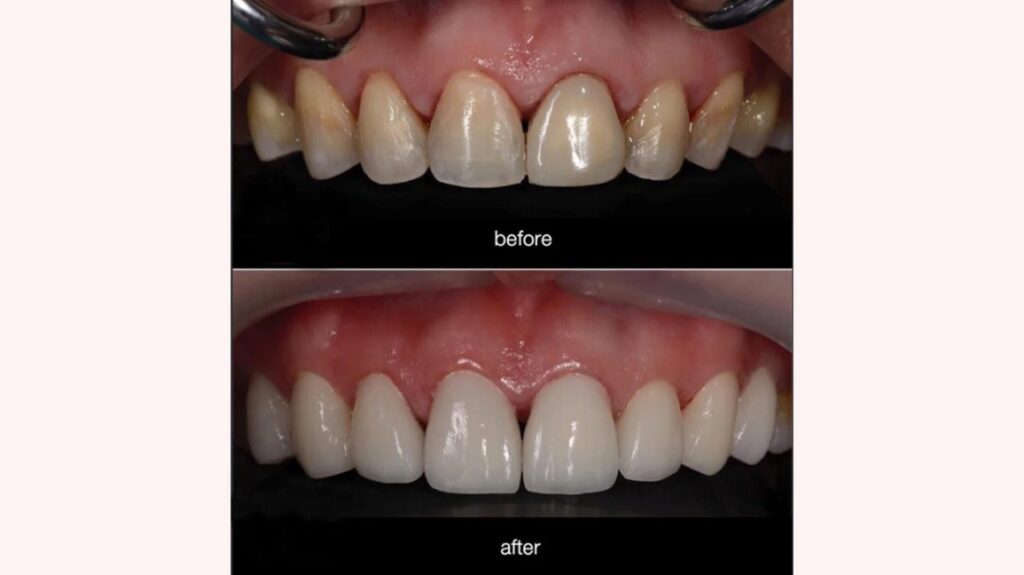
The way you bite and chew your food can affect the lifespan of your composite veneers. Excessive force while biting or chewing can put stress on the veneers and lead to fractures or chipping. It’s important to be mindful of your biting habits and try to avoid using excessive force. If you have a tendency to clench or grind your teeth, using a mouthguard can help protect both your natural teeth and your veneers.
Proper bite alignment is also crucial for the longevity of your veneers. If your teeth are misaligned, it can cause uneven pressure distribution, leading to premature wear and tear on the veneers. Consulting with your dentist to ensure proper bite alignment can help prevent such issues.
Bruxism (Teeth Grinding)
Bruxism, or teeth grinding, is a common condition that can significantly impact the lifespan of your composite veneers. The constant grinding and clenching can wear down the veneers, making them more prone to chipping or cracking. It’s crucial to address bruxism to prevent further damage.
If you suspect that you grind your teeth, consult your dentist. They can recommend various management strategies, such as wearing a nightguard while sleeping, to protect your veneers and natural teeth from the effects of bruxism.
Oral Health Conditions
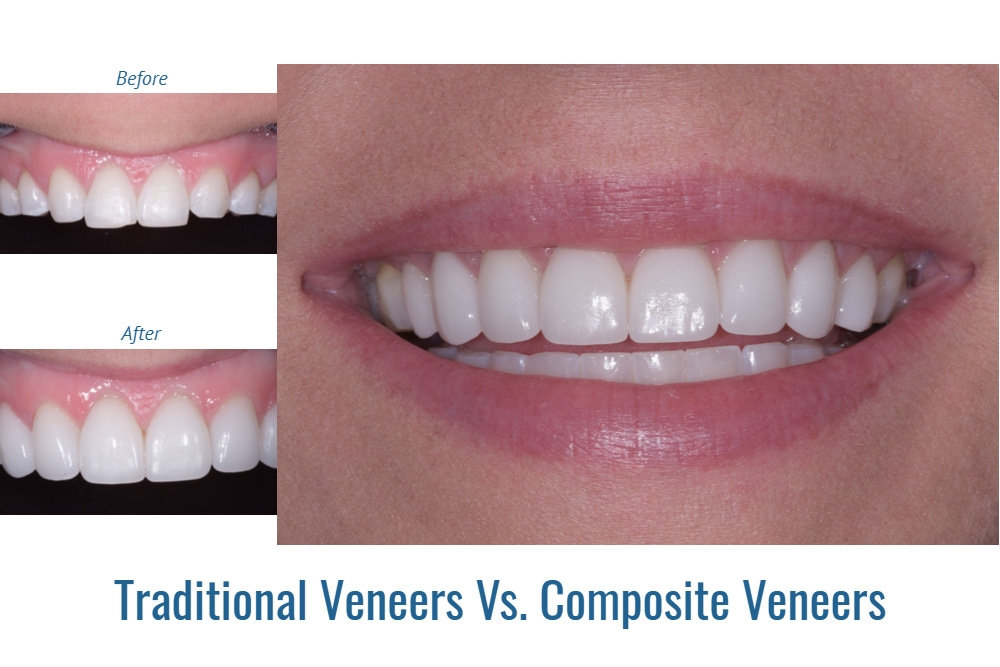
Maintaining good oral health is essential not just for your natural teeth but also for the longevity of your composite veneers. Oral health conditions such as gum disease, tooth decay, cavities, and oral infections can all impact the lifespan of your veneers. These conditions can weaken the underlying tooth structure and compromise the adhesive bond between the veneers and your teeth.
It’s important to address any oral health conditions promptly by seeking professional dental care. Regular dental check-ups can help detect and treat any issues before they worsen and lead to potential damage to your veneers.
Smoking and Tobacco Use
Smoking and using tobacco products not only have detrimental effects on your overall health but also on the lifespan of your composite veneers. Tobacco products can stain and discolor the veneers, leading to a less attractive smile. Moreover, smoking and tobacco use can compromise the adhesion between the veneers and your teeth, increasing the risk of veneer detachment.
Quitting smoking or avoiding tobacco use altogether can help maintain the aesthetics and durability of your composite veneers. Your dentist can provide guidance and support if you need assistance in quitting.
Dietary Habits
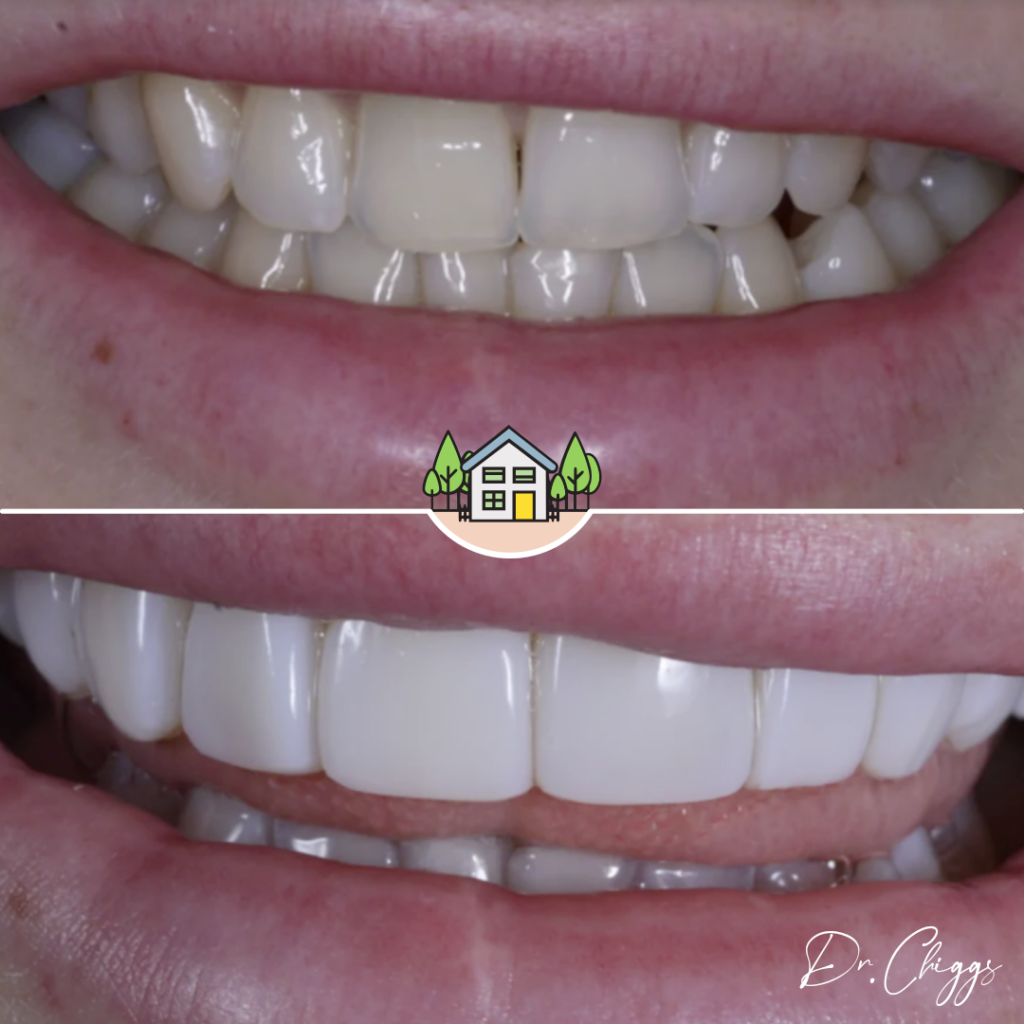
Your dietary habits can also influence the lifespan of your composite veneers. Avoiding hard and sticky foods is essential to prevent damage to the veneers. Biting into hard foods or chewing sticky substances can put excessive pressure on the veneers, causing them to chip or crack.
Reducing the consumption of acidic food and beverages is also crucial. Acidic substances can erode the composite material over time, compromising its integrity and appearance. It’s important to maintain a balanced diet that promotes good oral and overall health.
Regular Dental Check-ups
Regular dental check-ups are vital for maintaining the health and longevity of your composite veneers. Your dentist can assess the condition of your veneers during these visits, identifying any signs of wear, damage, or deterioration. Early detection of problems allows for timely intervention, potentially preventing the need for extensive repairs or replacements.
During dental check-ups, your dentist can also provide professional maintenance and polishing of your veneers, keeping them in optimal condition. They can address any concerns or queries you may have about your veneers, ensuring that you have all the necessary information to care for them properly.
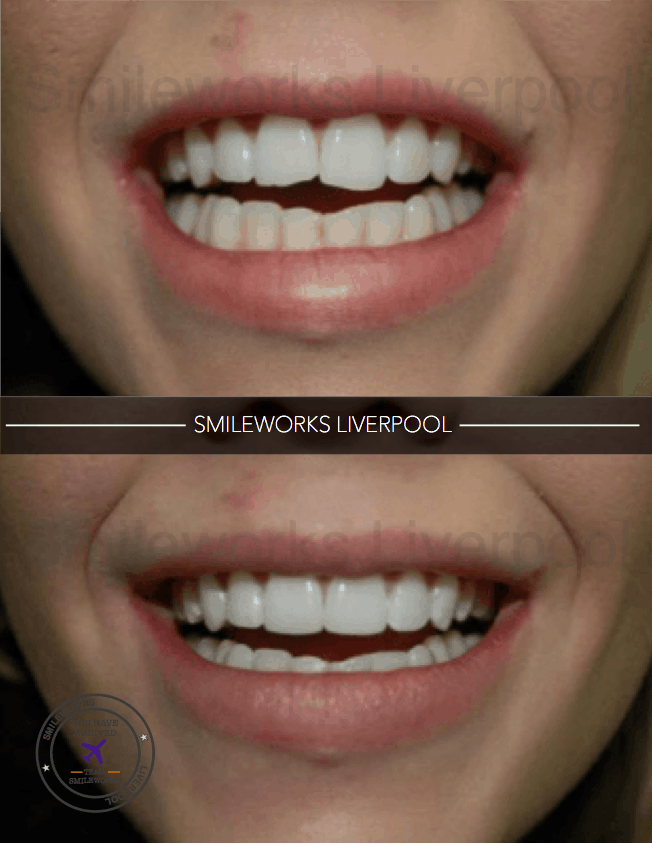
Proper Veneer Maintenance
Proper maintenance of your composite veneers is essential for their longevity. Following the dental hygiene practices mentioned earlier, such as brushing and flossing regularly, using antimicrobial mouthwash, and avoiding harsh abrasives, can help preserve the appearance and functionality of your veneers.
Additionally, it’s important to follow any specific instructions provided by your dentist for the care of your veneers. They may recommend certain products or techniques tailored to your individual needs. It’s crucial to follow their guidance and seek their advice if you have any concerns or questions.
Individual Variations
Individual factors can also affect the lifespan of your composite veneers. Each person may have unique considerations that influence the durability and longevity of their veneers. Factors such as genetics and oral health, age-related changes, and personal habits and lifestyle choices can all have an impact.
Genetics can play a role in determining the strength and durability of your natural teeth and veneers. Some individuals may have genetically weaker tooth structures, making their veneers more susceptible to damage. Age-related changes, such as natural wear and tear on your teeth and changes in oral health, can also affect the lifespan of your veneers.
Personal habits and lifestyle choices, such as practicing good oral hygiene, avoidance of harmful behaviors like smoking, and maintaining a healthy and balanced diet, can all contribute to the longevity of your veneers.
In conclusion, the lifespan of composite veneers can be influenced by various factors. By investing in high-quality materials, maintaining good dental hygiene, practicing proper biting and chewing habits, managing conditions like bruxism, addressing oral health issues promptly, avoiding smoking and tobacco use, adopting a healthy dietary regimen, attending regular dental check-ups, and following proper maintenance techniques, you can help ensure that your veneers last as long as possible. Remember, each person is unique, and factors like genetics, age, and personal habits can also impact the lifespan of your veneers. By taking these factors into consideration, you can enjoy a beautiful smile with your composite veneers for years to come.


