
Have you ever wished for a dazzling Hollywood smile? Look no further because dental veneers might be the answer you’ve been searching for. Dental veneers are a popular cosmetic solution that aims to transform your teeth and give you a picture-perfect smile. These thin, custom-made shells are designed to cover the front surface of your teeth, improving their appearance by changing their shape, size, color, or length. Dental veneers are a versatile and practical option, whether you want to disguise discoloration, correct misalignment, or enhance the overall aesthetics of your teeth. Say goodbye to self-consciousness and hello to confidence with dental veneers.
What are Dental Veneers?
Definition
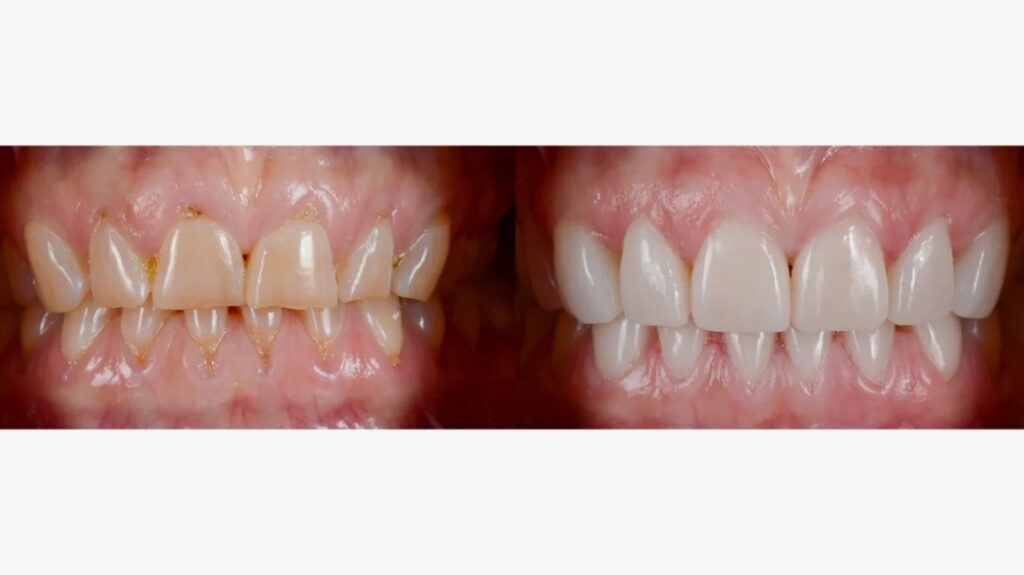
Dental veneers are thin shells made of porcelain or composite resin bonded to the front surface of teeth. They are custom-made to improve the appearance of teeth and enhance smiles. Veneers can help correct chipped, stained, misaligned, or irregularly shaped teeth, giving you a natural-looking and attractive smile.
Types of Dental Veneers
There are two main types of dental veneers: porcelain veneers and composite veneers.
Porcelain veneers: These are the most common types of veneers, known for their durability and natural appearance. They are custom-made in a dental laboratory based on impressions of your teeth. They are then bonded to the front surface of your teeth using dental adhesive. Porcelain veneers are stain-resistant and can last for many years with proper care.
Composite veneers: Unlike porcelain veneers, composite veneers are made directly on your teeth using a tooth-colored resin material. Your dentist applies and shapes them in a single visit. While composite veneers are more affordable, they are less durable than porcelain veneers and may require frequent maintenance or replacement.
Benefits of Dental Veneers
Improved Appearance
One of the main benefits of dental veneers is that they can significantly enhance the appearance of your smile. Veneers can improve teeth’ color, shape, size, and alignment. Veneers offer a great solution if you have stained or discolored teeth that cannot be effectively treated with teeth whitening. They can also help correct minor gaps, chips, or irregularities in your teeth, giving you a more symmetrical and attractive smile.
Long-lasting Results
With proper care and maintenance, dental veneers can last for many years. Porcelain veneers, in particular, are known for their durability and staining resistance. By following good oral hygiene practices and visiting your dentist regularly, you can maximize the longevity of your veneers and enjoy the benefits of an improved smile for a long time.
Minimally Invasive
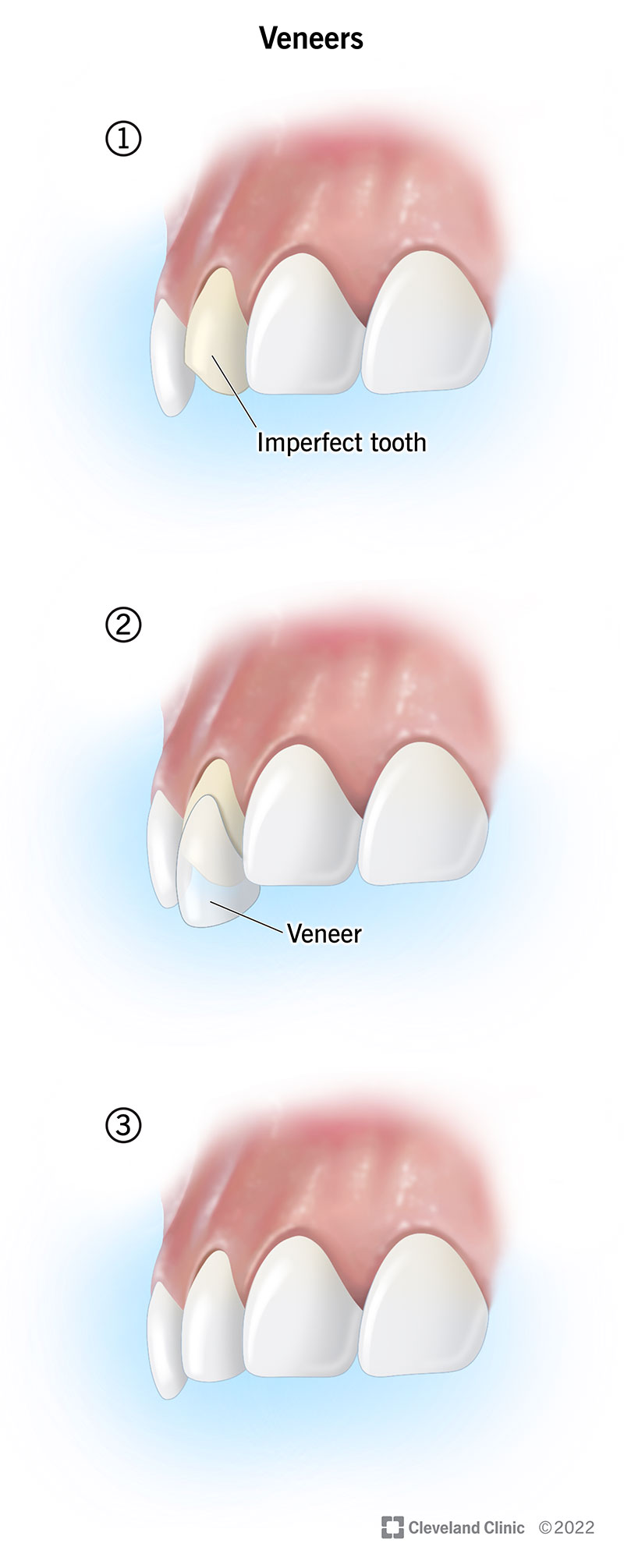
Unlike other dental procedures, getting veneers is relatively minimally invasive. The process involves removing a thin layer of enamel from the front surface of your teeth to make room for the veneers. This process, known as tooth preparation, is painless and requires only local anesthesia. Compared to other more extensive dental treatments, such as dental crowns or braces, veneers offer a conservative and efficient way to enhance your smile.
Stain Resistance
Another advantage of dental veneers, especially porcelain veneers, is their staining resistance. Enjoy your favorite food and drinks without worrying about discoloration or staining your veneers. However, to maximize the longevity and appearance of your veneers, it is still essential to maintain good oral hygiene habits and avoid excessive consumption of highly pigmented food and beverages.
Factors to Consider Before Getting Dental Veneers
Eligibility
Only some people are eligible for dental veneers, and you must consult with your dentist to determine if they are the right option for you. Generally, good oral health, sufficient tooth enamel, and stable gum health make veneers suitable candidates. If you have severe tooth decay, gum disease, or bite issues, your dentist may recommend addressing these problems before considering veneers.
Preparation Process
Before getting dental veneers, your dentist will prepare your teeth by removing a thin enamel layer from the front surface. This step is necessary to ensure proper adhesion and a natural-looking result. Although this process is typically painless, you may experience temporary sensitivity or discomfort.
Costs
The cost of dental veneers can vary depending on several factors, including the number of veneers needed, the type of material used, the location of the dental practice, and the dentist’s expertise. It’s important to discuss the cost and payment options with your dentist beforehand to determine if veneers fit your budget. Dental insurance may not cover the cost of veneers as they are considered a cosmetic procedure, but it’s worth checking with your provider.
Maintenance
Maintaining good oral hygiene practices is essential for the longevity and appearance of your veneers. Brushing your teeth twice daily, flossing daily, and using an antibacterial mouthwash can help prevent plaque build-up and gum disease. It is also advisable to avoid biting or chewing on complex objects, such as ice or pens, as this can damage your veneers. Additionally, regular dental check-ups are essential for monitoring the condition of your veneers and ensuring optimal oral health.
Procedure for Dental Veneers
Consultation and Examination
The first step in getting dental veneers is to schedule a consultation with your dentist. During this visit, your dentist will examine your teeth, discuss your treatment goals, and determine if you are a suitable candidate for veneers. They will also explain the procedure and answer any questions or concerns.
Preparation of Teeth
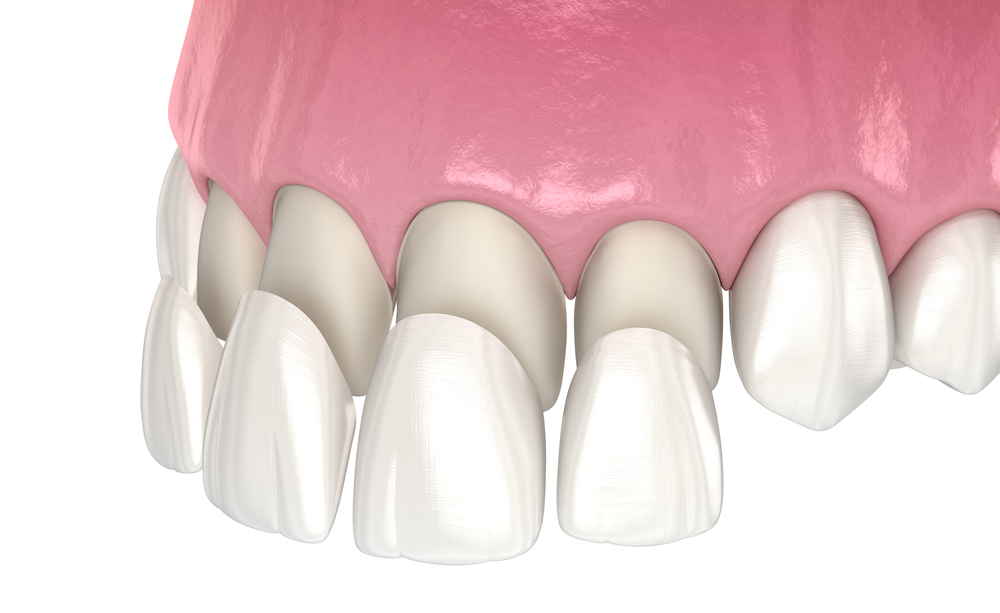
Once you proceed with veneers, your dentist will prepare your teeth for the placement. This involves removing a thin layer of enamel from the front surface of your teeth to create space for the veneers. Your dentist will then take impressions of your teeth, which will be sent to a dental laboratory to fabricate your custom-made veneers. The veneers’ color, shape, and size will be chosen to match your natural teeth and complement your overall smile.
Impression and Temporary Veneers
While your permanent veneers are being created, your dentist may place temporary veneers on your prepared teeth to protect them and maintain the aesthetics of your smile. These temporary veneers are usually made of composite resin and are less durable than the final veneers. It is essential to take care of these temporary veneers and avoid biting or chewing on hard foods that could dislodge or damage them.
Fitting and Bonding of Veneers
Once your permanent veneers are ready, you will return to the dental office for the fitting and bonding. Your dentist will remove the temporary veneers and ensure that the permanent veneers fit properly. They will then clean and etch the surface of your teeth to create a rough texture that allows for better adhesion. A dental adhesive will be applied to the veneers and carefully positioned on your teeth. Your dentist will adjust to achieve the desired fit and appearance.
Final Adjustments
Before the procedure, your dentist will make final adjustments to ensure your veneers feel comfortable and natural. They will check your bite alignment and modify it to achieve optimal function. Once everything is in place, your veneers will be polished, and you can enjoy your new and improved smile.
Aftercare for Dental Veneers
Oral Hygiene Practices
Good oral hygiene is crucial to maintaining the longevity and appearance of your dental veneers. Brush your teeth twice daily with a soft-bristle toothbrush and a non-abrasive toothpaste. Floss daily to remove plaque and food particles from between your teeth. Additionally, using an antibacterial mouthwash can help kill bacteria and keep your mouth clean and fresh.
Regular Dental Check-ups
Regular dental check-ups are essential for monitoring the condition of your veneers and maintaining optimal oral health. Your dentist will examine your veneers, clean your teeth, and check for any signs of potential issues. They may also recommend professional teeth cleaning to remove stubborn stains or tartar buildup that cannot be removed with regular brushing and flossing. By visiting your dentist regularly, you can address any concerns quickly and ensure the long-term success of your dental veneers.
Common FAQs about Dental Veneers
How long do dental veneers last?
With proper care and maintenance, dental veneers can last for many years. Porcelain veneers, in particular, are known for their durability and staining resistance. On average, porcelain veneers can last between 10 to 15 years, while composite veneers may have a lifespan of around 5 to 7 years. Regular dental check-ups and good oral hygiene practices can help prolong the lifespan of your veneers.
Will the process be painful?
The process of getting dental veneers is generally smooth. Before the tooth preparation, your dentist will administer local anesthesia to ensure comfort. You may experience temporary sensitivity or discomfort afterward, but this can be managed with over-the-counter pain relievers. Your dentist will guide you on post-procedure care and pain management if needed.
Can veneers be used to fix crooked teeth?
Veneers are primarily used to enhance the aesthetic appearance of teeth rather than to correct severe alignment issues. If you have mild crookedness or gaps, veneers can mask the imperfections and provide the illusion of straighter teeth. However, orthodontic treatments such as braces or aligners may be necessary to achieve the desired results for more significant alignment issues.
Can veneers be whitened?
Unlike natural teeth, veneers cannot be whitened with traditional teeth whitening methods. The porcelain material used in veneers is resistant to stains and retains its color over time. If you are considering whitening your teeth, it would be best to discuss this with your dentist before getting veneers to ensure a consistent and uniform shade.
Are there any alternatives to veneers?
If veneers are unsuitable for you or prefer an alternative treatment, other options are available to enhance your smile. Dental bonding, which involves the application of tooth-colored resin to your teeth, can help correct minor aesthetic flaws. Depending on your specific needs, teeth whitening, orthodontic treatments, or dental crowns may also be recommended. Please consult your dentist to find out the best treatment option.
Cost of Dental Veneers
Factors Affecting the Cost
The cost of dental veneers can vary depending on several factors. The number of veneers needed, the type of material used (porcelain or composite), the case’s complexity, the dental practice’s geographical location, and the dentist’s expertise can all affect the overall cost. Additional dental procedures, such as tooth preparation or gum contouring, may incur additional charges. I would like to discuss the price and payment options during the consultation with your dentist.
Average Costs in Different Countries
The cost of dental veneers can vary significantly from country to country. On average, porcelain veneers in the United States can cost between $800 and $2,500 per tooth, depending on the location and quality of the dental practice. In the United Kingdom, the cost can range from £400 to £1,200 per tooth. Prices in other countries, such as India, Mexico, or Thailand, can be significantly lower, with porcelain veneers starting at $200 per tooth.
Insurance Coverage
Most dental insurance plans consider veneers a cosmetic procedure and do not cover the cost. However, it is advisable to check with your insurance provider to determine if any treatment may be covered. Additionally, some dental practices offer financing options or payment plans to make the cost of veneers more manageable. Please discuss these options with your dentist to find a solution that works for you.
Risks and Limitations of Dental Veneers
Potential Risks
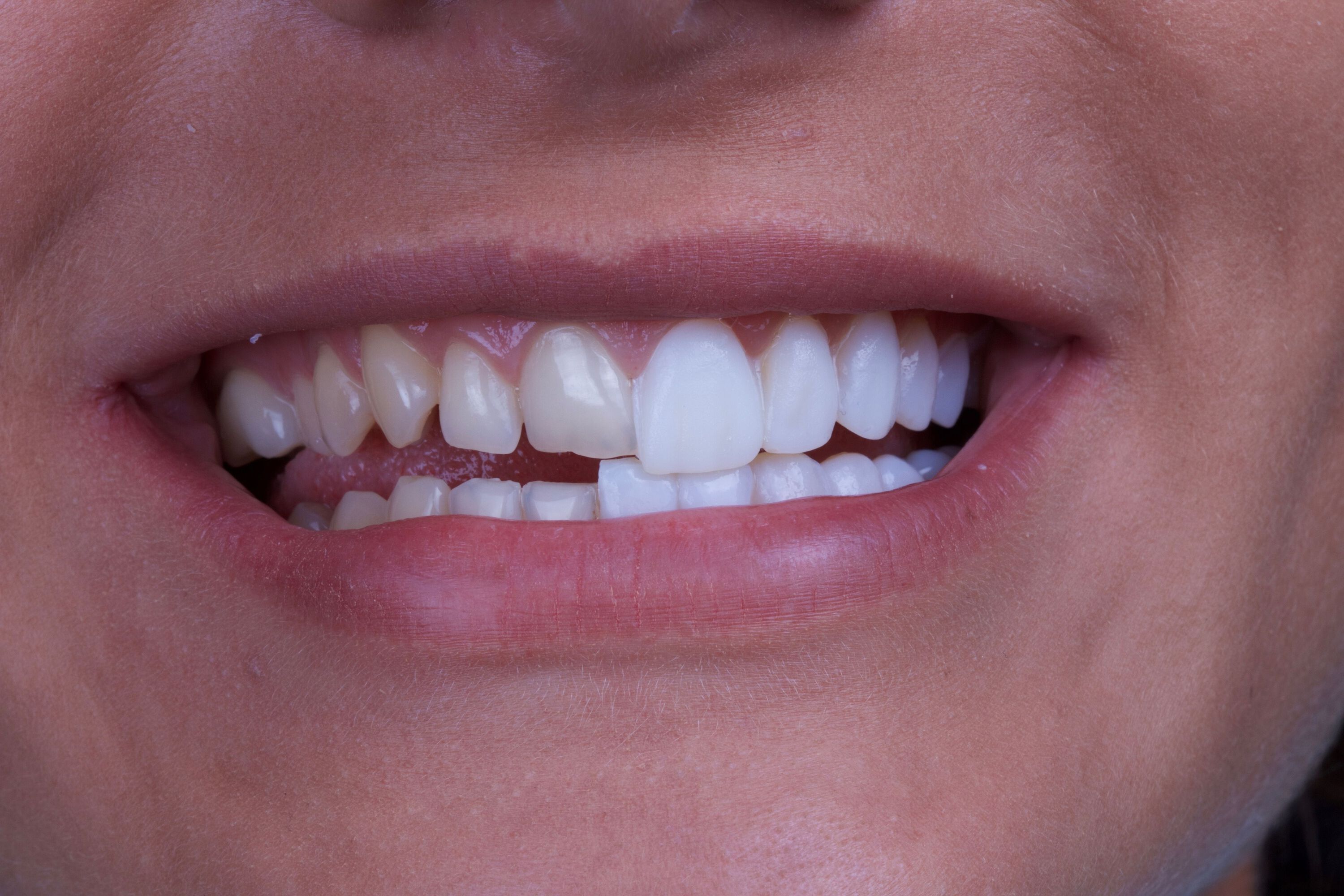
While dental veneers are generally considered safe and have a high success rate, there are still some potential risks associated with the procedure. Tooth sensitivity may occur after the veneers are placed, but this is usually temporary and can be managed with desensitizing toothpaste or other products recommended by your dentist. In rare cases, veneers may chip or crack, requiring replacement. Practicing good oral hygiene and avoiding teeth grinding or biting on complex objects is essential to minimize the risk of damage to your veneers.
Veneer Replacement
Over time, dental veneers may require replacement due to wear and tear or changes in your oral health. Porcelain veneers are known for their durability and can last many years, but they are not indestructible. Composite veneers, being less durable, may need more frequent replacement. Your dentist will monitor the condition of your veneers during regular check-ups and recommend replacement when necessary to maintain the optimal function and appearance of your smile.

Celebrity Smiles and Dental Veneers
Famous Personalities with Dental Veneers
Many celebrities and public figures have turned to dental veneers to improve their smiles. Some notable personalities who have been public about getting veneers include Tom Cruise, Zac Efron, George Clooney, and Miley Cyrus. These individuals have embraced the benefits of veneers to achieve a flawless smile that complements their overall appearance.
How Dental Veneers Enhance Celebrities’ Smiles
Dental veneers have become a popular choice among celebrities for a good reason. Veneers can instantly transform the appearance of their teeth, helping to correct imperfections and achieve a Hollywood-worthy smile. Whether to correct discoloration, close gaps, or create a perfect alignment, veneers provide a natural-looking solution that enhances their overall aesthetic. By improving their smiles, celebrities gain more confidence and are better equipped to face the spotlight with a dazzling and memorable grin.
Conclusion
Dental veneers offer a versatile and effective solution for enhancing the appearance of your smile. With their ability to address various dental concerns, veneers can give you the confidence to show off your teeth and enjoy a more attractive smile. By considering factors such as eligibility, costs, and maintenance, you can decide whether dental veneers are the right choice. Don’t hesitate to schedule a consultation with your dentist to explore the possibilities and discover how dental veneers can improve your smile.
Content 10/10


